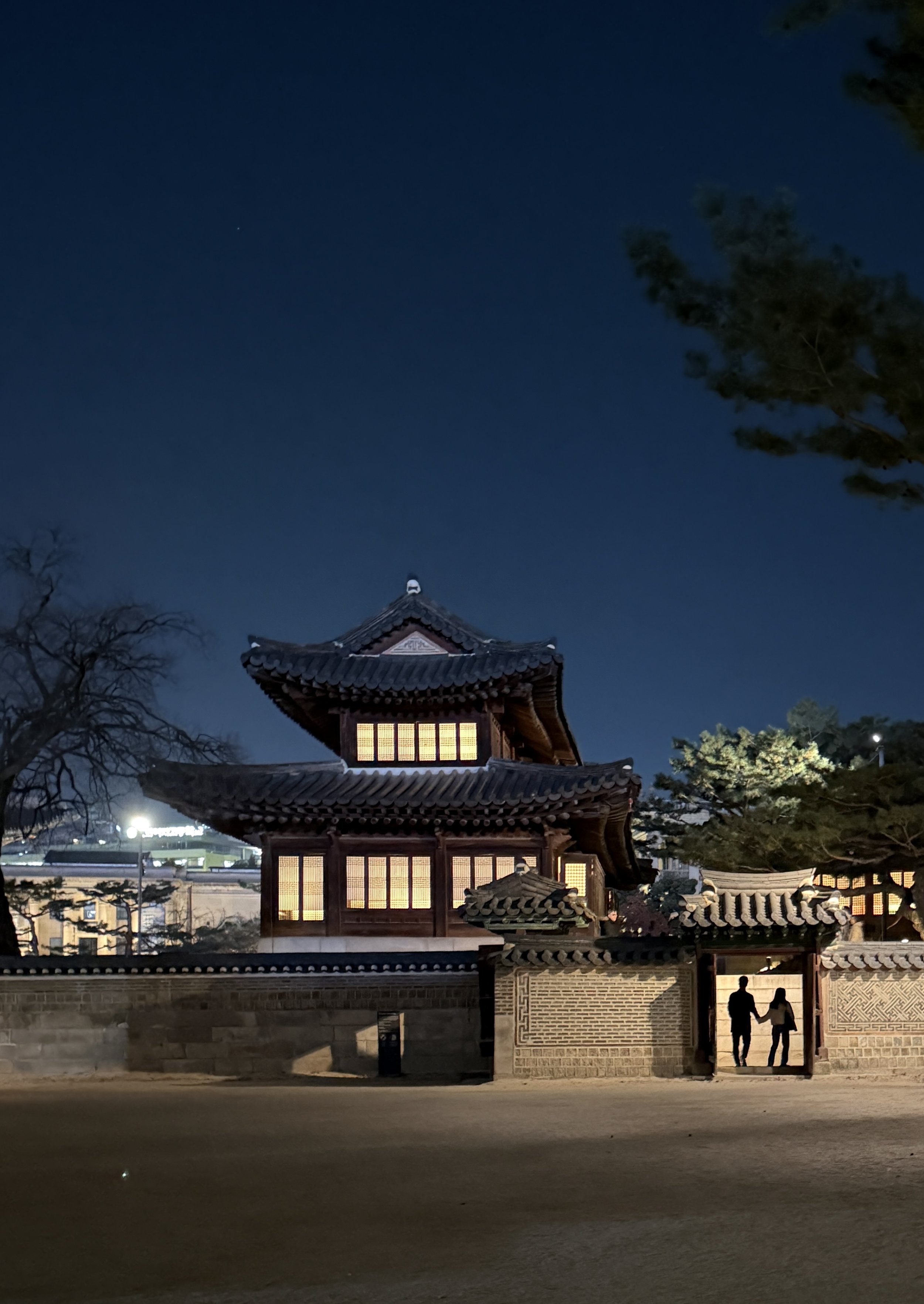
The Five Royal Palaces in South Korea: Seoul Travel Guide
When people think of South Korea, modern skyscrapers, neon-lit streets, and trendy K-dramas often come to mind. But nestled among Seoul’s bustling cityscape lies a different story - the grand legacy of Korea’s Joseon Dynasty. The five royal palaces of Seoul are cultural gems where you can step back in time, admire traditional Korean architecture, and learn about the royal family who shaped Korea’s history for over 500 years.
Whether you’re a history buff, a photographer, or simply curious about Korean culture, visiting the palaces is a must-do during your trip to Seoul. Here’s a guide to all five royal palaces in South Korea and what makes each one worth visiting.
Gyeongbokgung (경복궁): Primary Palace of the Joseon dynasty
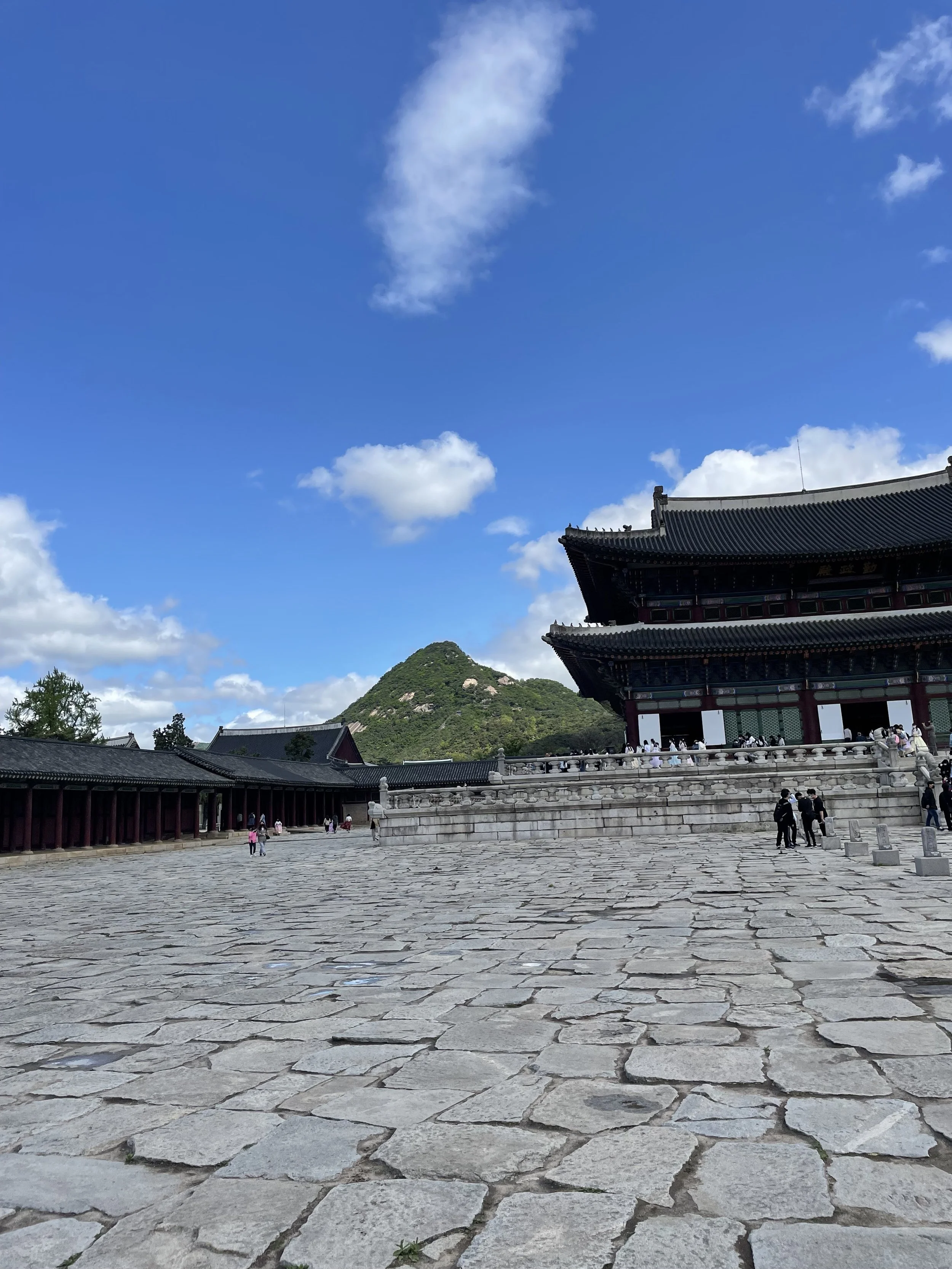
As the main palace of the Joseon Dynasty, Gyeongbokgung Palace was designed to represent royal authority and national identity. Built in 1395, it is the largest of Seoul’s five royal palaces and remains the city’s most iconic landmark.
The palace’s name translates to “Palace Greatly Blessed by Heaven,” and its grand scale reflects its historical importance. Highlights include expansive courtyards backed by mountain views and the popular changing of the guard ceremony held at the main gate twice daily. Within the grounds, you’ll also find the National Palace Museum of Korea and the National Folk Museum, making this a full cultural experience in one visit.
Tip: The Gyeongbokgung changing of the guard ceremony is one of the most popular cultural performances in Seoul and offers an easy way to experience royal tradition without a guided tour. The ceremony lasts about 20 minutes and takes place daily at 10:00am and 2:00pm.
Changdeokgung (창덕궁): UNESCO World Heritage Site
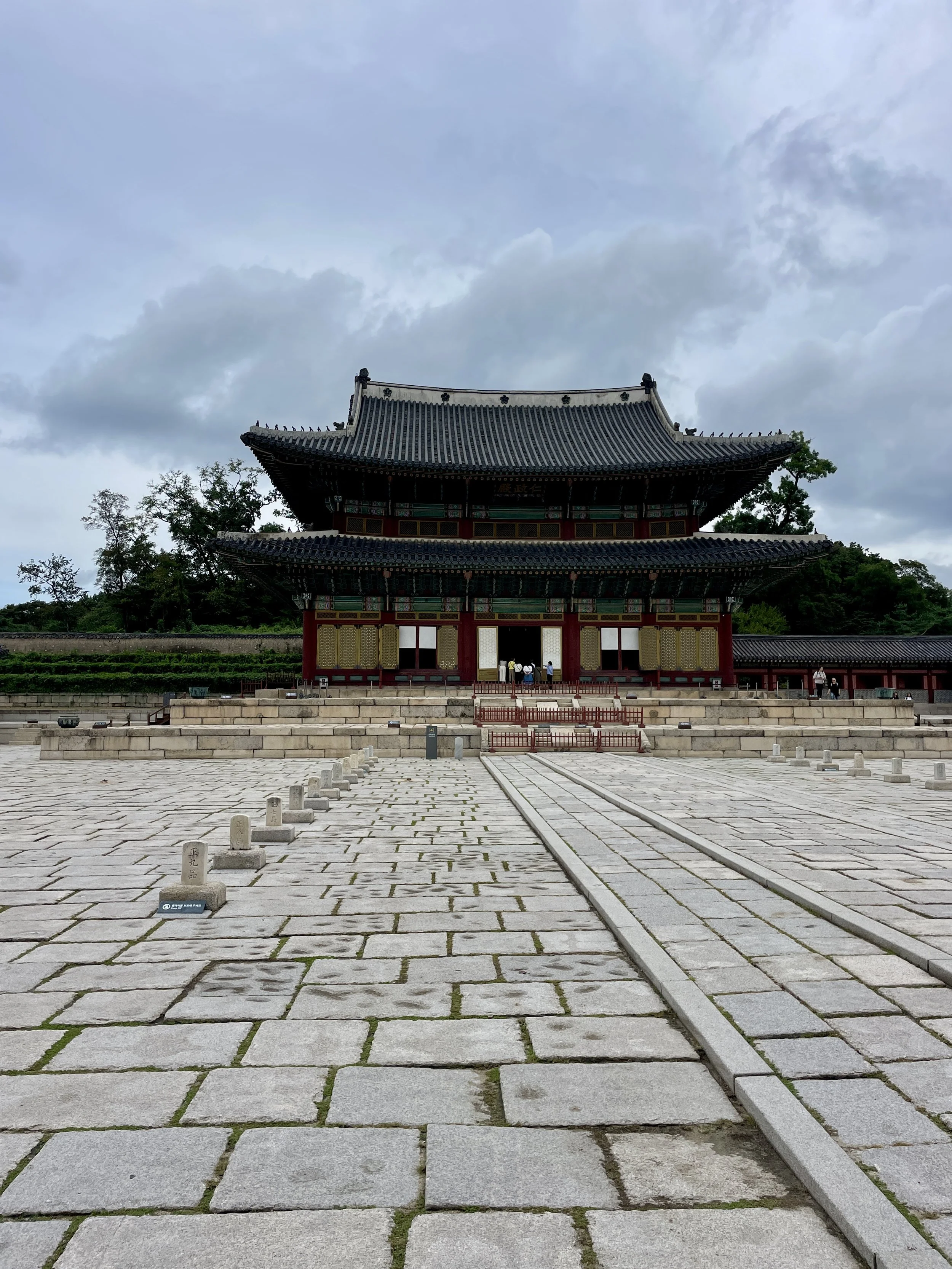
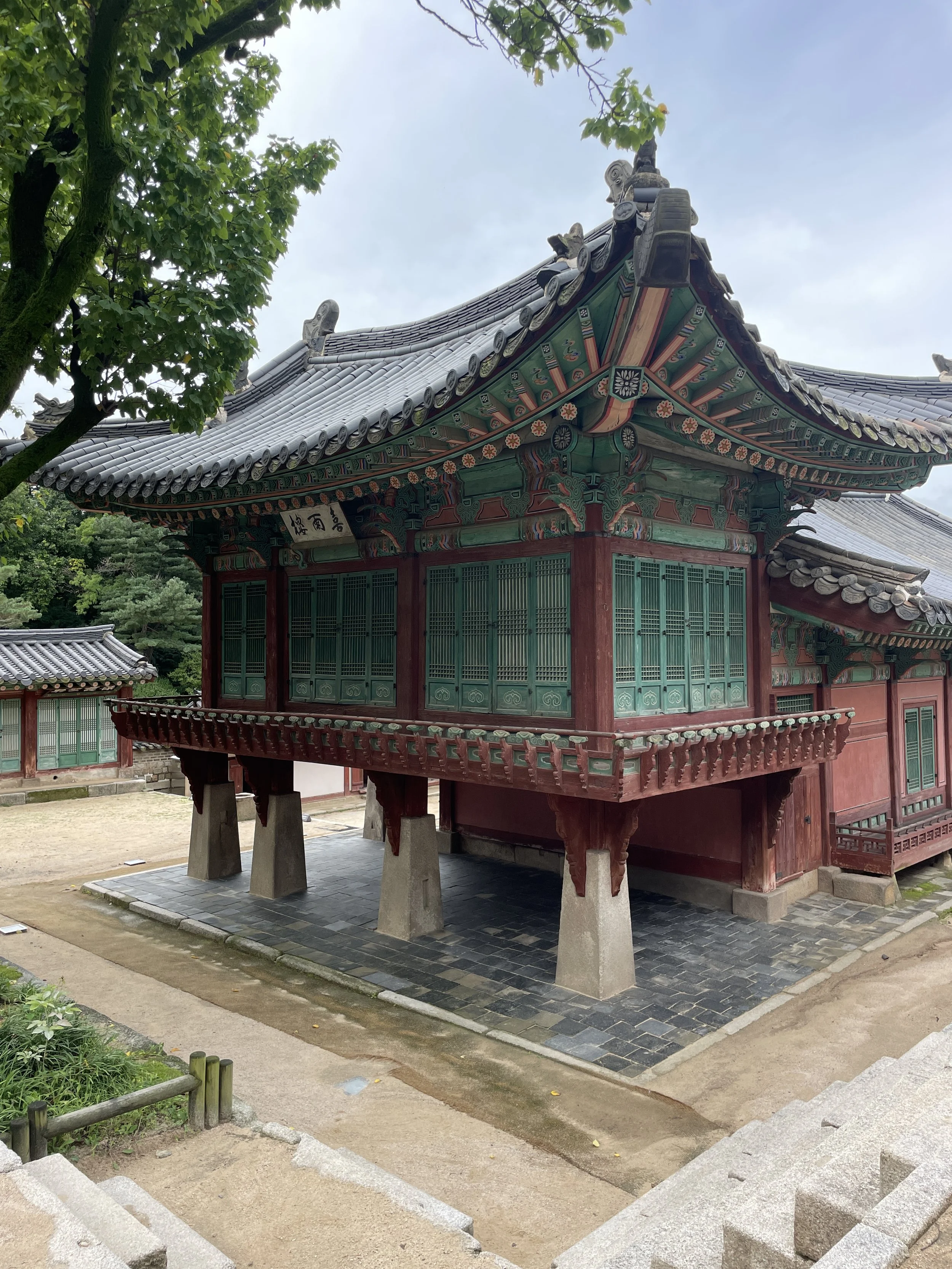
Designated a UNESCO World Heritage Site, Changdeokgung Palace is best known for its harmonious integration of architecture and nature. Rather than imposing grandeur, the palace follows the natural contours of the land, creating a calmer, more organic atmosphere.
When comparing Changdeokgung vs. Gyeongbokgung, many travelers prefer Changdeokgung for its quieter feel and stronger connection to nature. Its standout feature is the Huwon (Secret Garden)—a tranquil space filled with ponds, pavilions, and centuries-old trees. While access to the garden requires a separate ticket and timed entry, it’s widely considered one of the most serene places in Seoul.
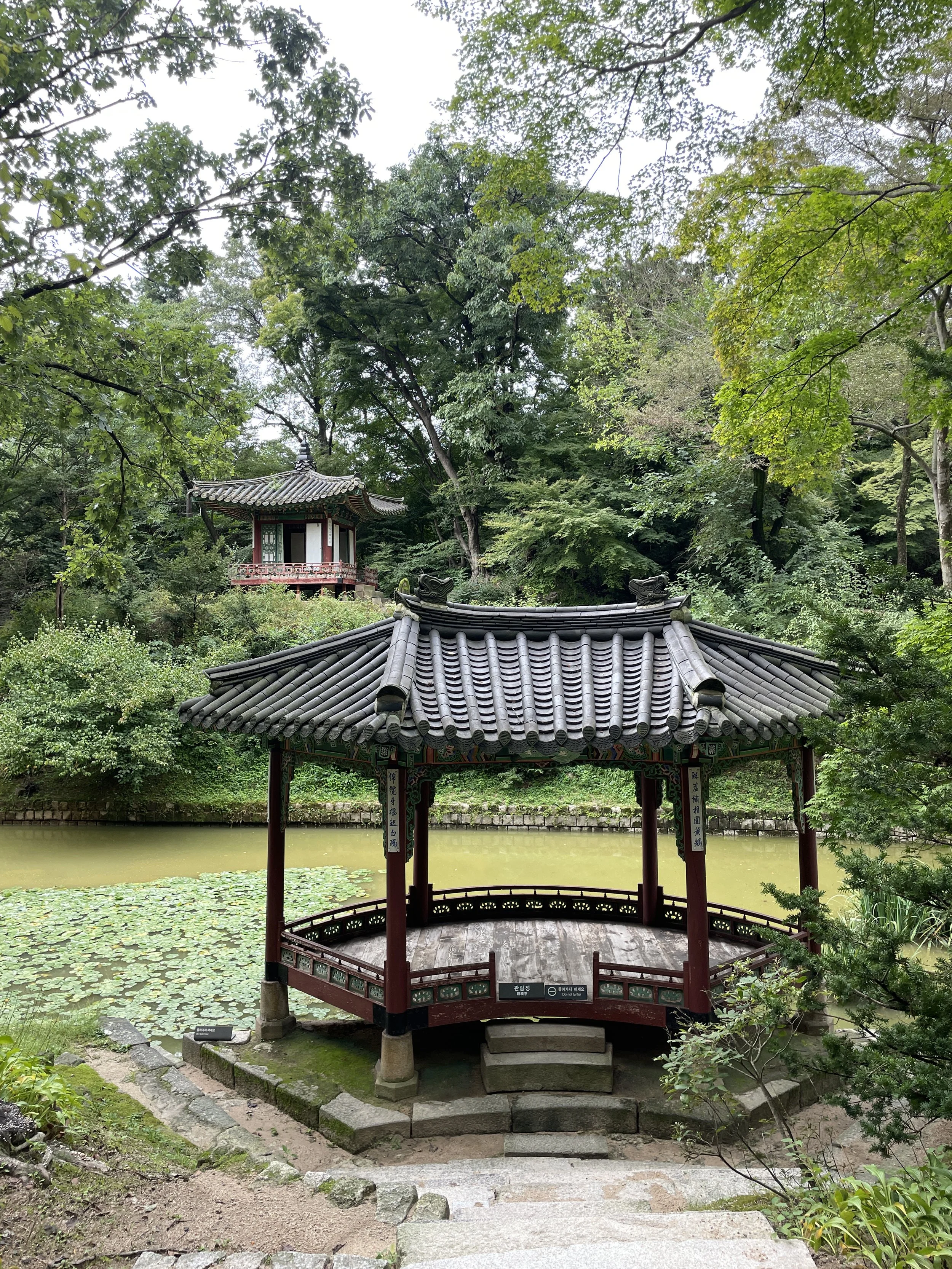
I’ve written a full, section-by-section walk-through of the Secret Garden if you want a deeper look at what you’ll actually see once inside.
Changgyeonggung (창경궁): Residence of Joseon’s Royal Court
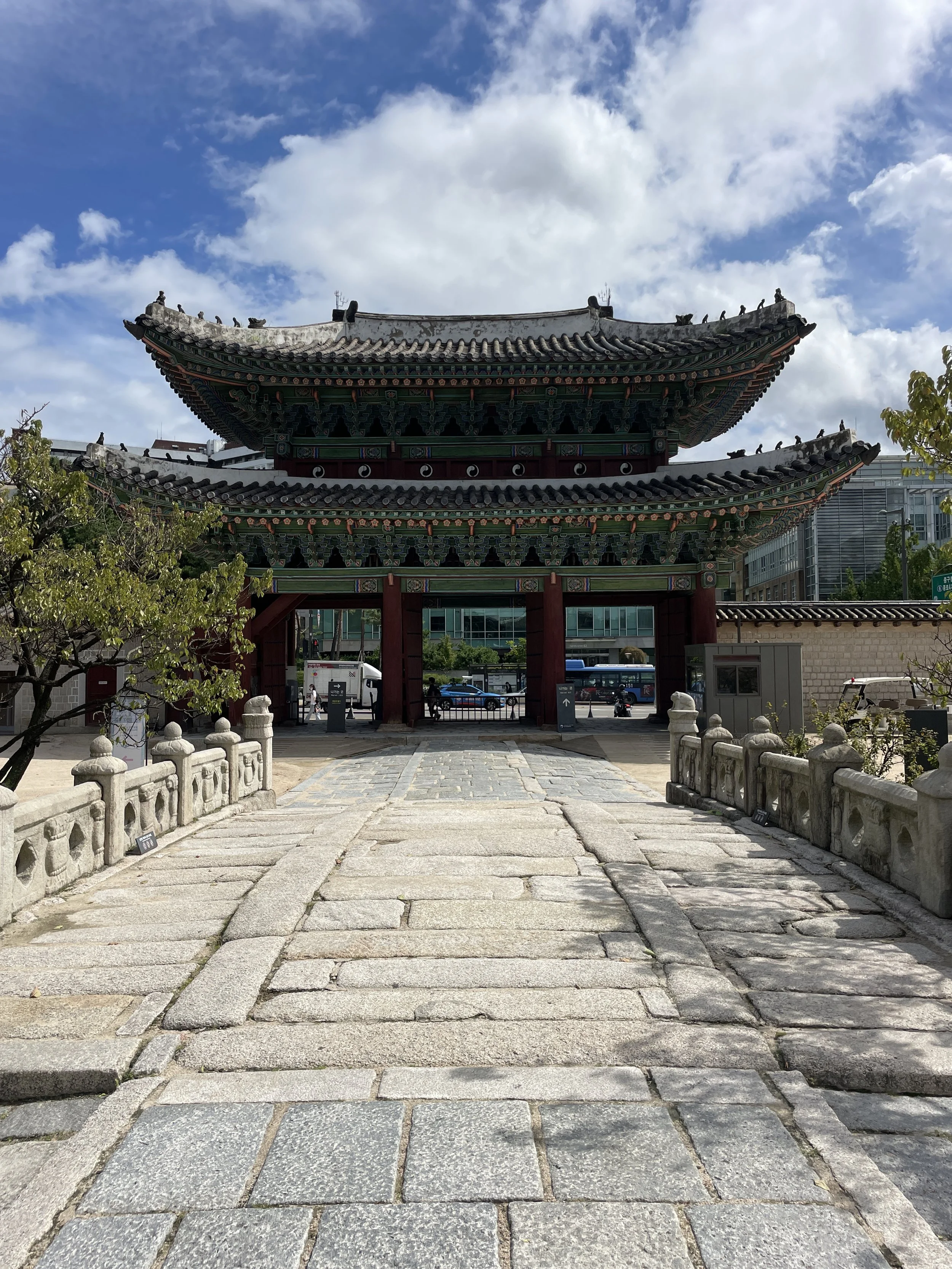
Originally built as a residential palace for queens and concubines, Changgyeonggung Palace offers insight into the more personal side of royal life. During Japanese colonial rule, the palace was controversially converted into a zoo and botanical garden—a period that significantly altered its identity. Thankfully, it has since been restored, with features like its historic greenhouse now highlighting its recovery.
Today, Changgyeonggung is noticeably less crowded than its neighboring palaces, making it ideal for a slower, more relaxed visit. In spring, it’s also one of the most popular places in Seoul to see cherry blossoms.
Connected to the rear of Changdeokgung near the Secret Garden, Changgyeonggung is easy to combine with a visit to Changdeokgung and is one of the best lesser-known palaces in Seoul for travelers who want to avoid crowds.
Click here for the Naver pin to Changgyeonggung Ticket Office
Deoksugung (덕수궁): Where Tradition Meets Modernity
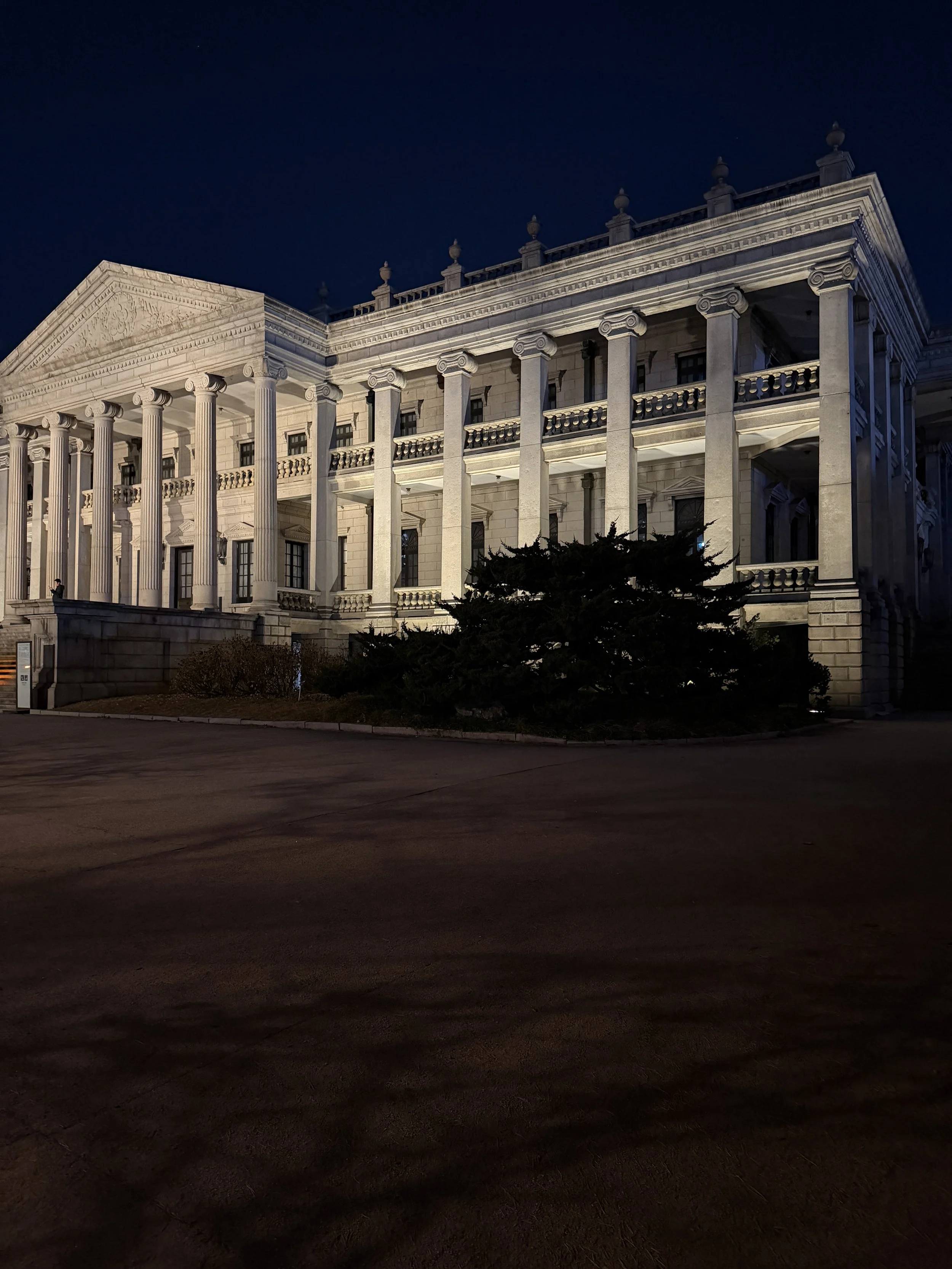
Deoksugung Palace began not as a royal palace, but as the private residence of Grand Prince Wolsan, the older brother of King Seongjong. Located near Seoul City Hall, it later evolved into a royal complex reflecting Korea’s transitional period as Western influence entered the late Joseon era.
The palace is notable for its rare blend of traditional Korean and Western-style architecture. One of its most striking structures is Seokjojeon Hall, a neoclassical building completed in 1910 and once used for diplomatic meetings and foreign affairs. Deoksugung is also famous for its stone wall road—a romantic walking path featured in countless K-dramas.
The palace is especially beautiful in the evening when it’s softly illuminated, making it a great stop after dinner. A night visit offers a completely different atmosphere, with fewer crowds and dramatic lighting.
Gyeonghuigung (경희궁): Quiet and Cozy Palace
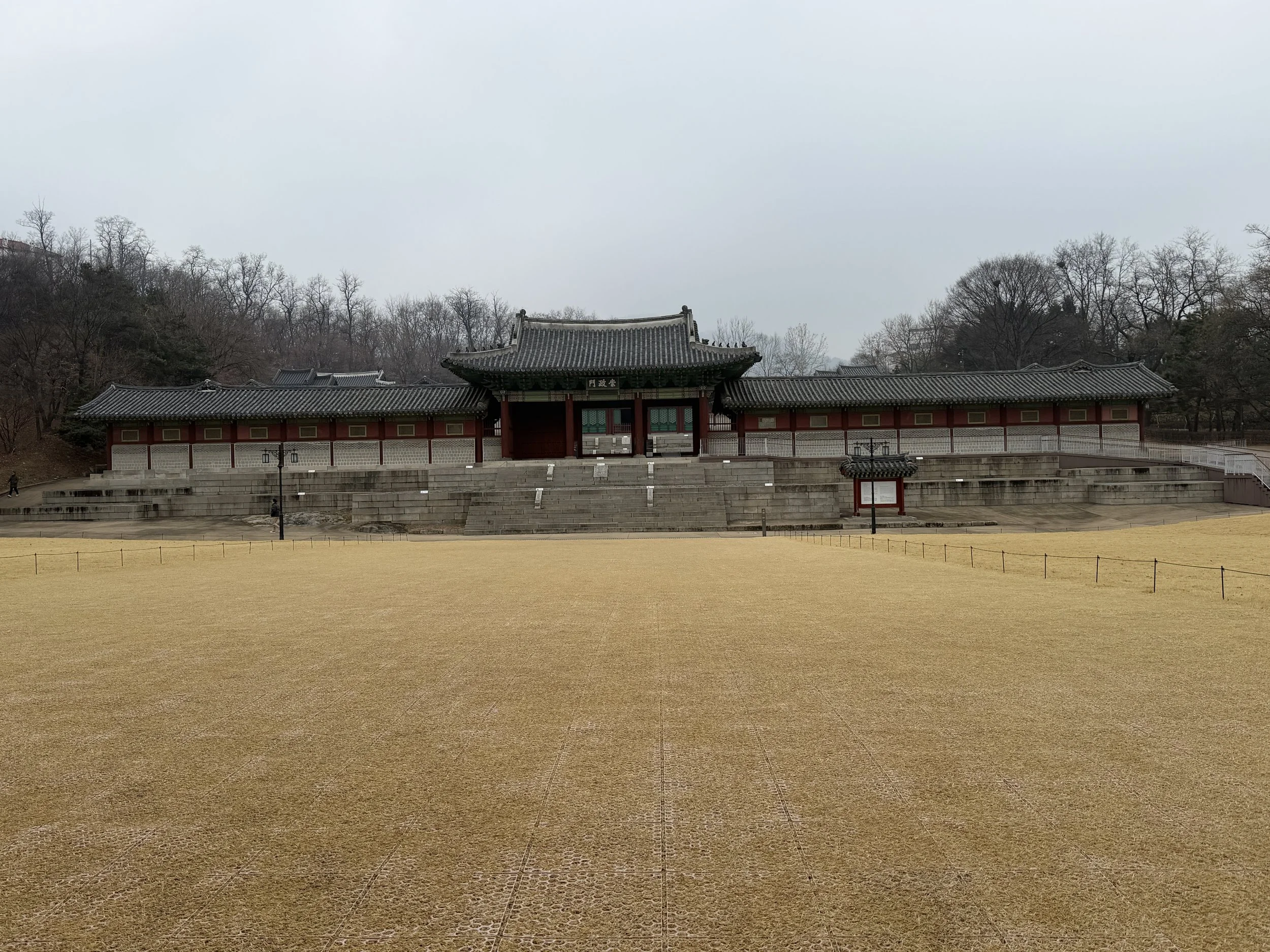
Often referred to as the “forgotten palace,” Gyeonghuigung Palace is the least visited of the five, yet still historically significant. Built in the 17th century, it served as a secondary palace where kings stayed during times of emergency.
Although much of the original complex was destroyed, portions have been reconstructed, and the palace is now connected to the Seoul Museum of History. Because it receives far fewer visitors, it’s one of the rare places in Seoul where you can explore palace grounds in near solitude.
Tip: Unlike the other royal palaces, Gyeonghuigung Palace is free to enter, making it an easy addition to any Seoul itinerary.
Planning Your Visit to Seoul’s Royal Palaces
Admission:
Each palace charges a small entrance fee
Gyeonghuigung is always free
Entry is free if you’re wearing a hanbok
Palaces are free on major Korean holidays
Admission is also free on the last Wednesday of every month (Culture Day)
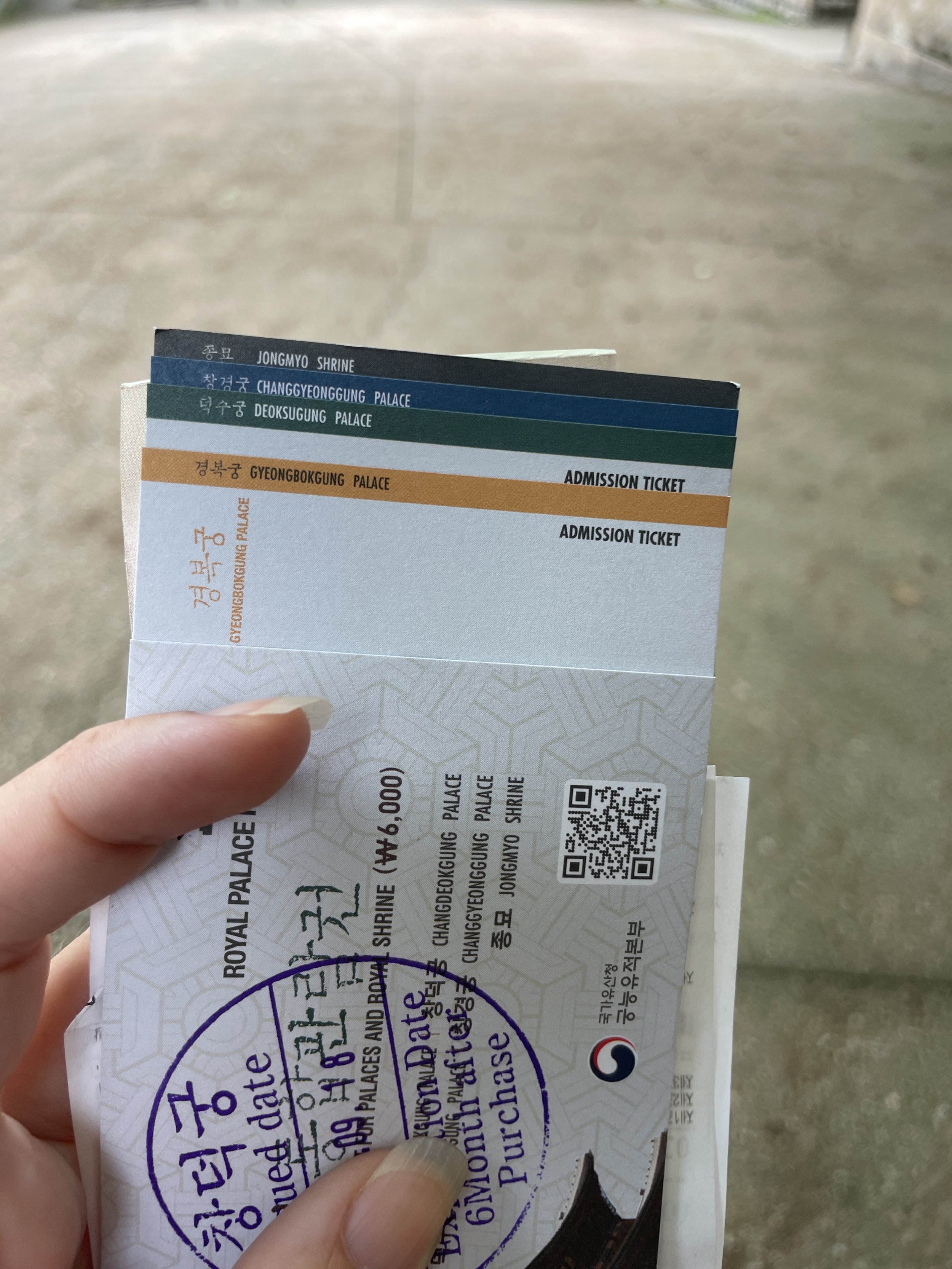
Combination Ticket:
A Royal Palace Pass is available at ticket counters at each palace and covers:
Gyeongbokgung
Changdeokgung
Changgyeonggung
Deoksugung
Jongmyo Shrine
The Secret Garden is not included in the combination ticket. If you’re deciding whether the extra ticket and time commitment make sense for your itinerary, I break that down in detail here: Is the Secret Garden worth it?
All five palaces are centrally located in Seoul and easily accessible by public transportation. Refer to the Naver pins in each section for exact locations.
For the most up-to-date information on opening hours, admission fees, and seasonal closures, you can also visit the official Royal Palaces and Tombs Center website, which has a dedicated page for each palace.
Which Palace Should You Visit?
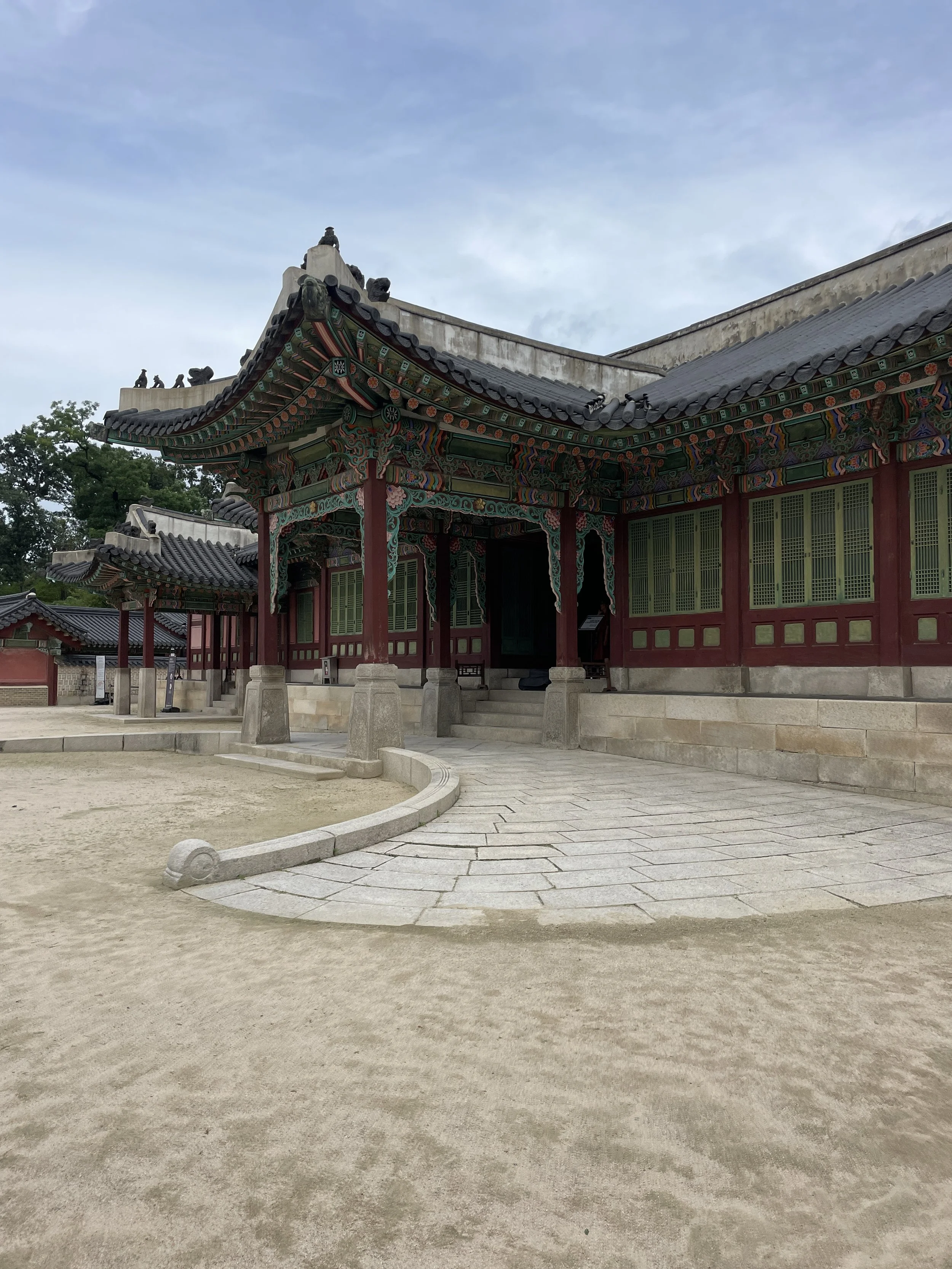
Best first palace: Gyeongbokgung
Most peaceful: Changdeokgung
Best during cherry blossom season: Changgyeonggung
Best night visit: Deoksugung
Least crowded: Gyeonghuigung
This is the line up I have coming for my Seoul Royal Palaces Series. I’ll update links as each post goes live!
The 5 Royal Palaces of Seoul - You’re here!
If you’re planning a trip to South Korea, make sure at least one of Seoul’s royal palaces is on your itinerary. Whether you’re drawn to grandeur, quiet gardens, or hidden corners of history, each palace offers a different way to experience the city’s past—and together, they tell the story of Seoul itself.