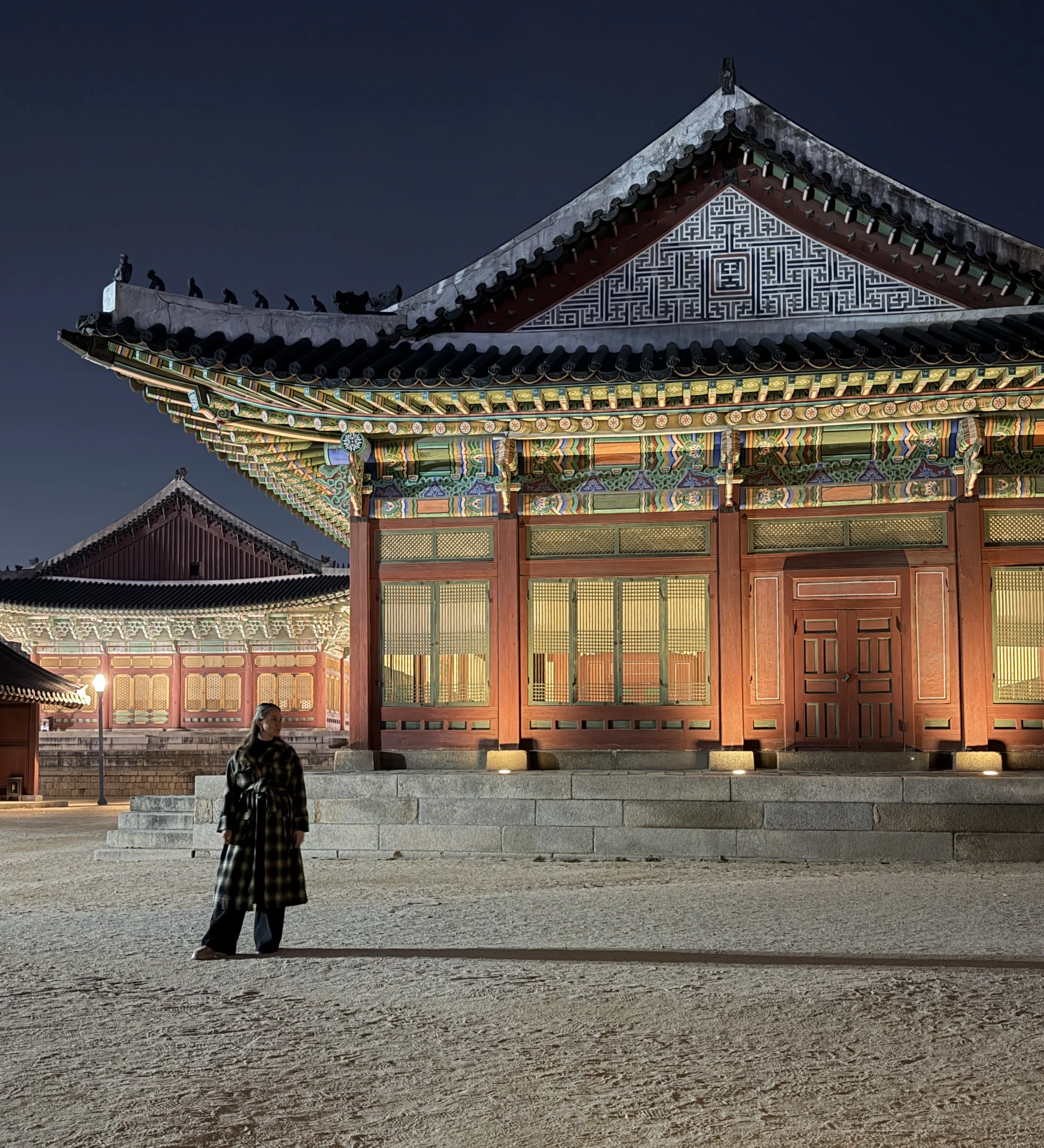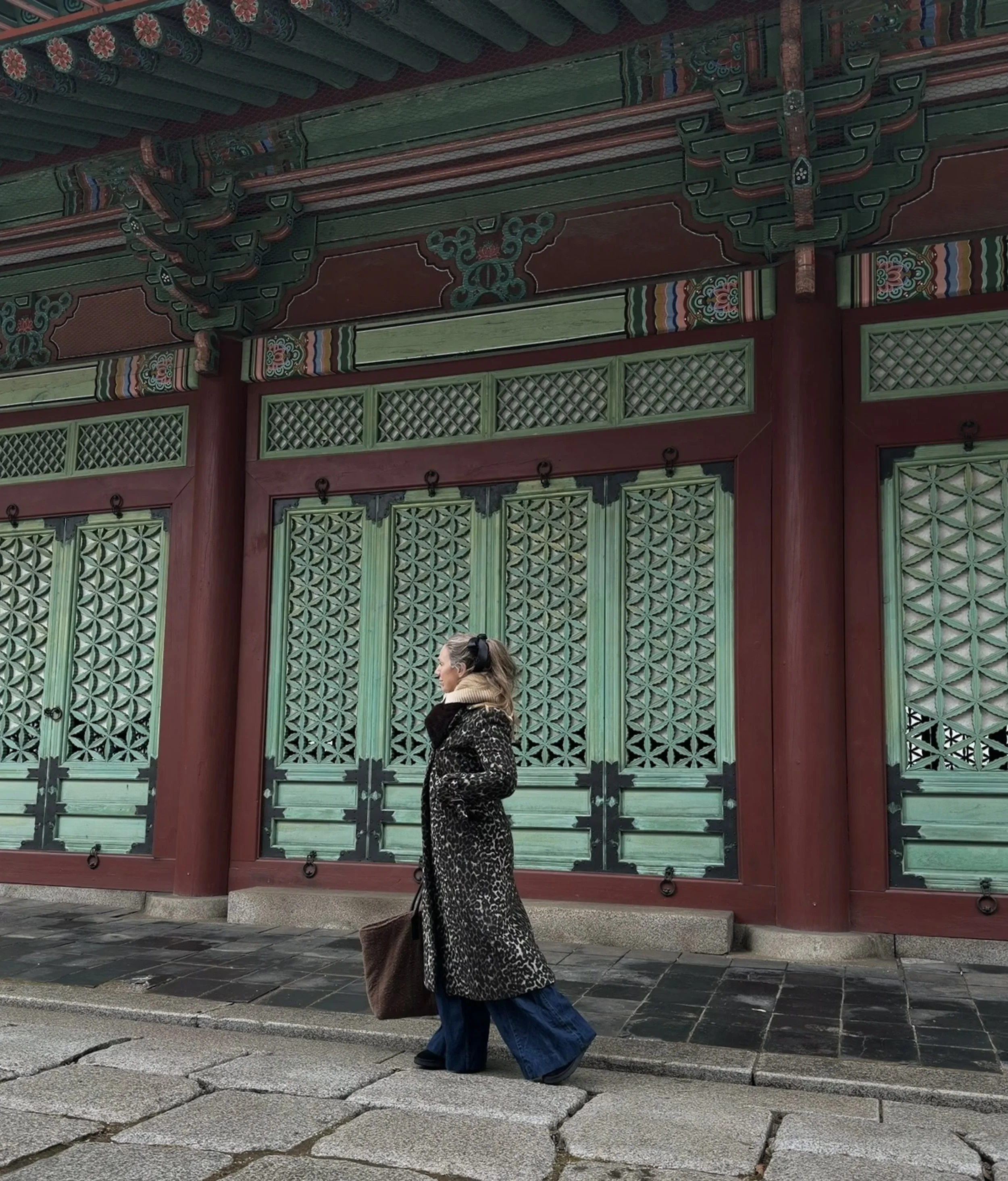
Gyeonghuigung Palace: Seoul’s Quietest Royal Palace
No lines. No ticket booth. No crowd waiting for a photo.
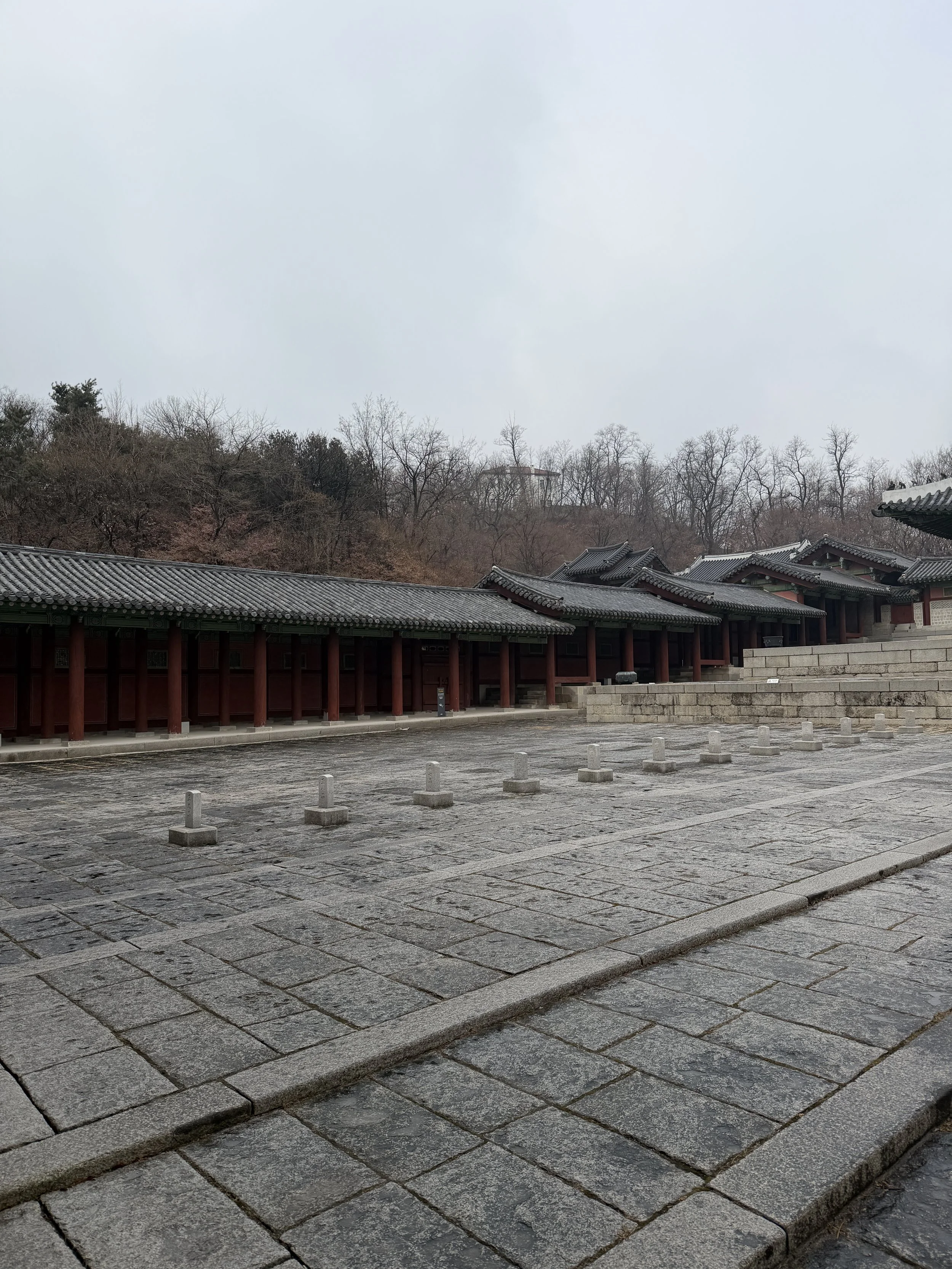
Gyeonghuigung Palace (경희궁) is the smallest of Seoul’s Five Grand Palaces and the easiest to overlook.
A Palace Without the Noise
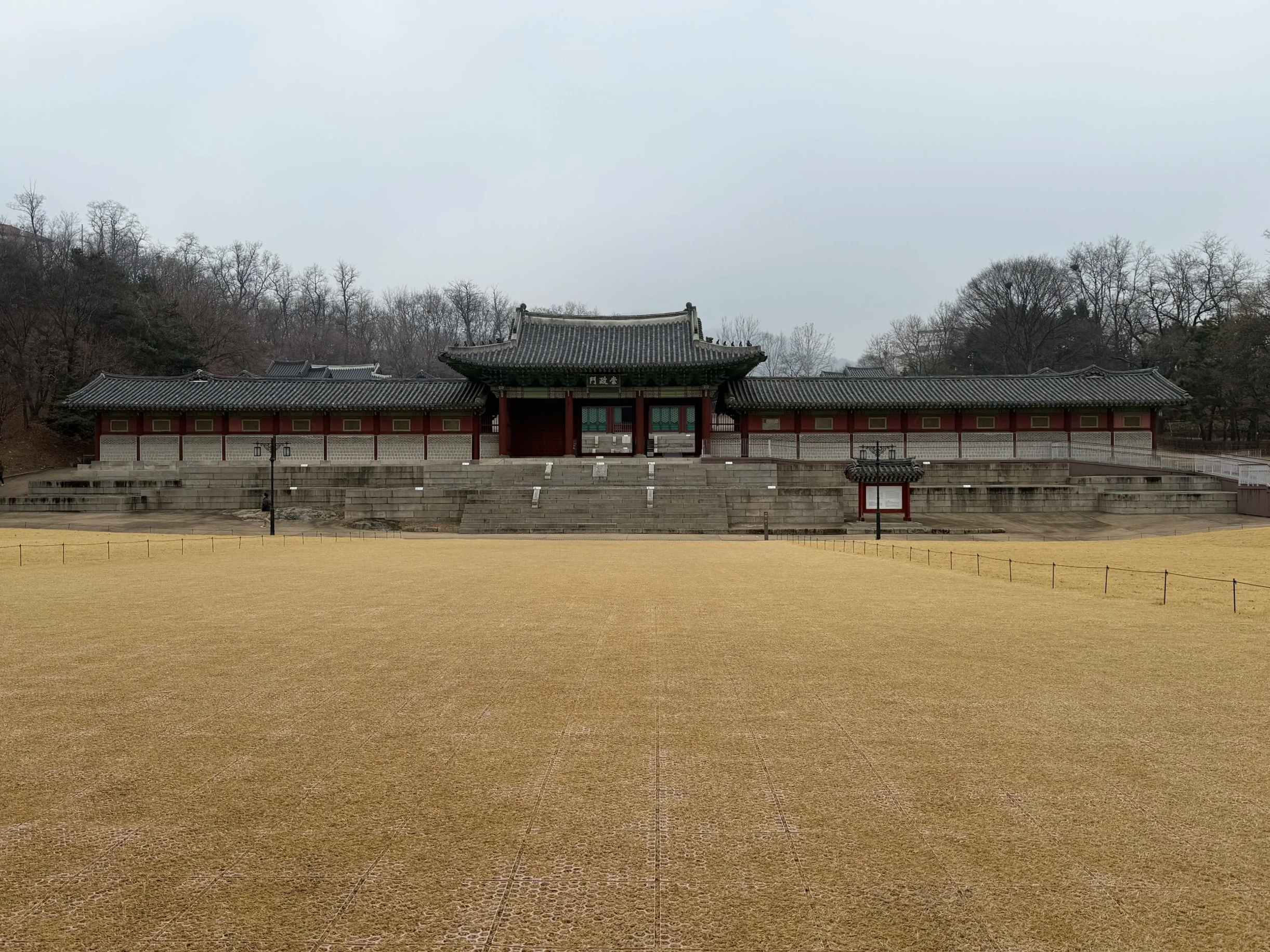
Tucked quietly between government buildings and city streets, this palace doesn’t announce itself. You walk in freely — no ticket required.
Built in the 1600s during the Joseon Dynasty, Gyeonghuigung once served as a secondary royal residence and a place kings could retreat during times of crisis.
However, today, there isn’t a lot here. In fact, most of the buildings were relocated to Gyeongbokgung Place when it underwent reconstruction during the reign of King Gojong (1863-1907). During the Japanese Colonial Period, Gyeongseong Middle school and residences were also built here and the area of the palace was downsized.
Since then, with much research and excavation efforts, Sungjeongjeon Hall and a few other buildings have been restored.
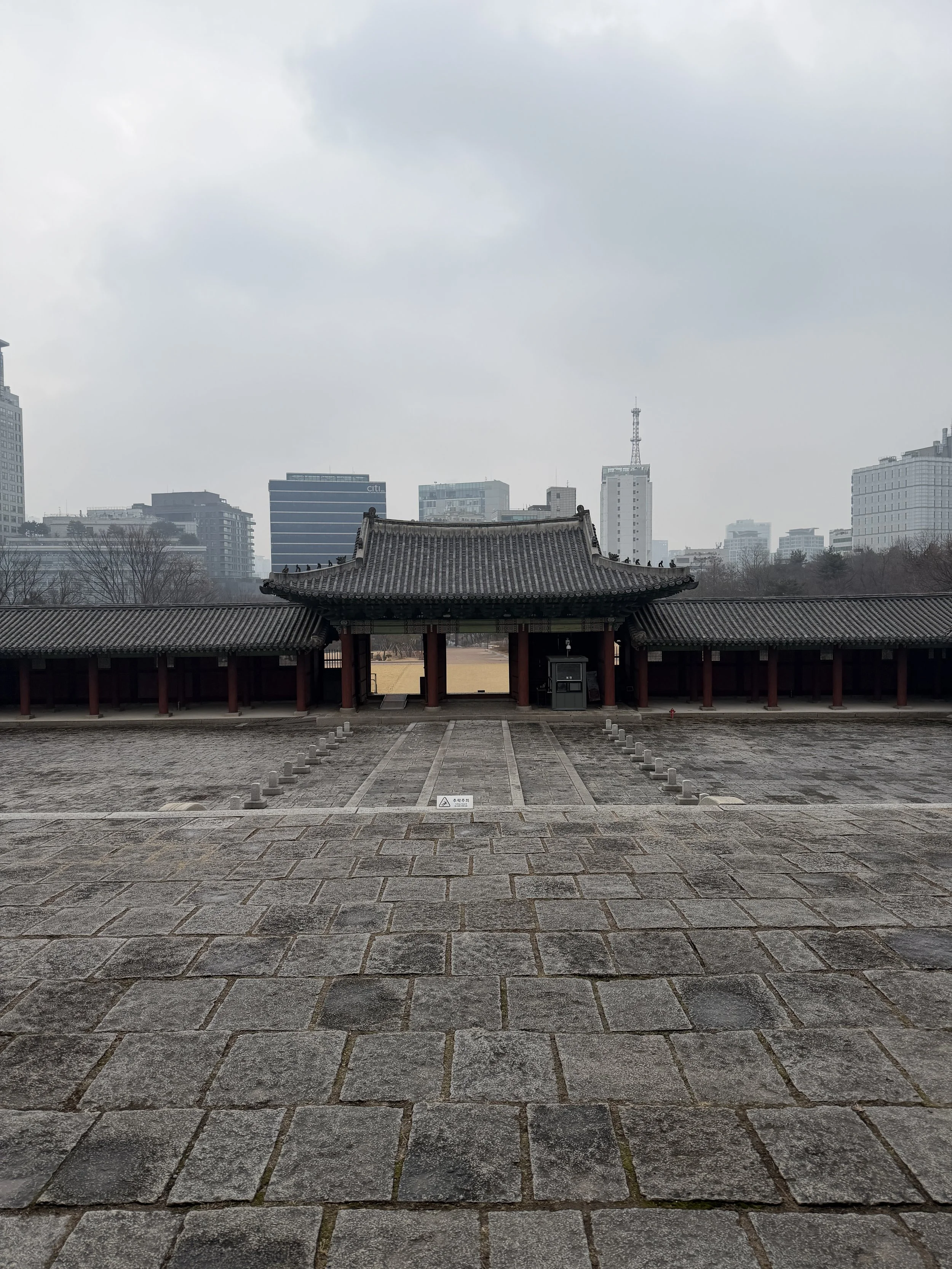
Heunghwamun Gate
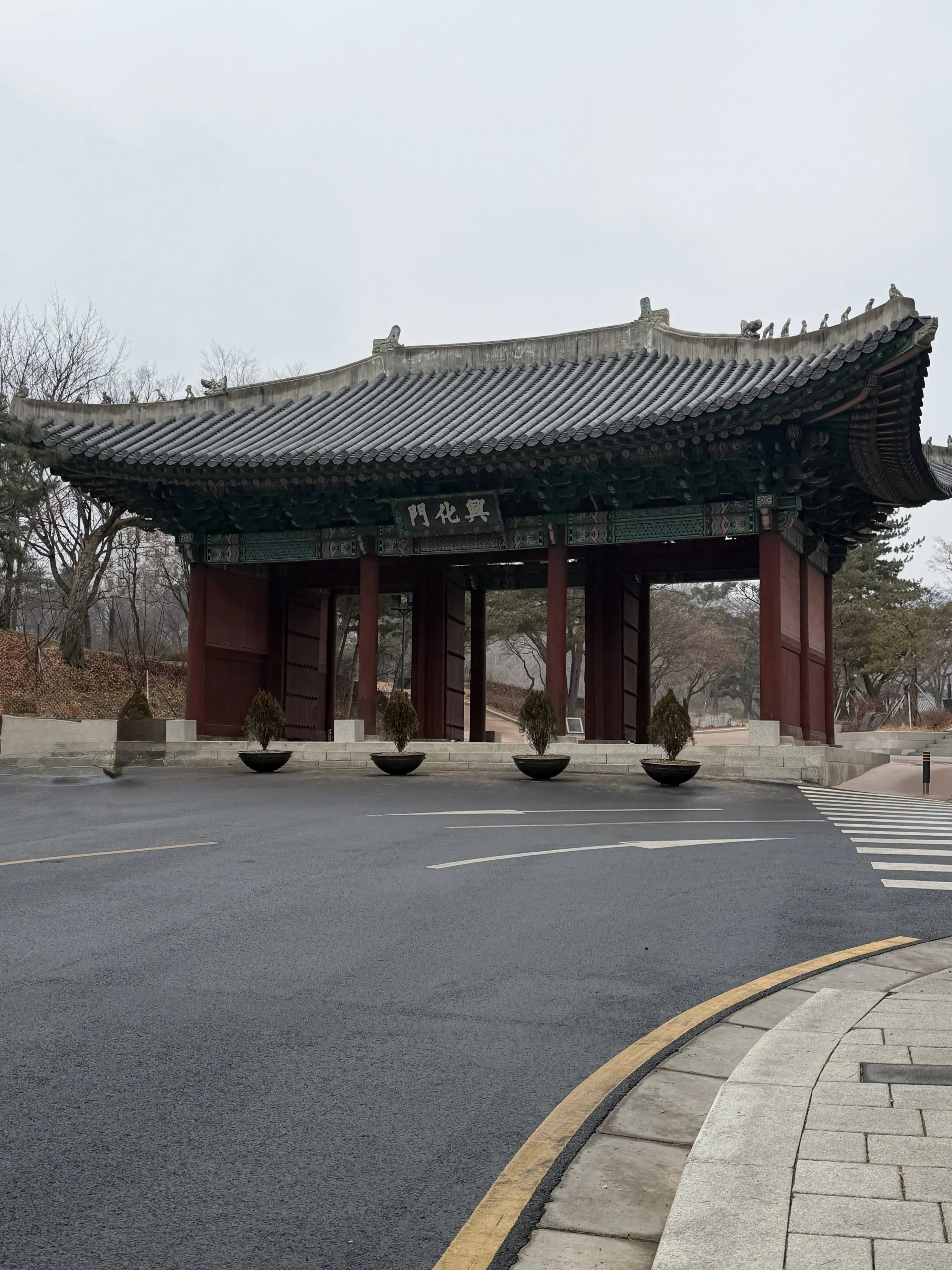
Heunghwamun Gate at Gyeonghuigung Palace.
This gate has travelled quite a bit. Originally, it was situated just next to the current Salvation Army Center, facing the direction of Jongno Avenue. When the adjacent road was expanded in 1915, the gate was sold and installed as the main gate of Bakmunsa. Heunghwamun was restored and then moved to the current site in 1985. (information from Royal Palaces website)
Sungjeongjeon Hall
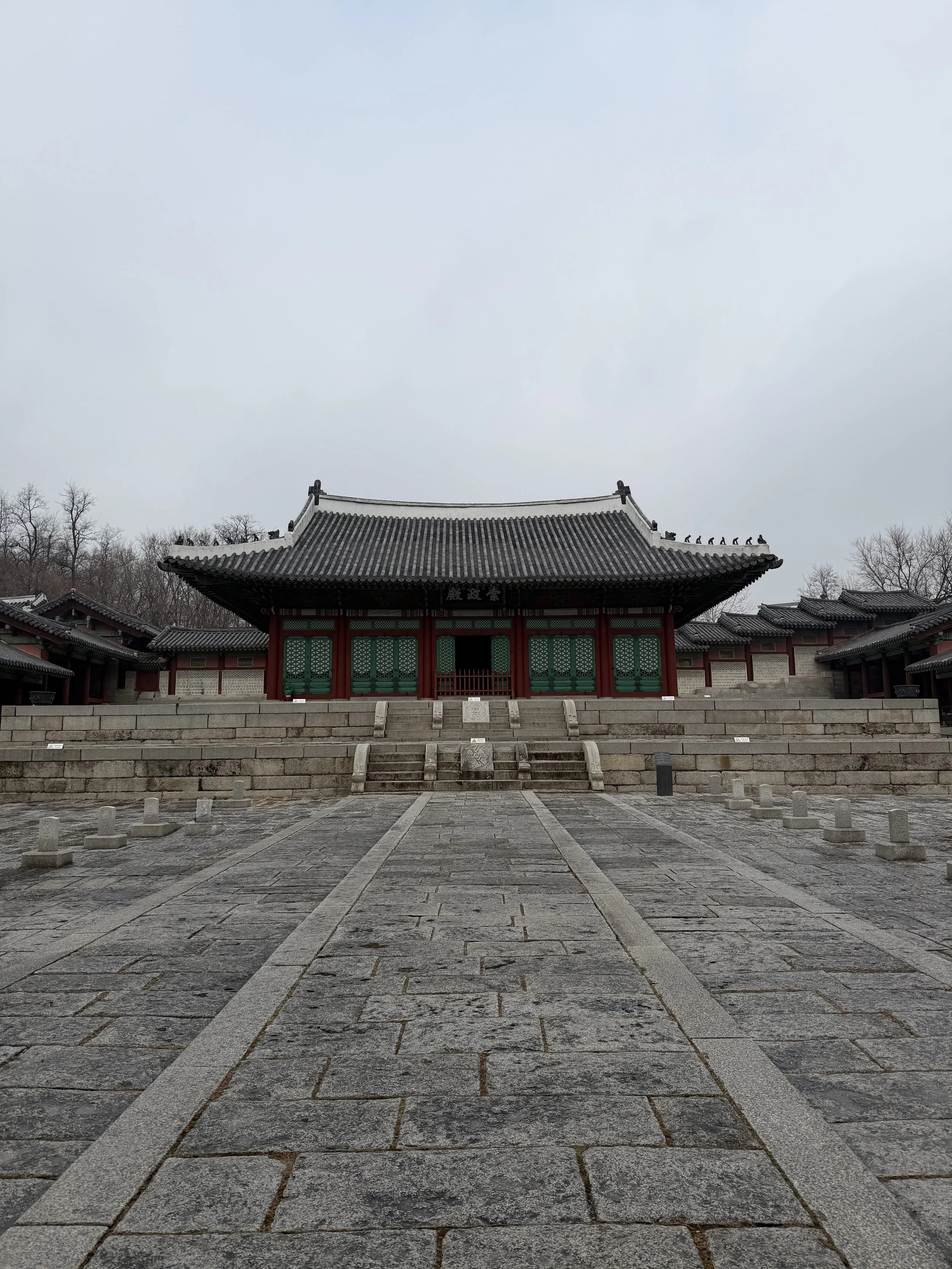
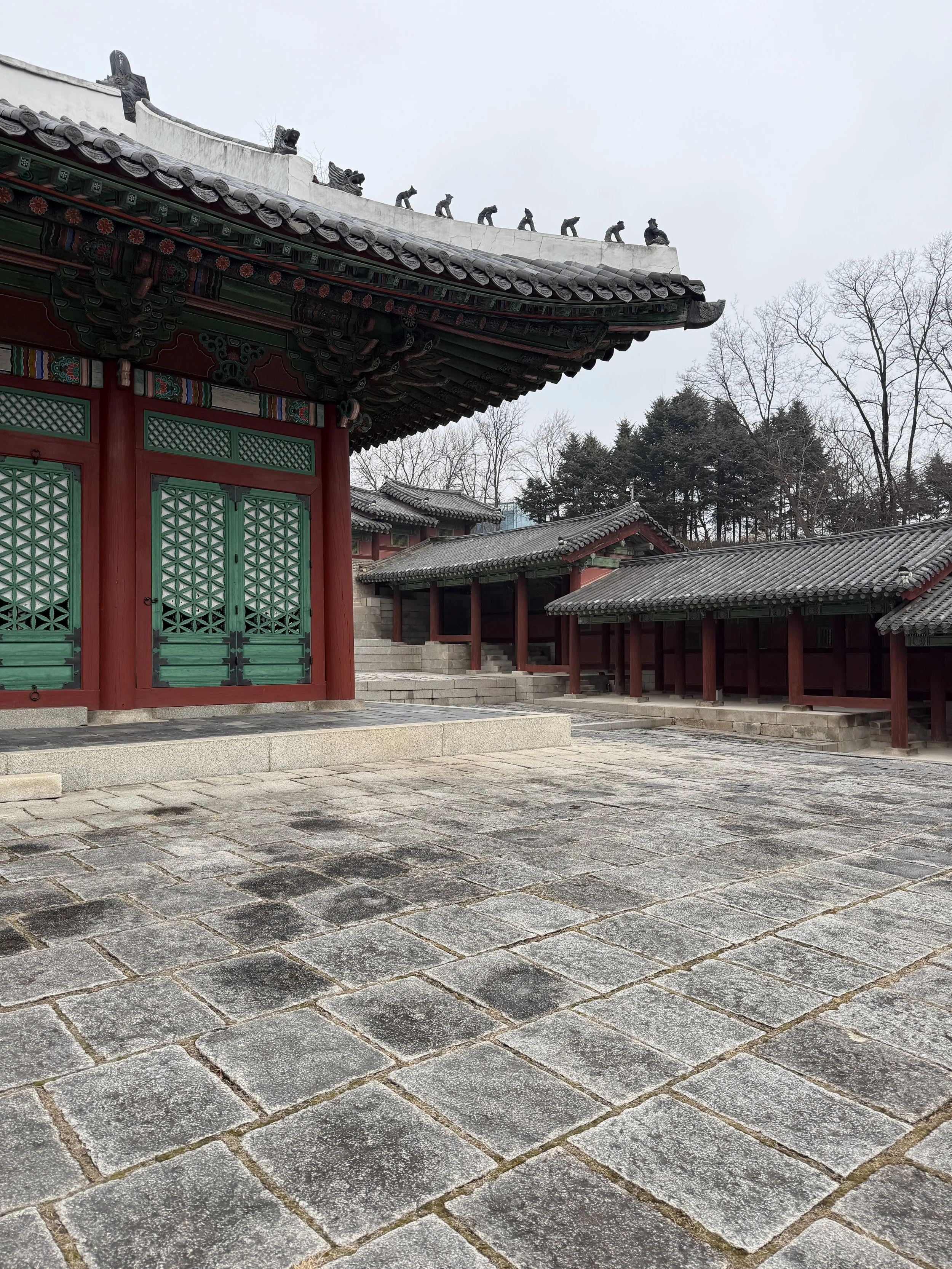
A reconstruction of its original building, Sungjeongjeon Hall was reconstructed based on historical records and completed in 1994. The original was moved to Jogyesa Temple in 1926, where it still stands today as the Jeonggakwon hall of Dongguk University. At nearly 400 years old, it’s too delicate to move again.
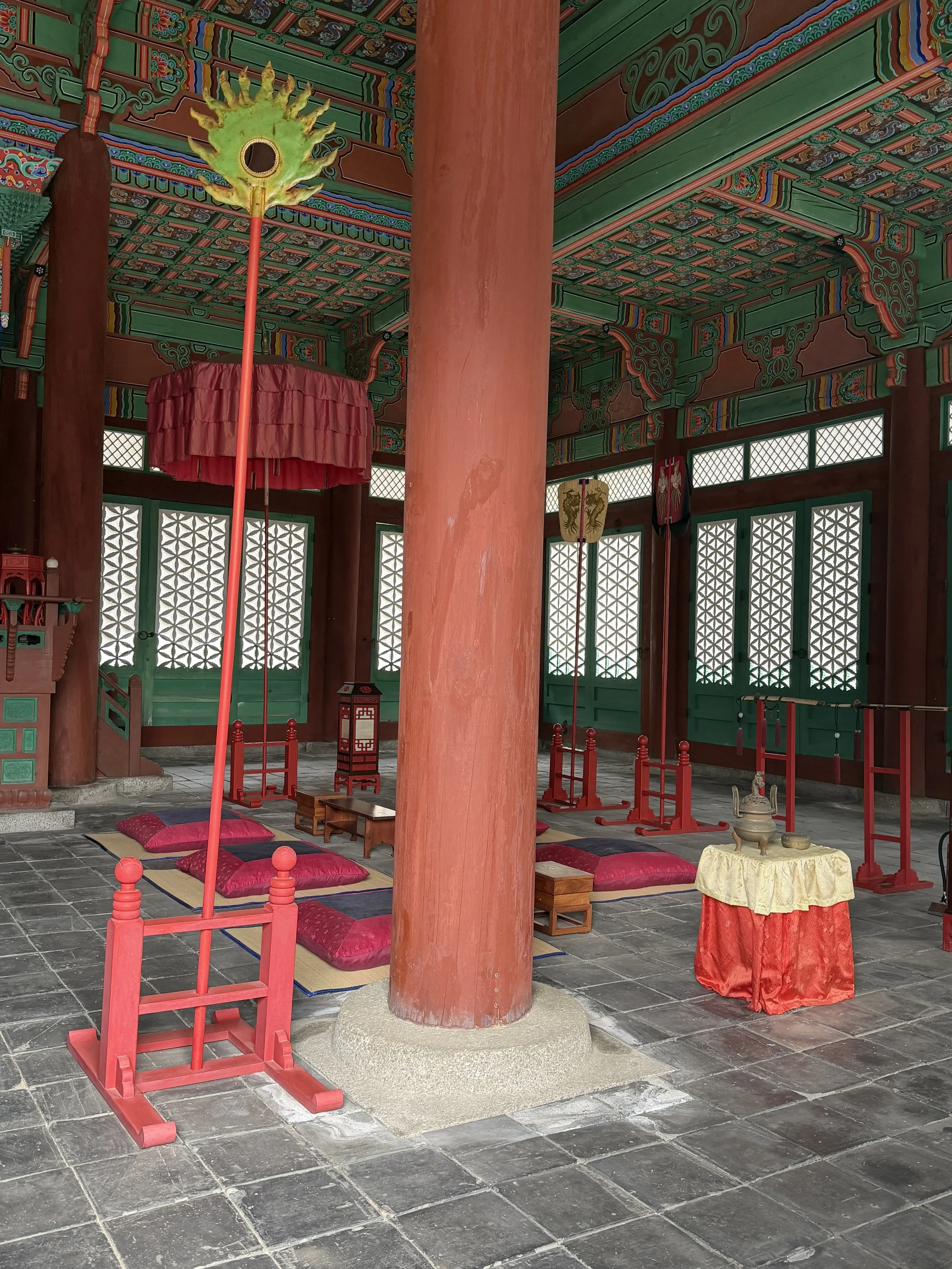
Inside Sungjeongjeon Hall.
Sungjeongjeon Hall is where the king had morning meetings with his courtiers or hosted official events. Inside the current building you can find an “exhibition on the revival of life in the palace.”
Jajeongjeon Hall
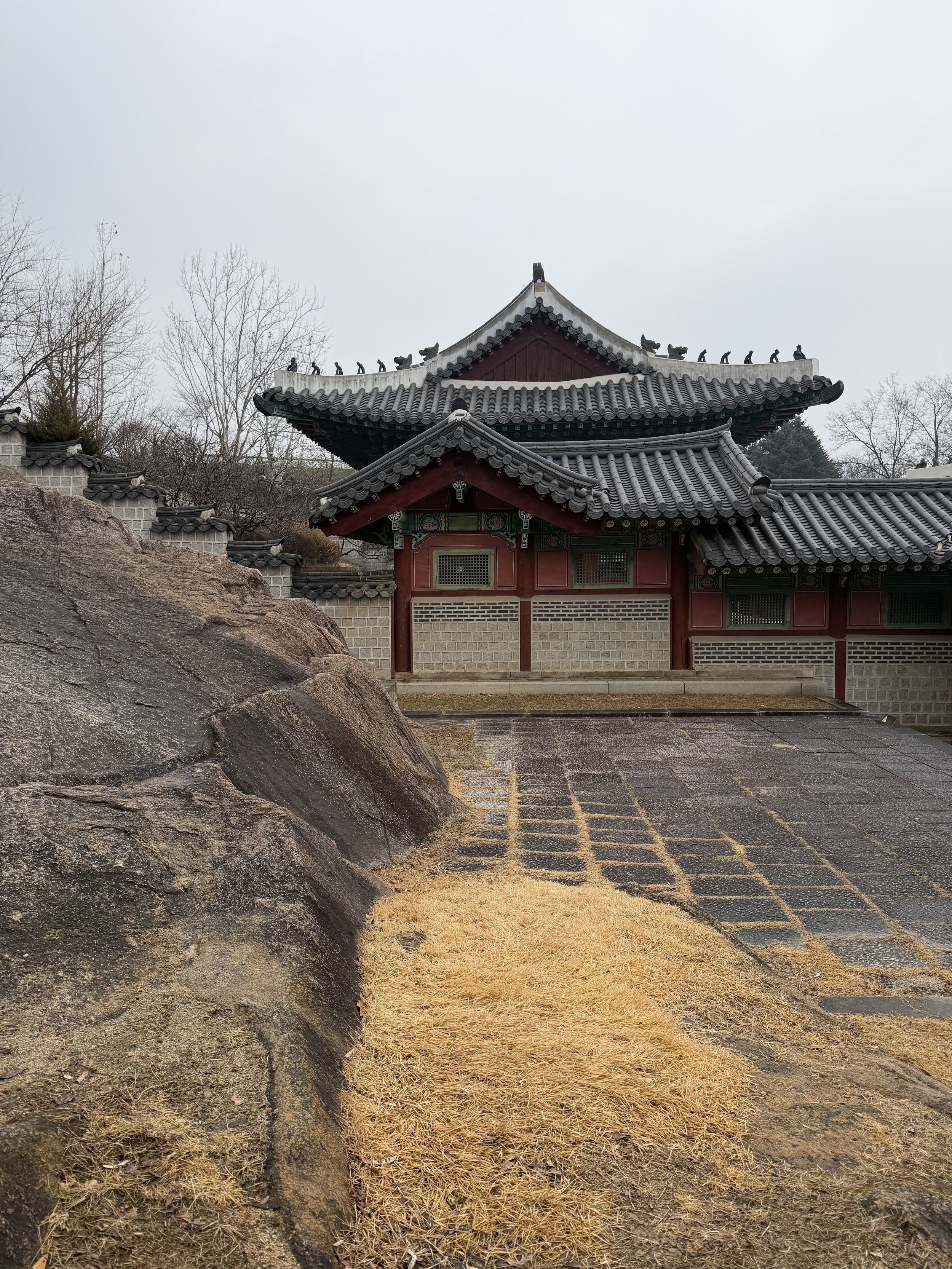
Side view of Jajeongjeon Hall from Seoam
This contains the king’s private living room. The current building was also restored according to sketches. The original was built between 1617-1620 and was used as a place for king’s to hold meetings with their subjects as well as supervised academic competitions.
Seoam
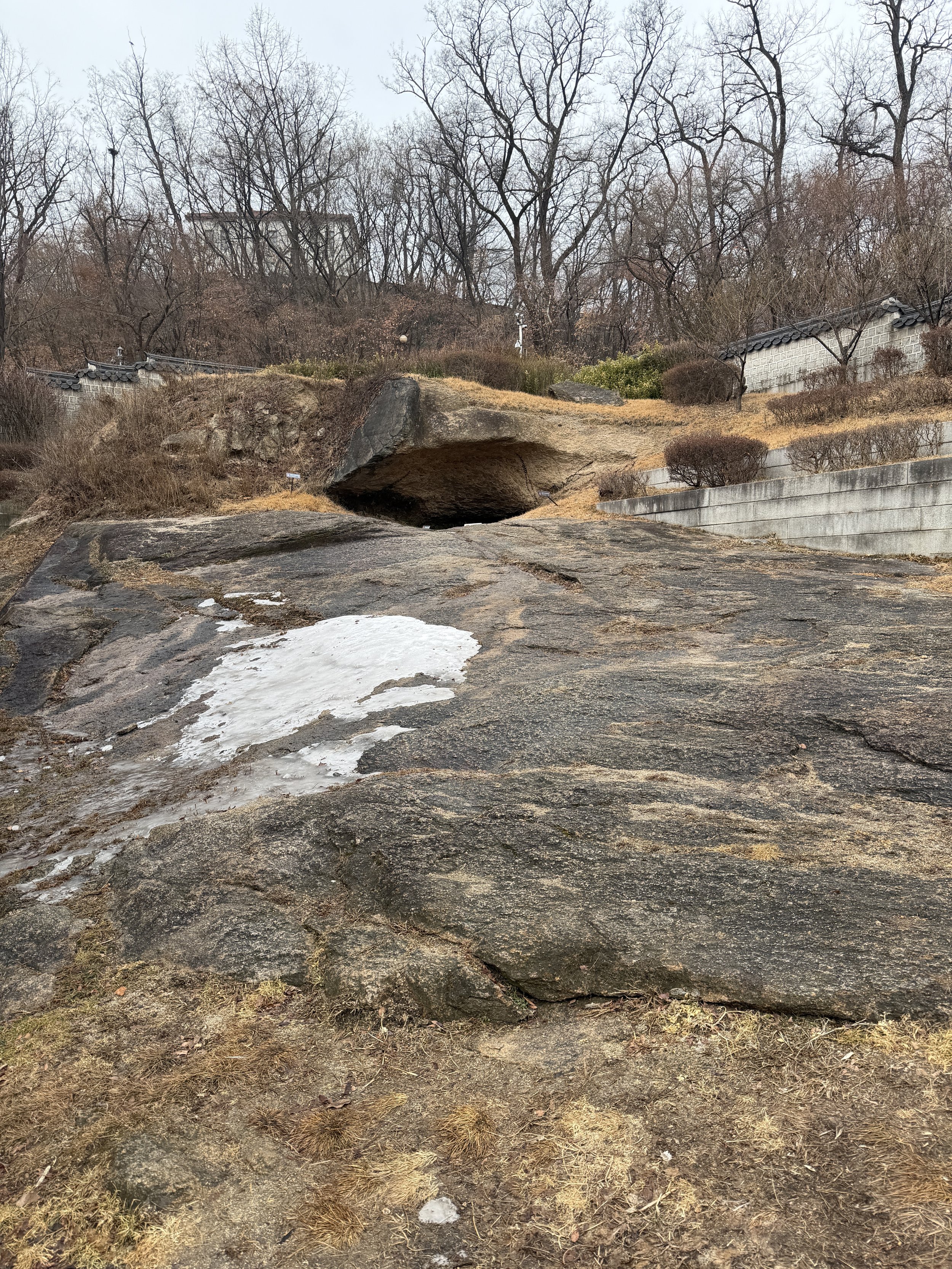
Seoam rock
Oringally called Wangam, Seoam refers to the rock located behind Taeyeongjeon and is famous for its unique shape and natural fountain that flows inside.
Because it’s rarely crowded, Gyeonghuigung is one of the easiest places in Seoul to capture palace photos without strangers in the background.
If you’re wearing hanbok, this is the palace where you can actually take your time.
Pair It With A Museum
Gyeonghuigung sits right next to the Seoul Museum of History, which makes it incredibly easy to turn your visit into a relaxed half-day plan. Wander the palace grounds first, then step into the museum to better understand how Seoul evolved from the Joseon Dynasty to the modern city it is today.
From there, you’re within walking distance of Gwanghwamun, meaning you could continue on to Gyeongbokgung Palace if you want to see the grandest royal complex in the city — or head toward Deoksugung Palace for its unique blend of traditional and Western-style architecture.
If you’ve been following along with my Seoul palace series, this stop fits perfectly between the larger, more dramatic palaces. It’s the calm in the middle.
Opening Hours & Admission
Hours: 09:00-18:00 year round
Last admission: 1 hour before closing
Admission fee: free entry
Closed: Monday’s and January 1st
Be sure to check the Royal Palaces and Tombs Center website for the most accurate information.
This is the line up I have coming for my Seoul Royal Palaces Series. I’ll update links as each post goes live!