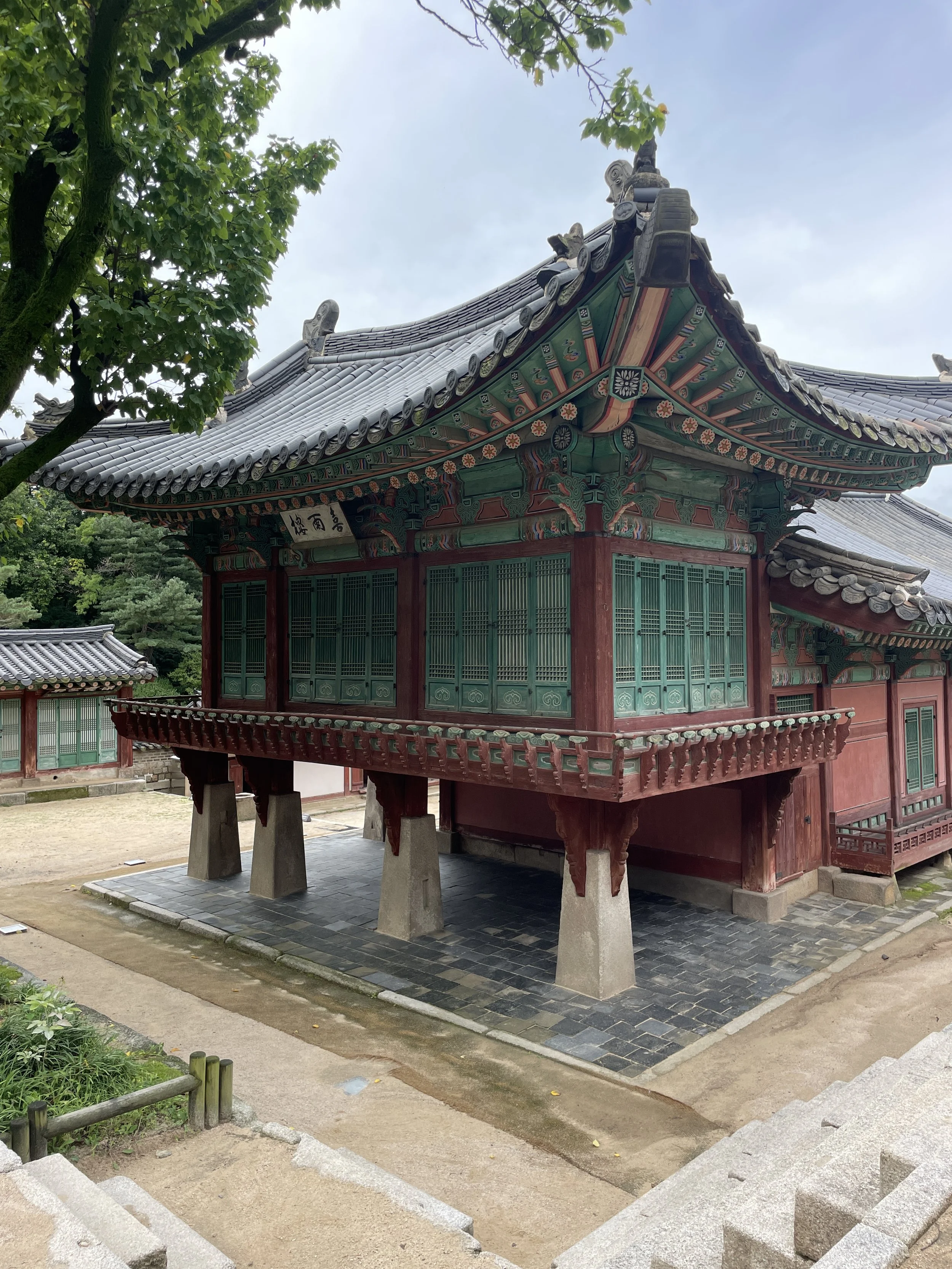
Changdeokgung Palace and the Gateway to the Secret Garden
Changdeokgung Palace is one of the most historically significant sites in Seoul and the only royal palace designated as a UNESCO World Heritage Site. Built in 1405 during the Joseon Dynasty, it served as the primary residence for Korean kings for nearly three centuries and is best known for its natural layout and connection to the famous Secret Garden (Huwon). Unlike other palaces designed around rigid symmetry, Changdeokgung was intentionally constructed to follow the surrounding landscape.
Fun fact: Changdeokgung Palace is also where the last descendants of the royal family (Empress Sunjeong, Crown Princess Yi Bangja, and Princess Deokhye) lived and passed away - in 1989!
Why Changdeokgung Palace Is Important
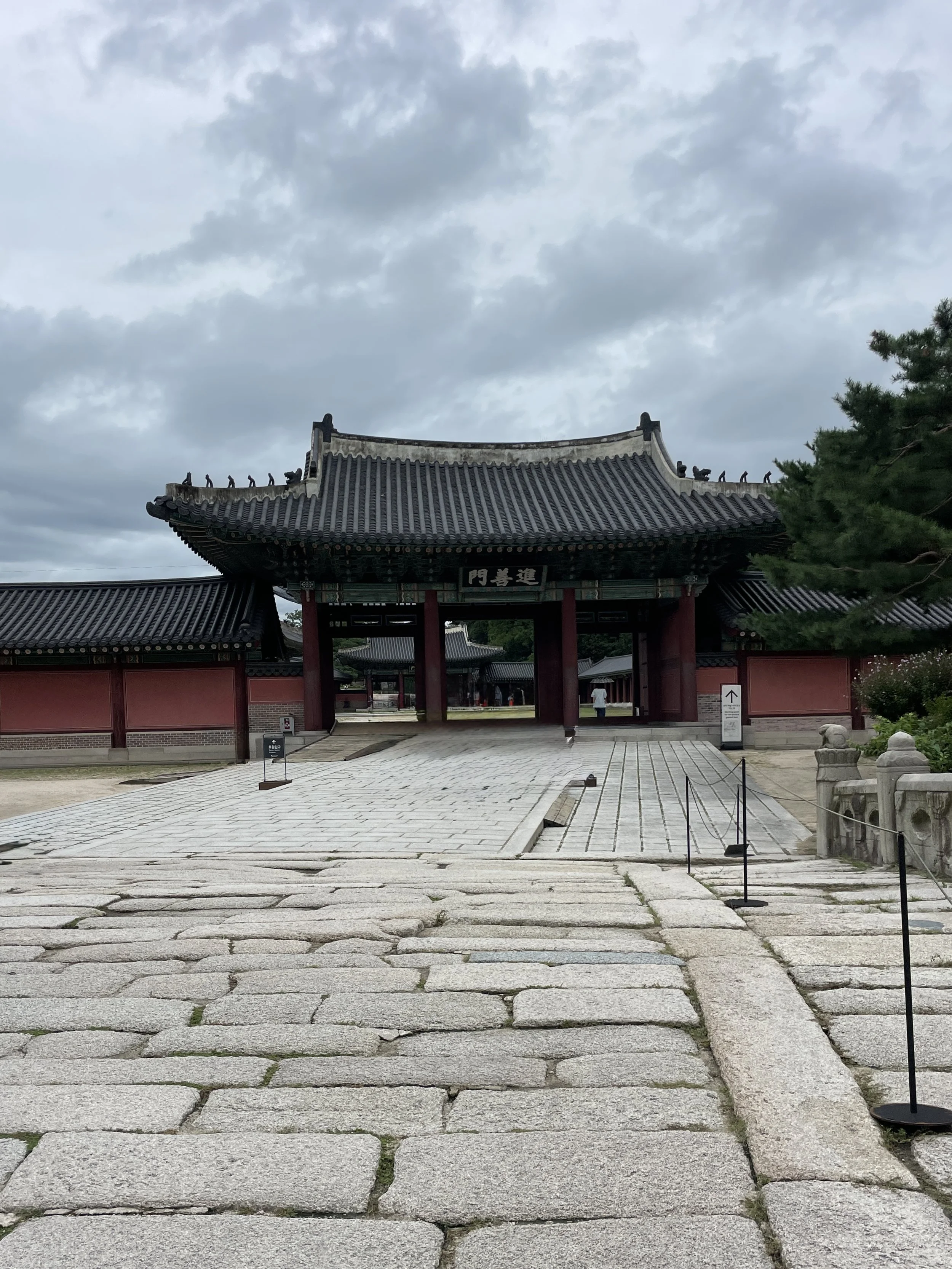
Crossing the Geumcheongyo Bridge to enter Changdeokgung grounds
Changdeokgung Palace was built as a secondary palace to the primary palace, Gyeongbokgung Palace, in 1405. Changdeokgung played a central role in Joseon royal life, particularly after repeated invasions destroyed other palaces, and it was the major residence of kings until Gyeongbokgung Palace was rebuilt in 1867. Kings ruled from here more often than anywhere else, making it the most practically used palace in Seoul’s history.
Injeongjeon Hall (인정전)
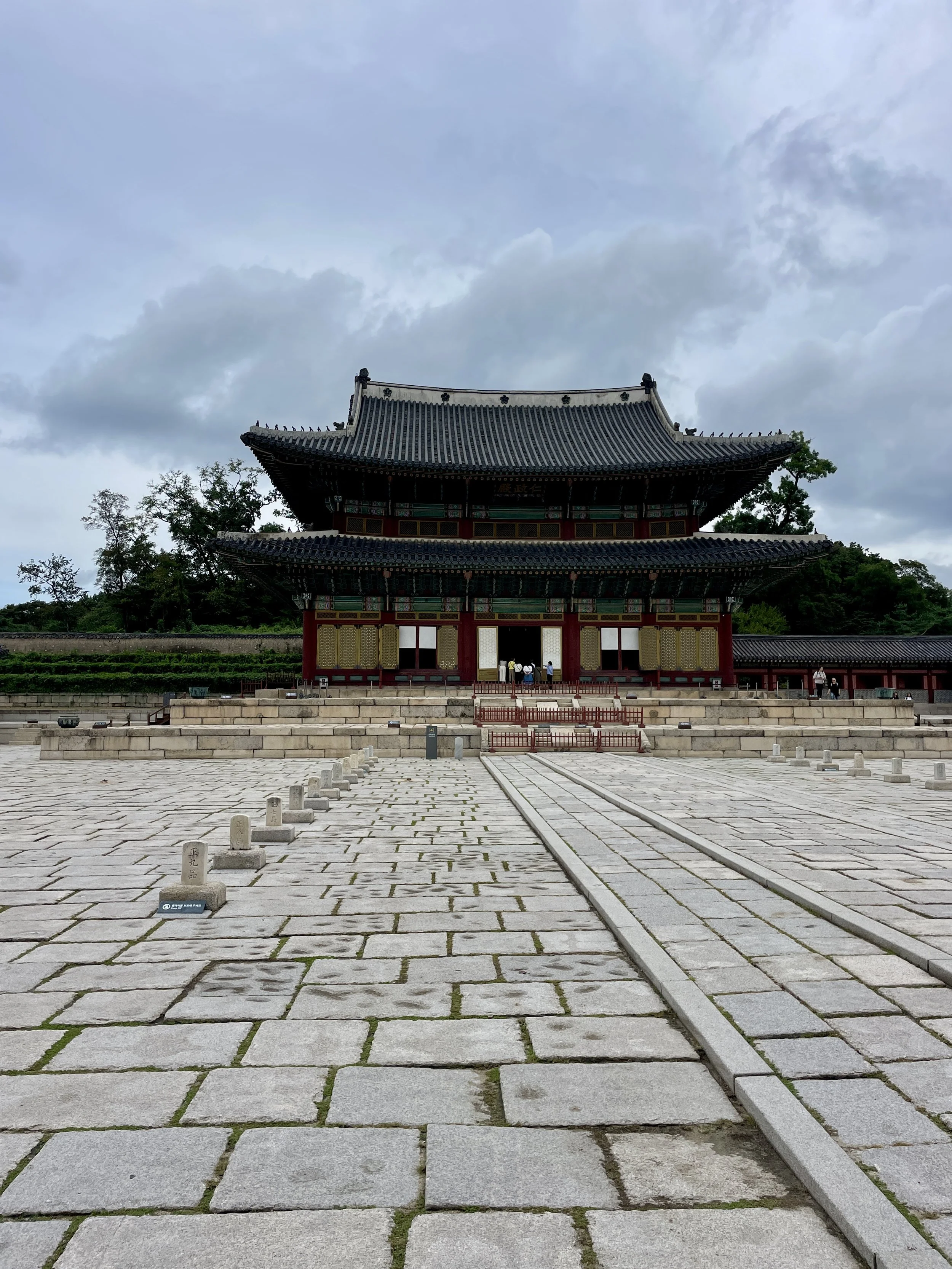
Injeongjeon Hall at Changdeokgung.
Injeongjeon is the main throne hall of Changdeokgung and the most formal building within the complex. This is where kings held official audiences, received foreign envoys, and conducted state affairs.
Unlike the expansive courtyards at Gyeongbokgung, Injeongjeon feels more intimate, reinforcing Changdeokgung’s role as a lived-in palace. The stone courtyard in front of the hall still displays rank stones that once marked where officials stood during ceremonies.
Seonjeongjeon Hall (선정전)
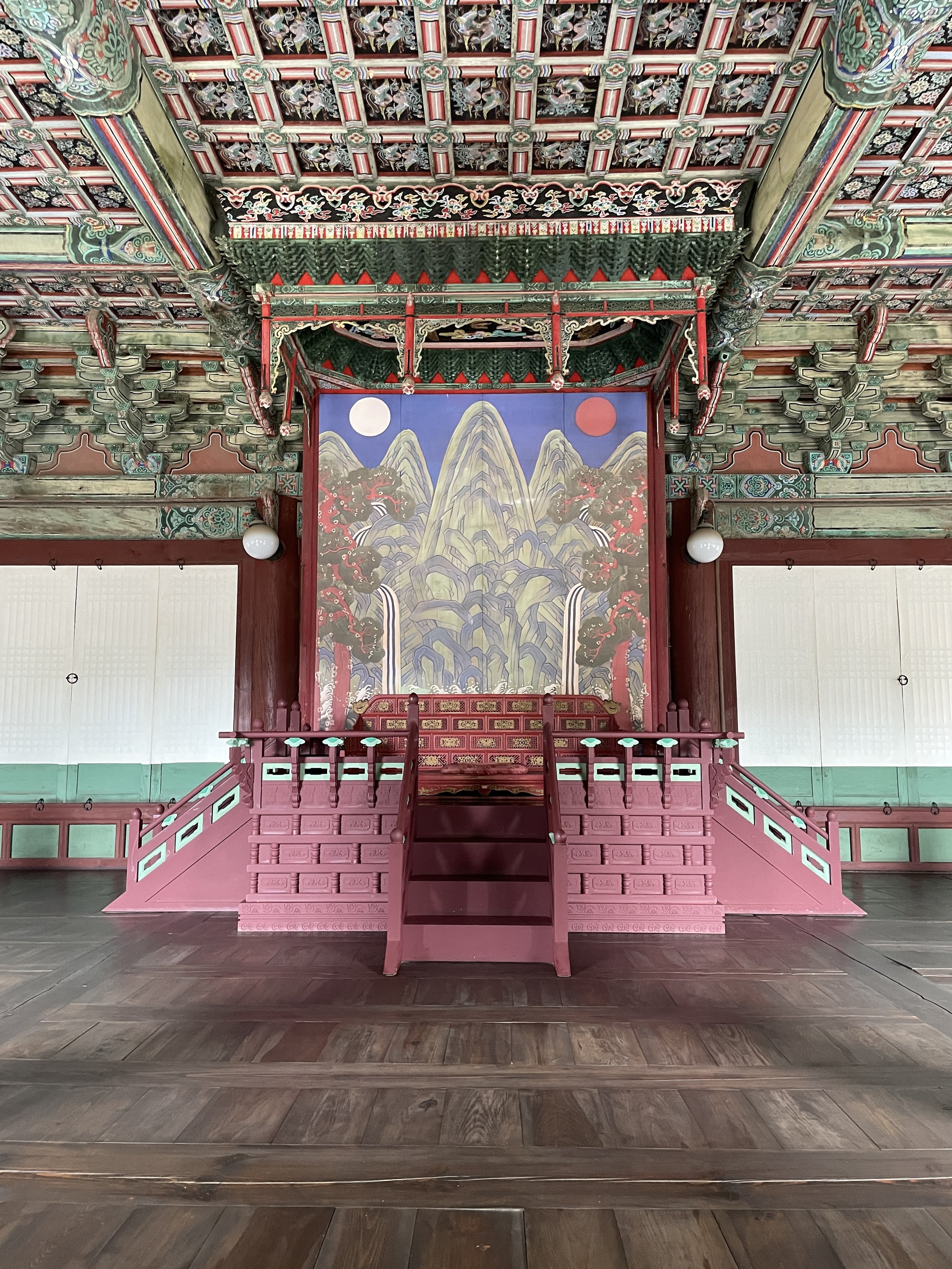
Inside Seonjeongjeon Hall at Changdeokgung
Seonjeongjeon functioned as the king’s primary office and is one of the few palace buildings where you’ll see blue roof tiles instead of the usual gray. This detail reflects its administrative importance rather than ceremonial use.
Here, kings met with advisors and handled day-to-day governance. The hall’s modest size and design emphasize functionality, offering a glimpse into how rulership operated beyond grand public rituals.
Huijeongdang Hall (희정당) and Daejojeon Hall (대조전)
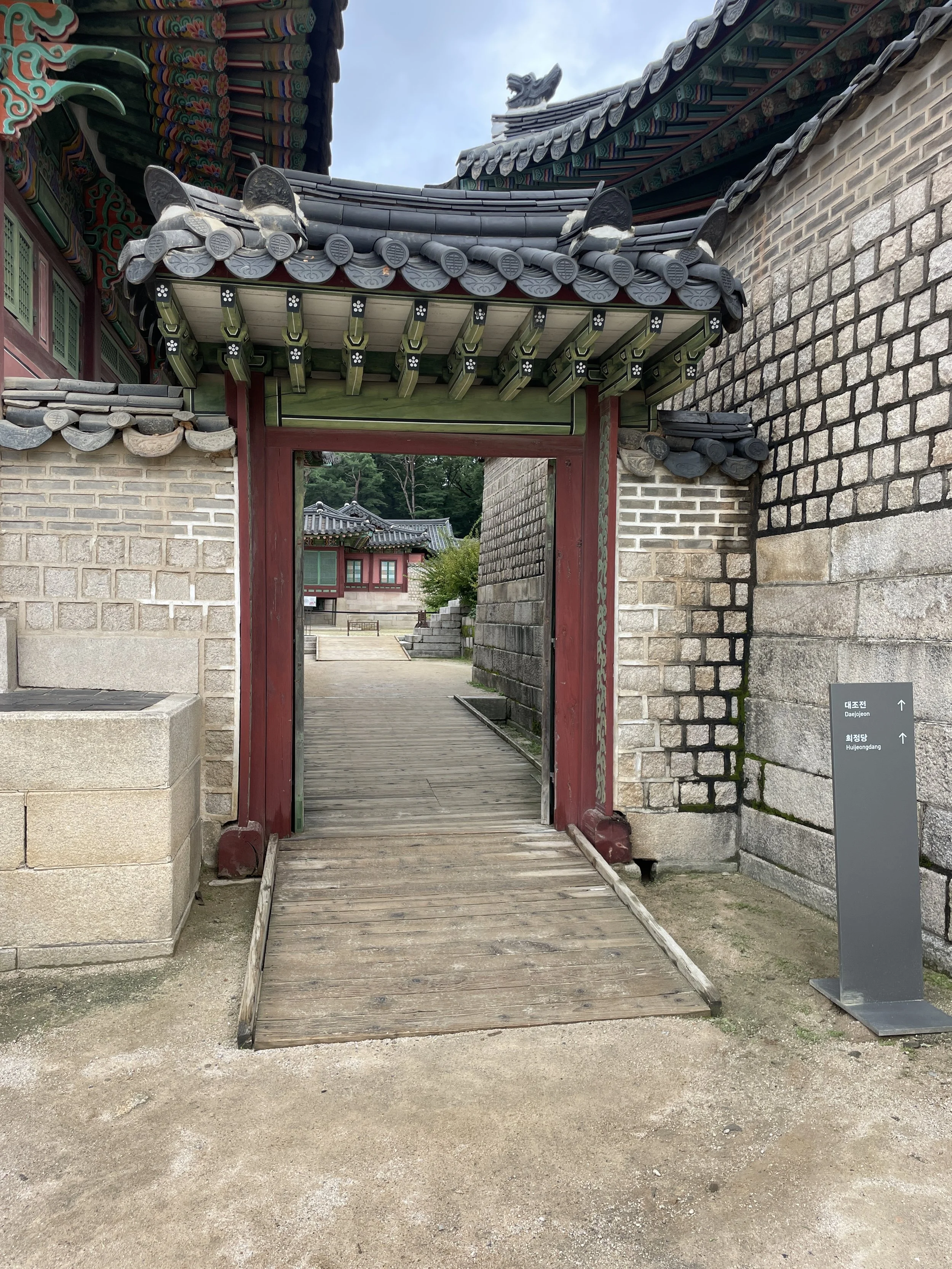
Several portions of each palace are regularly blocked off, including Daejeonjeon and Huijeongdang Halls at Daejojeon Hall Changdeokgung.
Huijeongdang originally served as the king’s living quarters and later became a space for meetings and work. It was rebuilt in the early 20th century after a fire and reflects subtle Western influences, including glass windows and modernized interior elements.
Daejojeon was the queen’s primary residence and the center of court life for royal women. Connected directly to Huijeongdang, it highlights the proximity of the king and queen’s daily spaces rather than separating them into distant quarters.
Seongjeongjeon Hall (성정전)
Seongjeonggak hall
Seongjeonggak is a modest pavilion used by the king for study and personal reflection. Rather than serving a ceremonial or administrative role, it functioned as a quieter intellectual space — a place for reading, writing, and contemplation away from official audiences. This is also where royal doctors of the court took care of the king and his family.
Visiting the Secret Garden (Huwon)
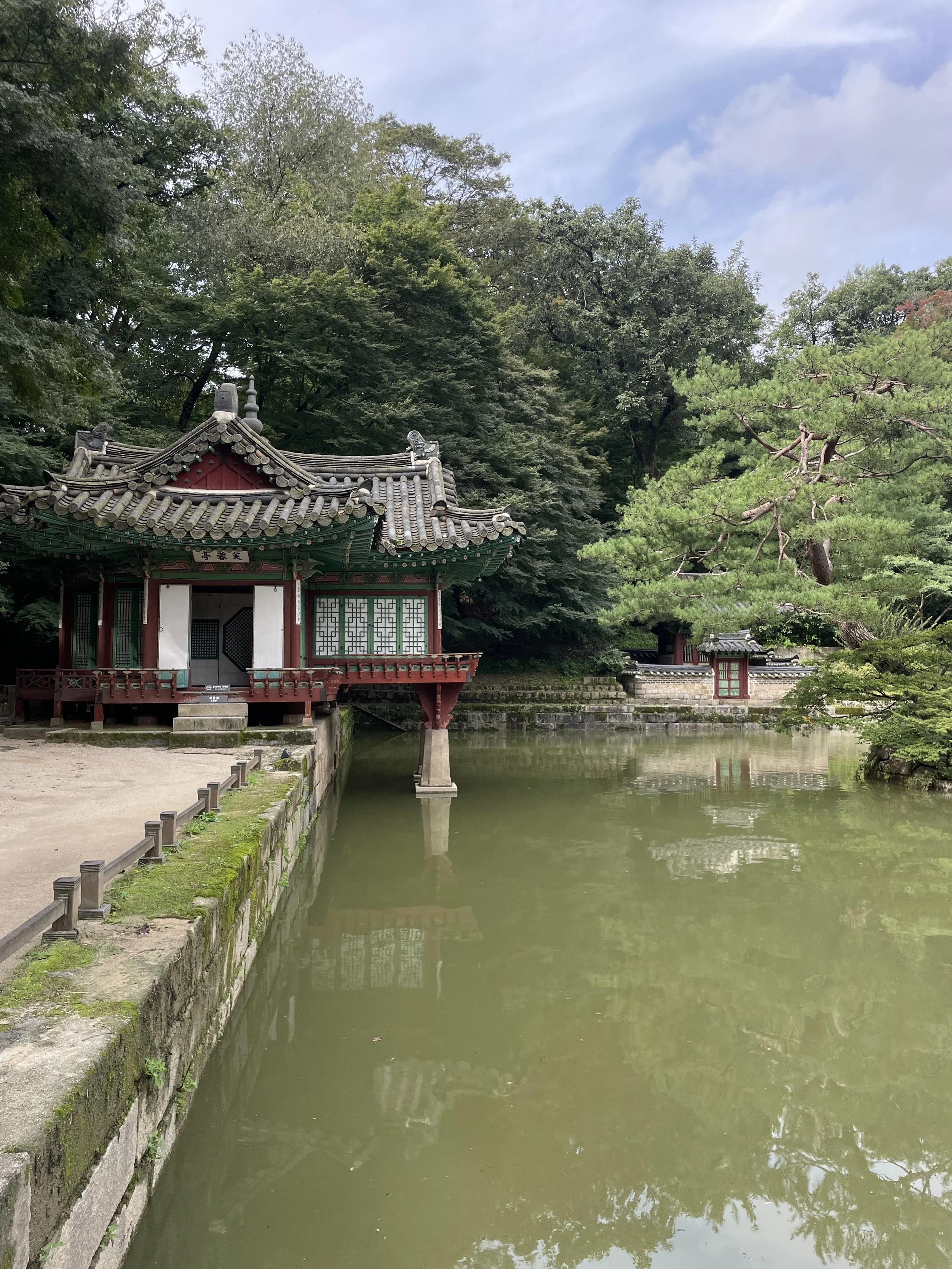
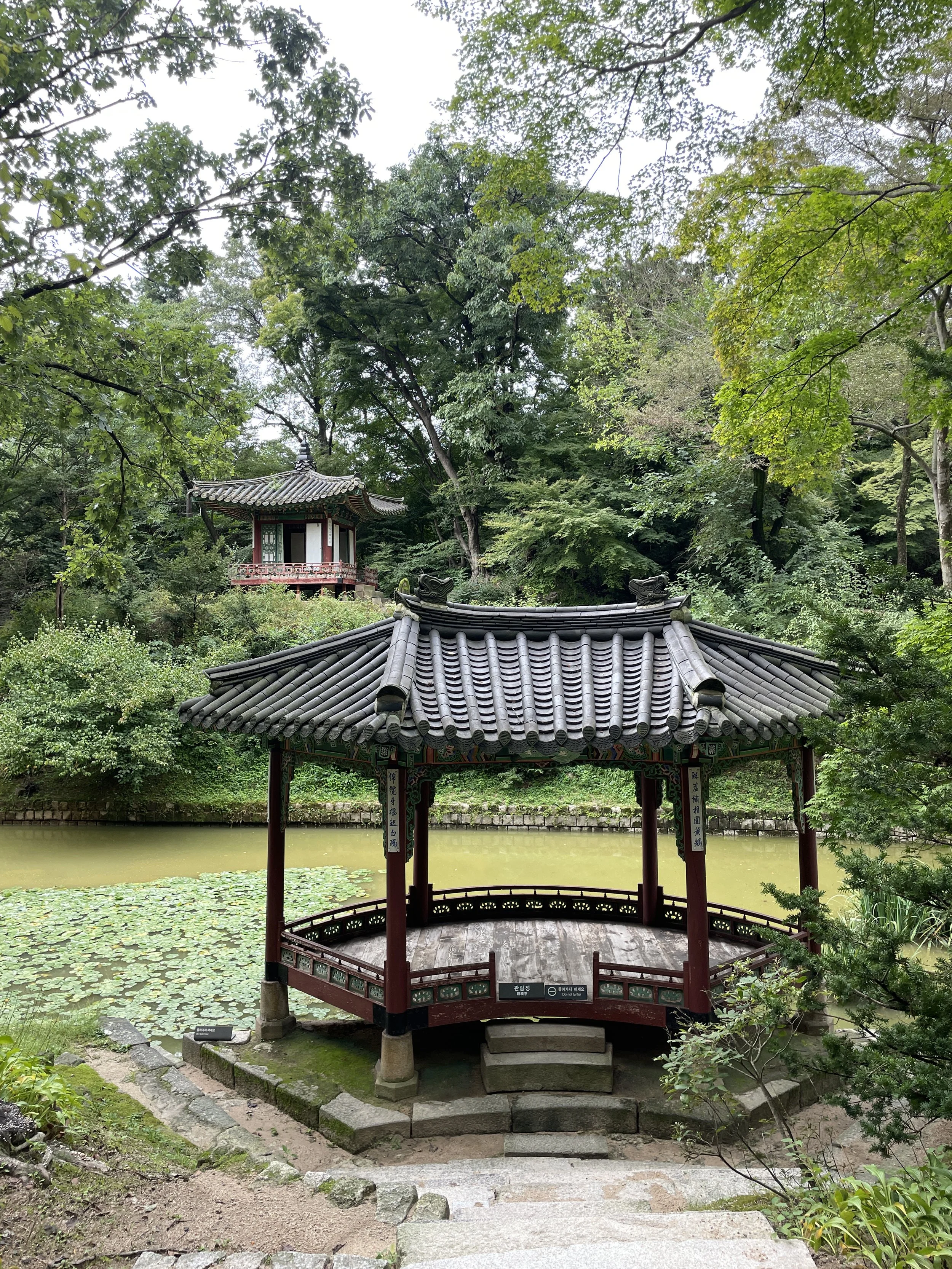
The Secret Garden is located within Changdeokgung Palace and was once reserved exclusively for the royal family. Rather than functioning as a decorative garden, it served as a private retreat for study, reflection, and ceremonies.
Access to the Secret Garden is limited:
Entry requires a separate, timed entry ticket in addition to palace admission
Tours are offered in several languages
Daily capacity is capped, so tickets often sell out
Whether or not the Secret Garden is worth adding depends on your travel style, timing, and interest in Joseon history, but you can read my blog on whether or not I think it’s worth visiting here as well as a walk through of the Secret Garden here.
Visiting Changdeokgung and Changgyeonggung Together
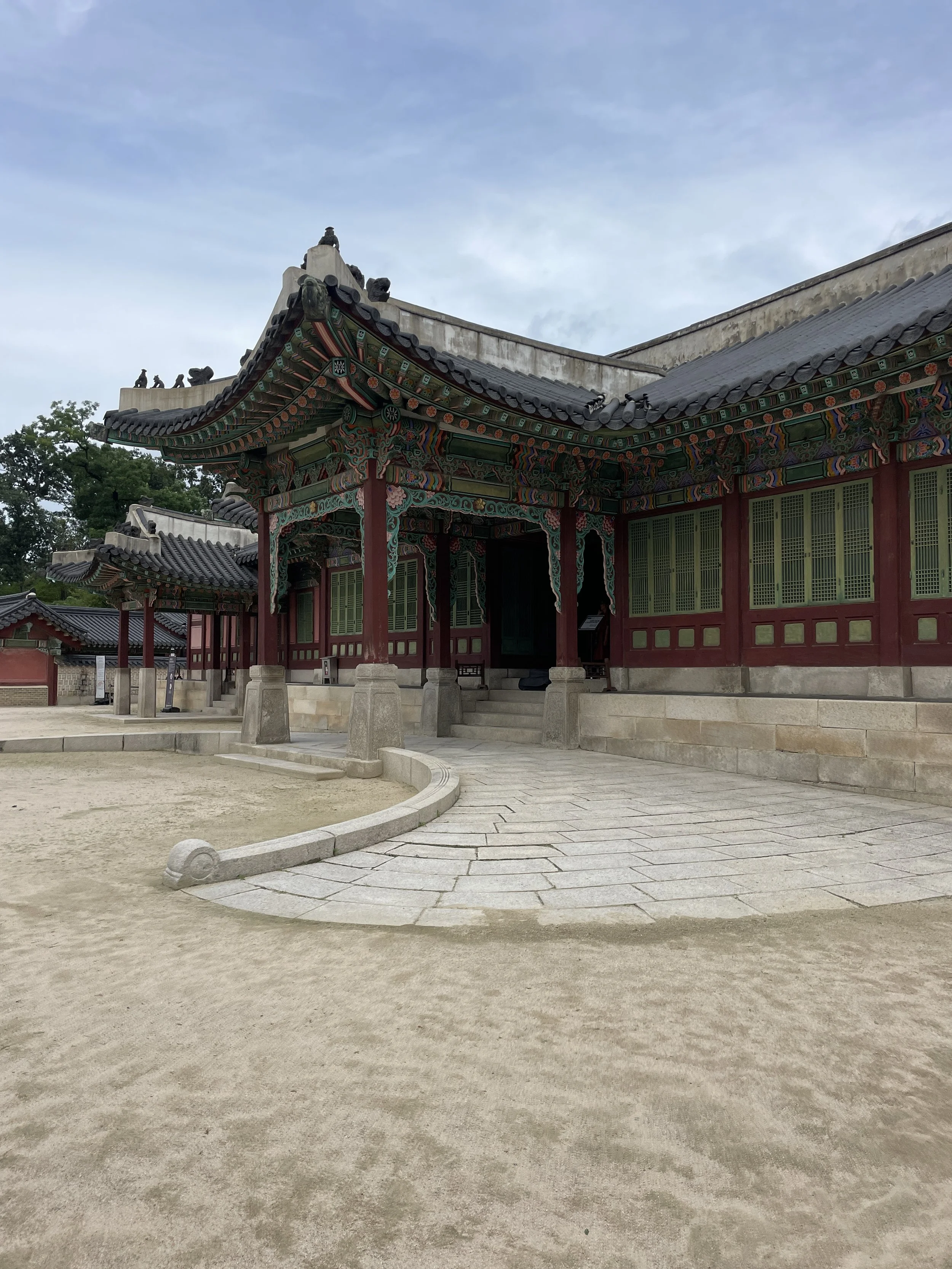
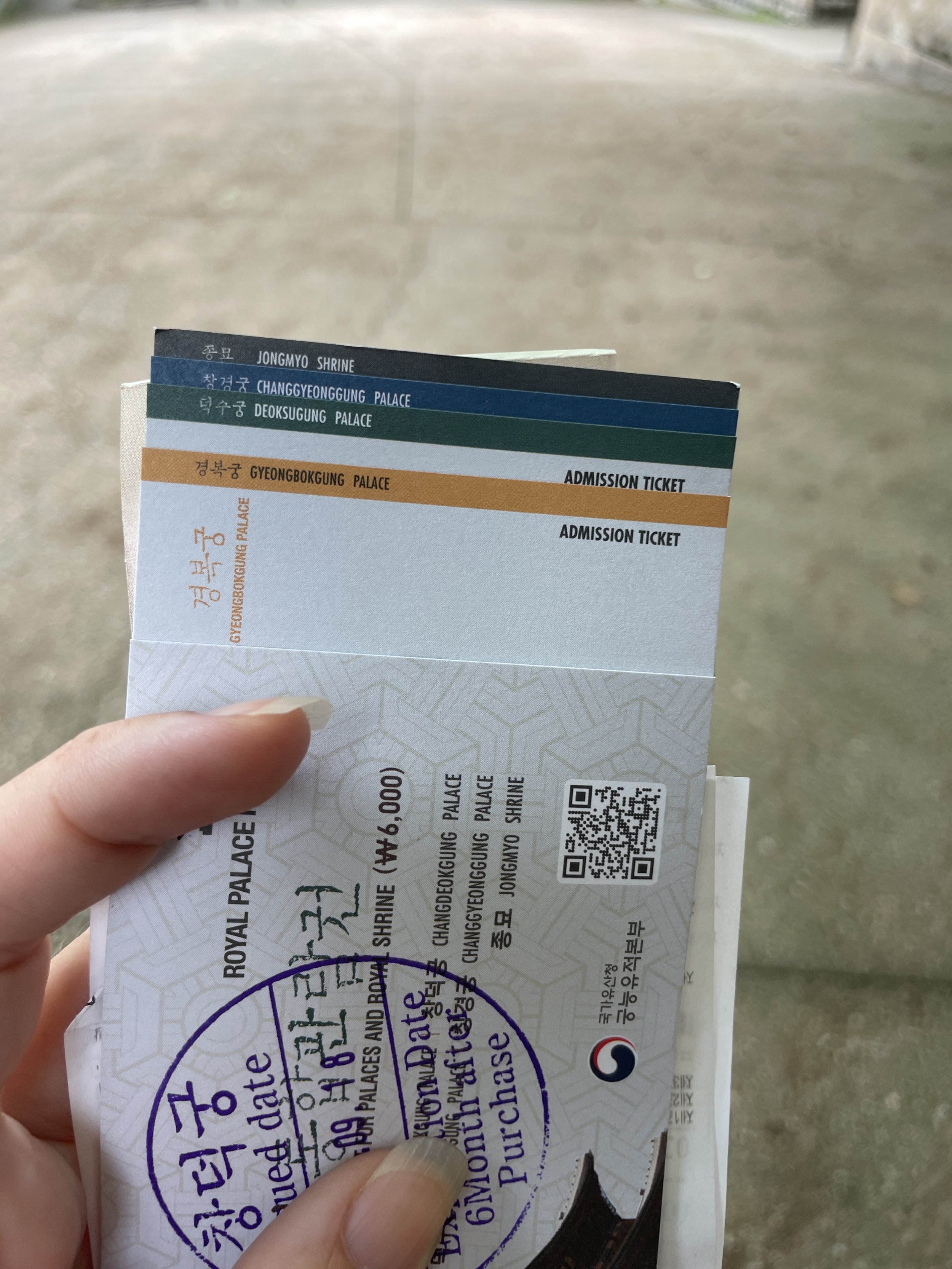
Changdeokgung is included in Seoul’s Royal Palace Pass, which grants access to all five grand palaces. For travelers planning to visit multiple sites, the pass offers both convenience and savings.
Changdeokgung is directly connected to Changgyeonggung Palace via an internal passage, making it one of the easiest palace combinations in Seoul. Many visitors don’t realize they can walk seamlessly between the two without exiting and re-entering through separate gates - although a ticket is needed for each palace. Changgyeonggung historically functioned as a secondary residence, particularly for queens and royal family members, and its open layout contrasts nicely with Changdeokgung’s wooded atmosphere.
Just a short walk from Changdeokgung is Jongmyo Shrine, another UNESCO World Heritage Site included in the Royal Palace Pass. While not a palace, Jongmyo played an essential role in Joseon society as the site of royal ancestral rites.
Pairing Changdeokgung with Jongmyo provides important historical context — showing not just where kings lived, but how they honored lineage and Confucian tradition.
Opening Hours & Admission
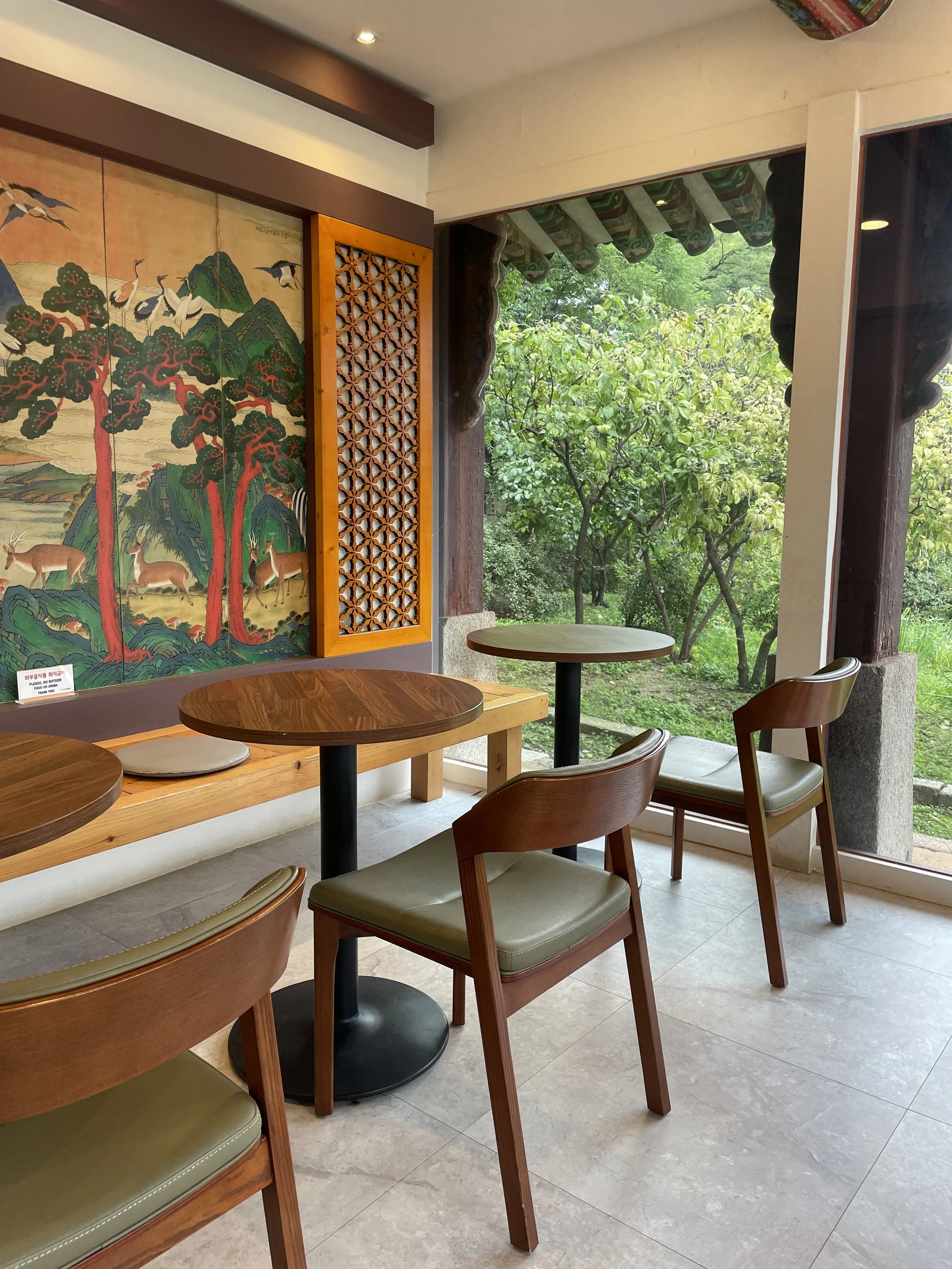
Loved the interior of this cafe/gift shop inside Changdeokgung.
I recommend grabbing the earliest slot for The Secret Garden so you have a chance to walk through Changdeokgung beforehand. From the main gate to the Secret Garden is roughly a 10 minute walk.
Hours: Opens at 9:00am and closes between 16:30-17:30 depending on the time of year
Last admission: 1 hour before closing
Admission fee: 3,000 KRW (and free if wearing hanbok)
Closed: Mondays (always double-check seasonally)
Be sure to check the Royal Palaces and Tombs Center website for the most accurate information.
Naver pin for the gate to access Changdeokgung.
This is the line up I have coming for my Seoul Royal Palaces Series. I’ll update links as each post goes live!