Hiking The Seoul City Wall: Naksan Mountain Trails & Heunginjimun Gate Trail
The Naksan Trail was the very first section of the Seoul City Wall that I ever hiked. Several years ago, a friend and I set out to explore Hanyangdoseong and this trail was a great first introduction.
In my opinion, Naksan is the most accessible. The trail follows the ridgeline of Naksan, the lowest of Seoul's four inner mountains, making it an easy walk for families, first-time visitors, and anyone looking to experience the wall without tackling a strenuous hike.
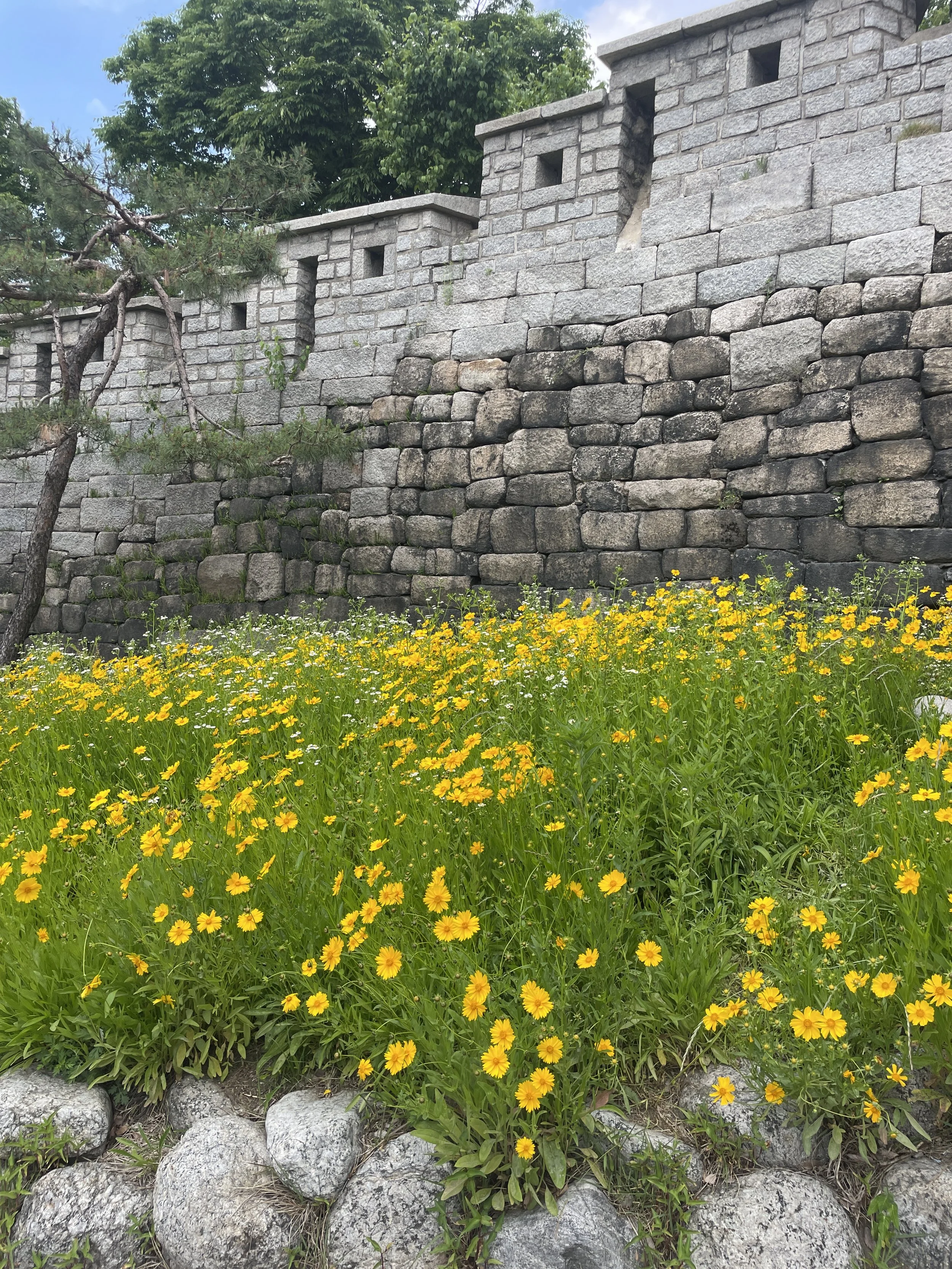
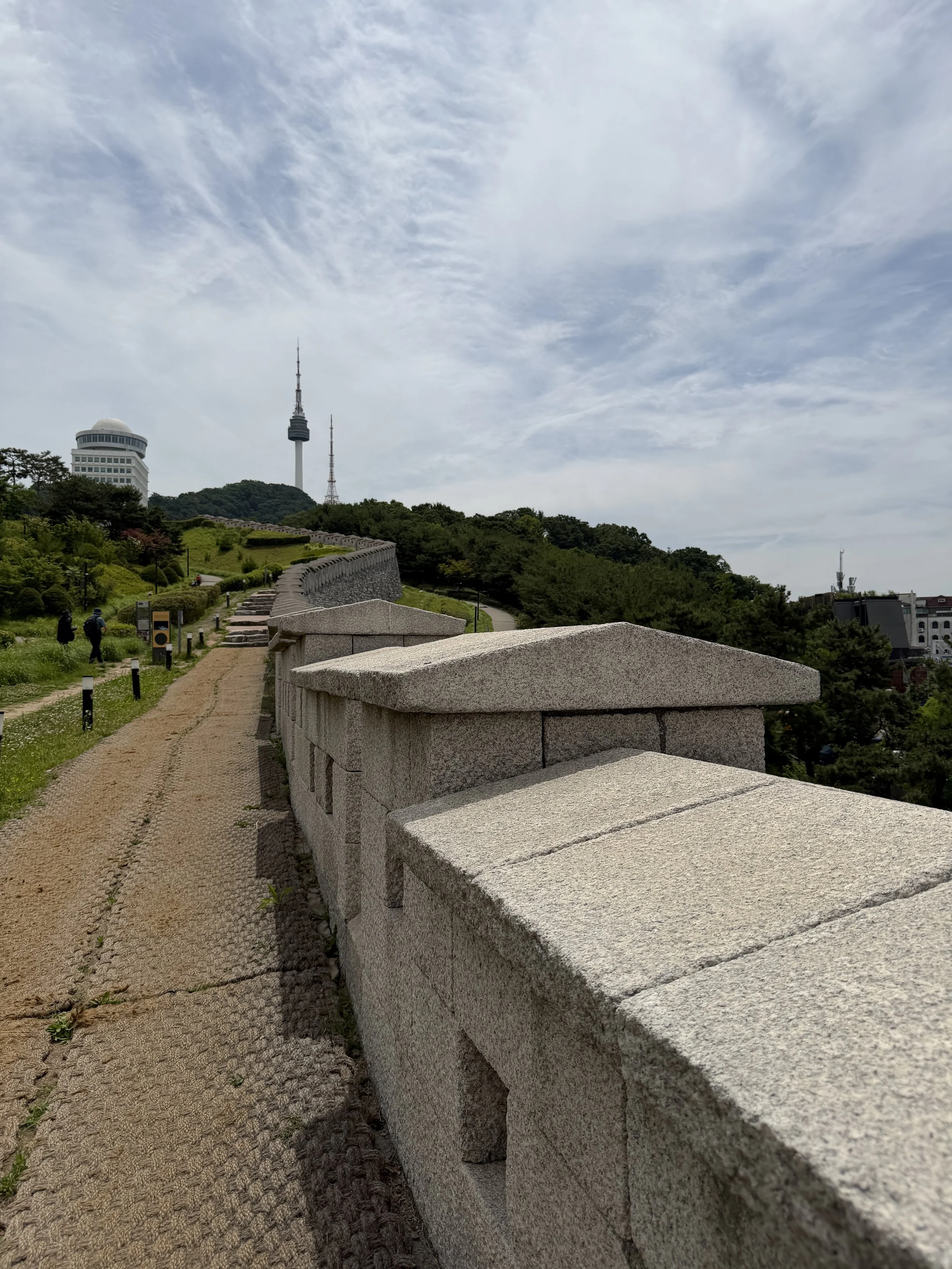
Historic stone walls of Hanyangdoseong on the Naksan Trail
What makes this section special is the contrast between old and new Seoul. As you follow the restored fortress wall, you'll enjoy sweeping views of the city skyline, glimpse the surrounding mountains that once protected the capital, and pass through neighborhoods where modern apartment buildings stand beside centuries-old stone fortifications. It's one of the easiest sections of the Hanyangdoseong.
Naksan Trail + Heunginjimun Gate Trail Overview
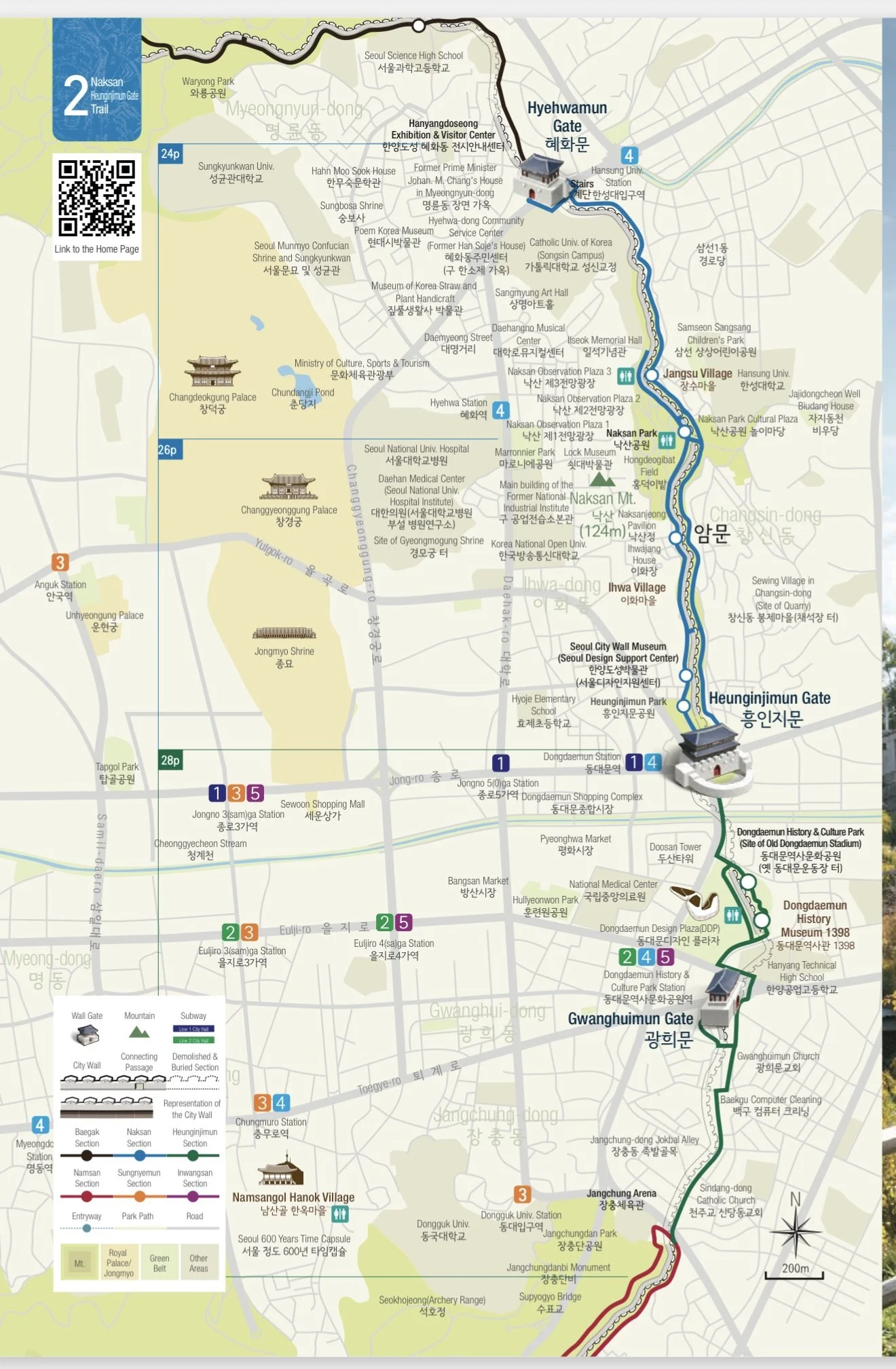
Distance: Approximately 2.1 km Naksan / 1.8 Heunginjimun Gate
Difficulty: Easy
Time Required: Approximately 1 hour each, 2 hours total
Route: Hyehwamun Gate to Jangchung Arena
Unlike the steeper mountain sections of the Seoul City Wall, these trails are accessible to nearly everyone. There are stairs in some areas, but the elevation gain is minimal compared to Baegaksan or Inwangsan. The trail is well-marked and close to public transportation..
Getting to the Trailhead
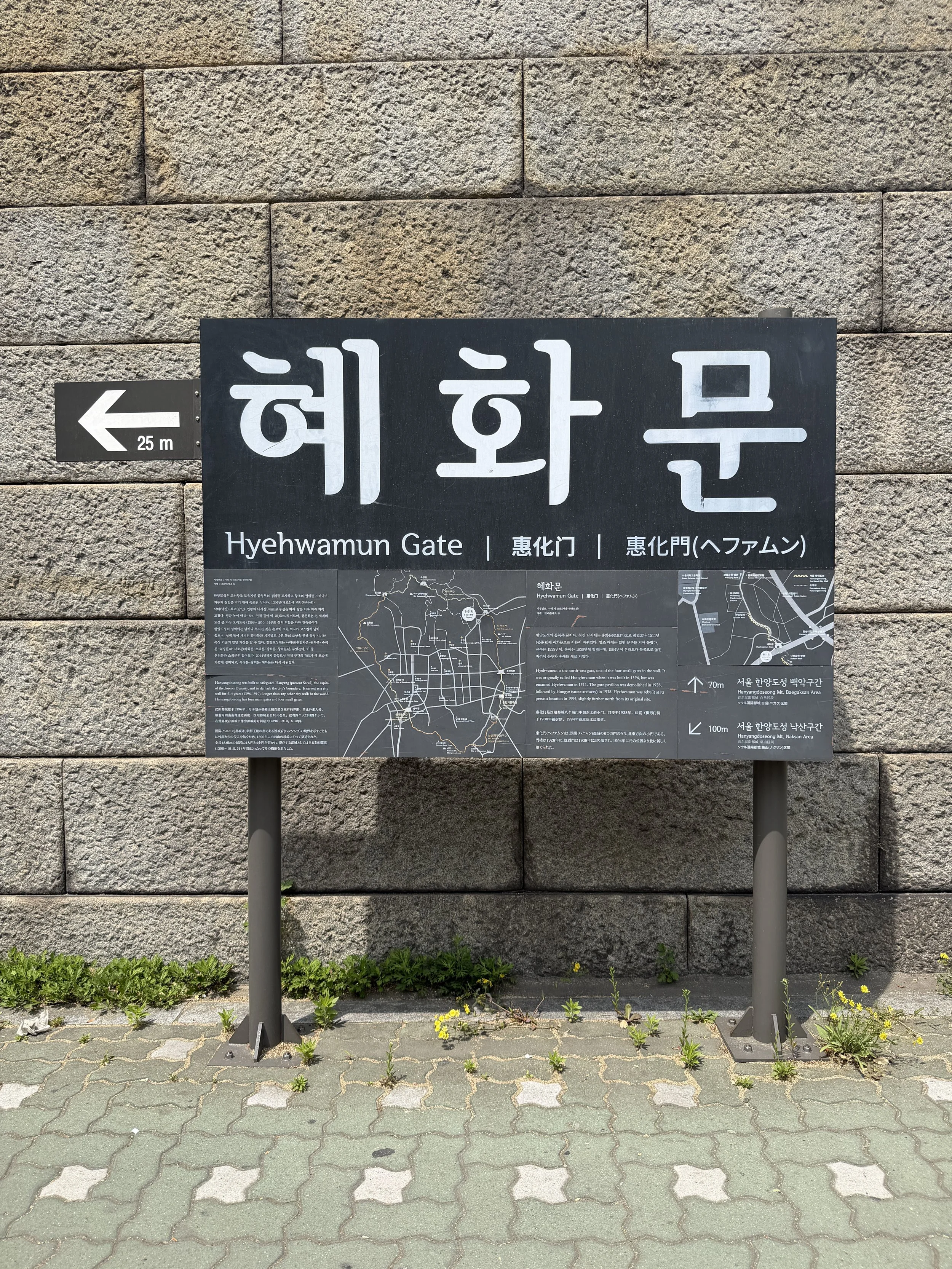
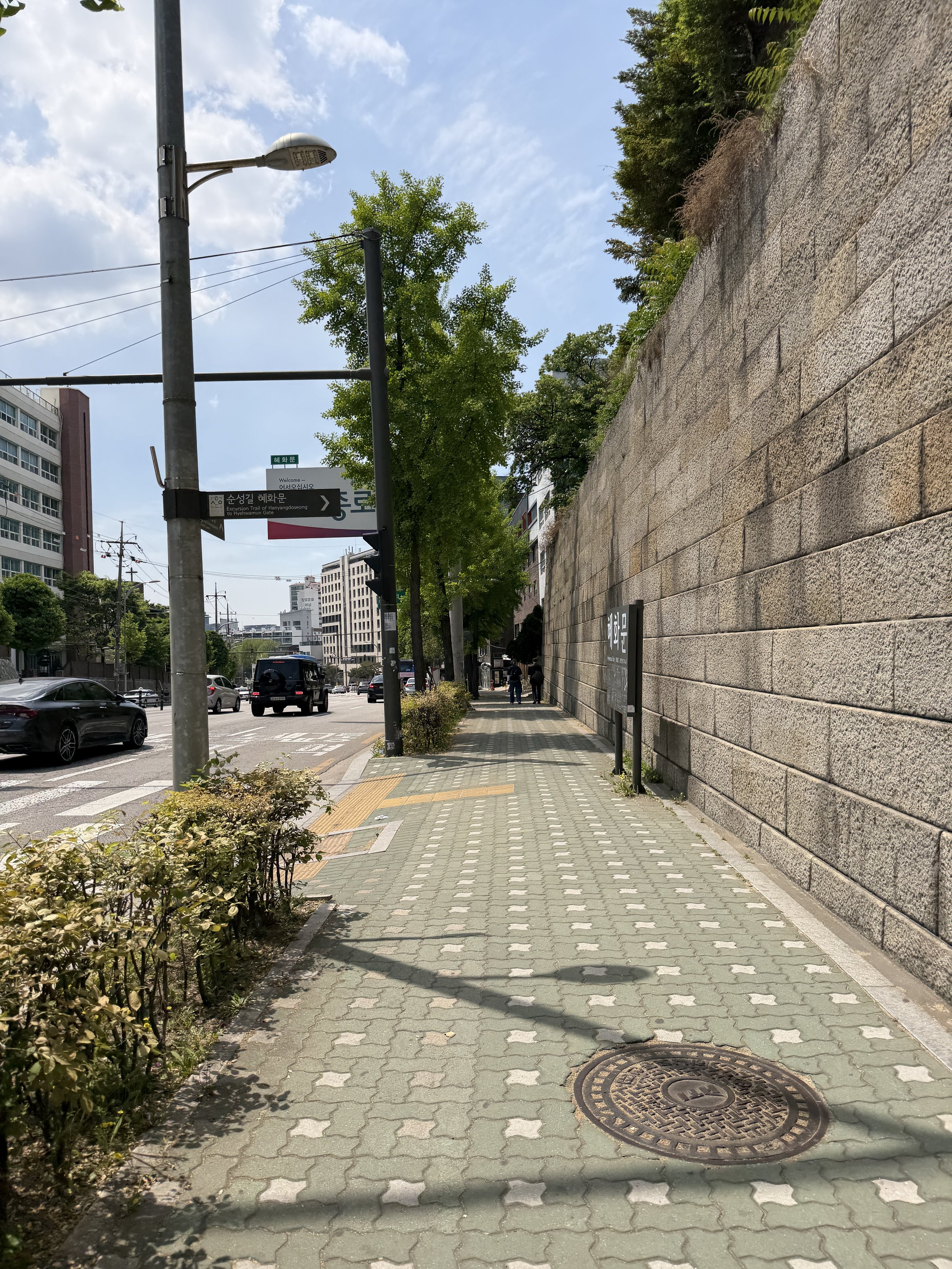
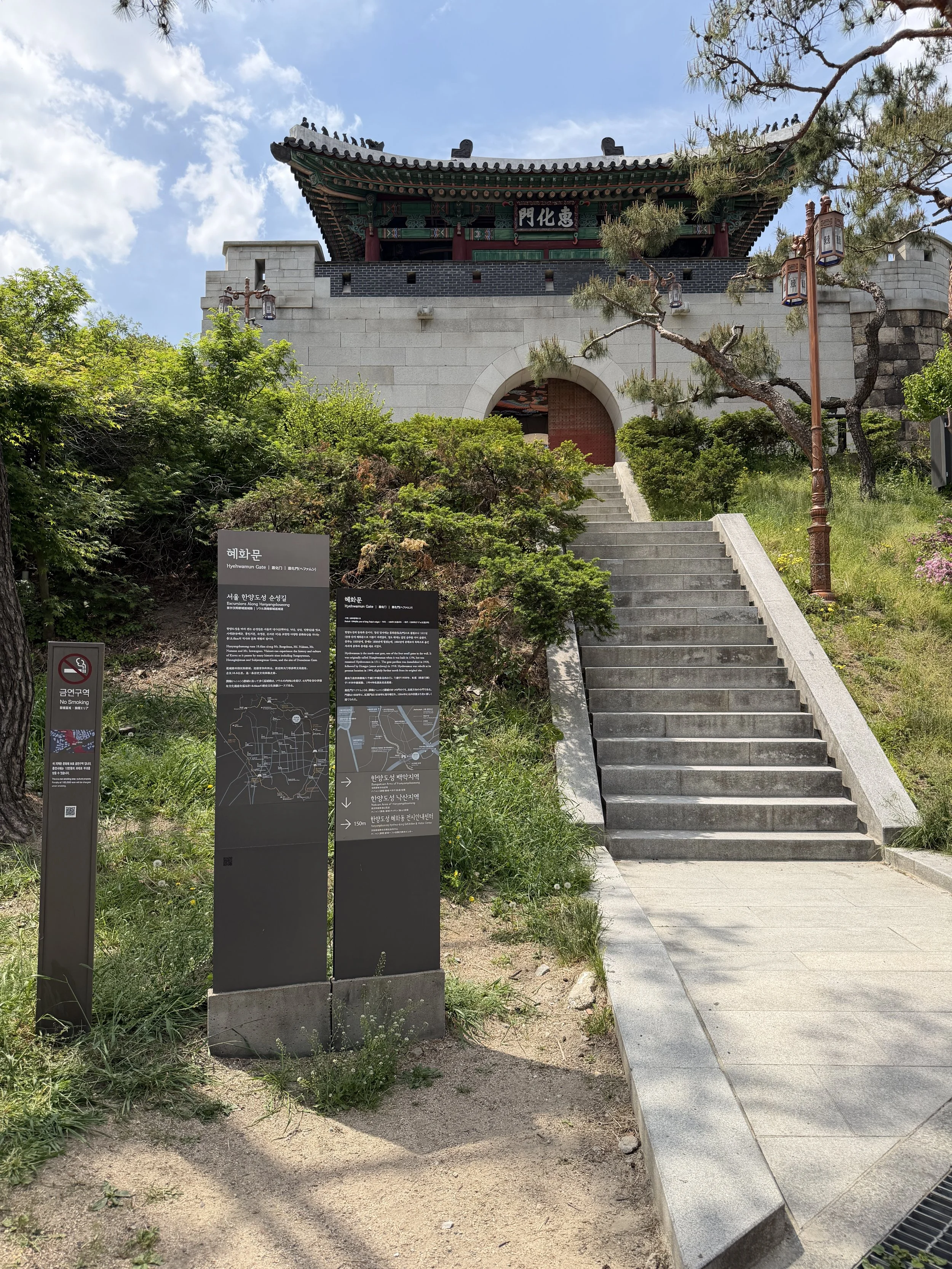
The Naksan Trail begins at Hyehwamun Gate, the northeastern gate of the Seoul City Wall. Hyehwamun is easily reached from Hansung University Station and serves as the transition point between the Baegaksan and Naksan sections of the wall.

Directly behind that white car is the entrance for the Naksan trail. Directly behind me is Hyehwamun Gate.
If you're hiking the entire Seoul City Wall in sections, this is a natural continuation from the Baegaksan Trail. However, if you’re going to the trailhead just to start Naksan, then you need to know that the trail starts ACROSS the street from Hyehwamun Gate.
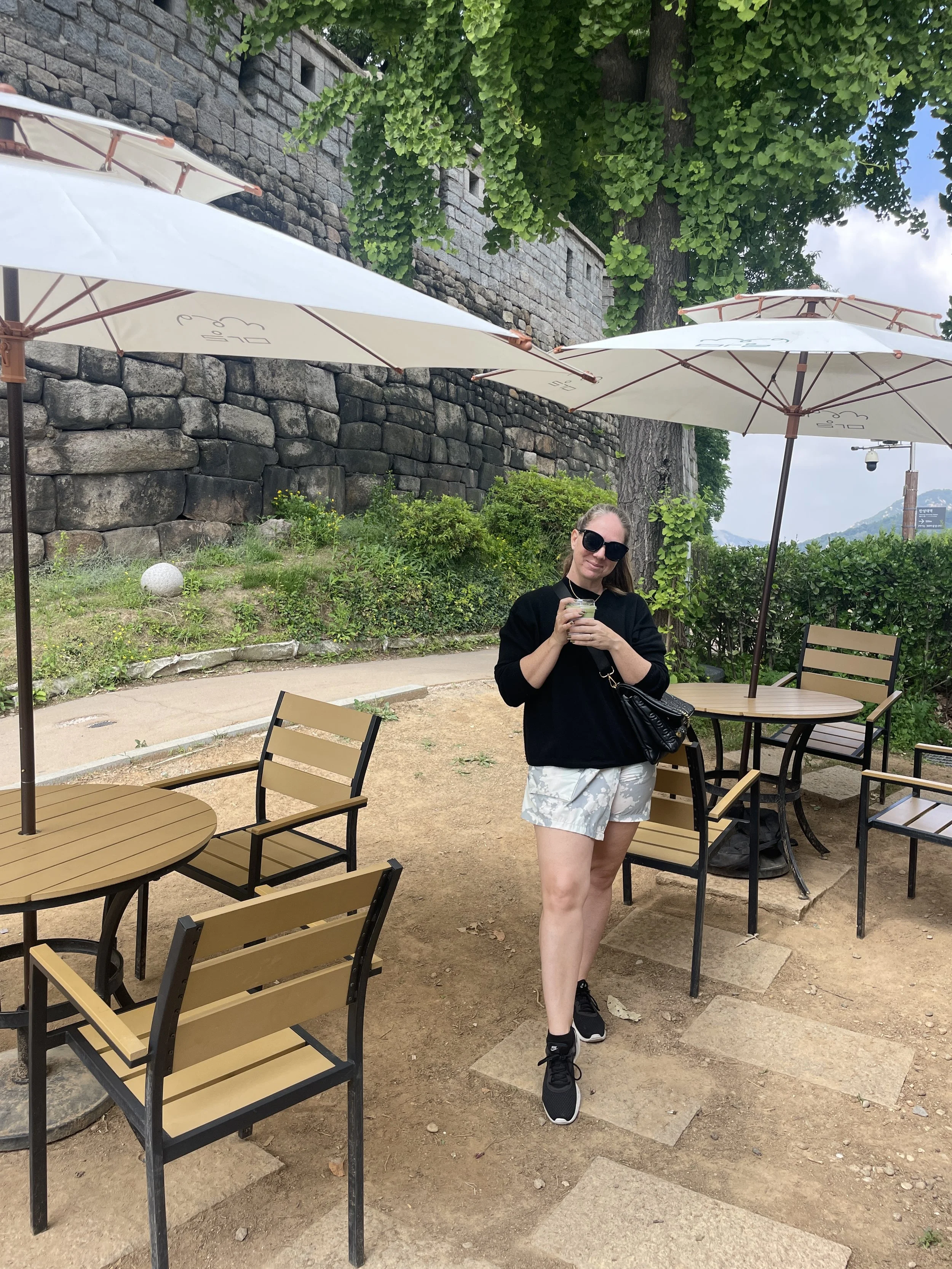
After an initial set of stairs, the trail begins a gentle climb along the restored fortress wall. Unlike the forested atmosphere of Baegaksan, the city remains in view. Residential neighborhoods spread out below while the stone wall guides the way toward Naksan. There were even cafes right along the trail.
One of the things I appreciated most about this trail was how easy it was to follow. The wall itself serves as a guide for much of the route, and there are numerous signs directing visitors toward Naksan Park and Heunginjimun Gate. Even first-time hikers should have little trouble staying on course.
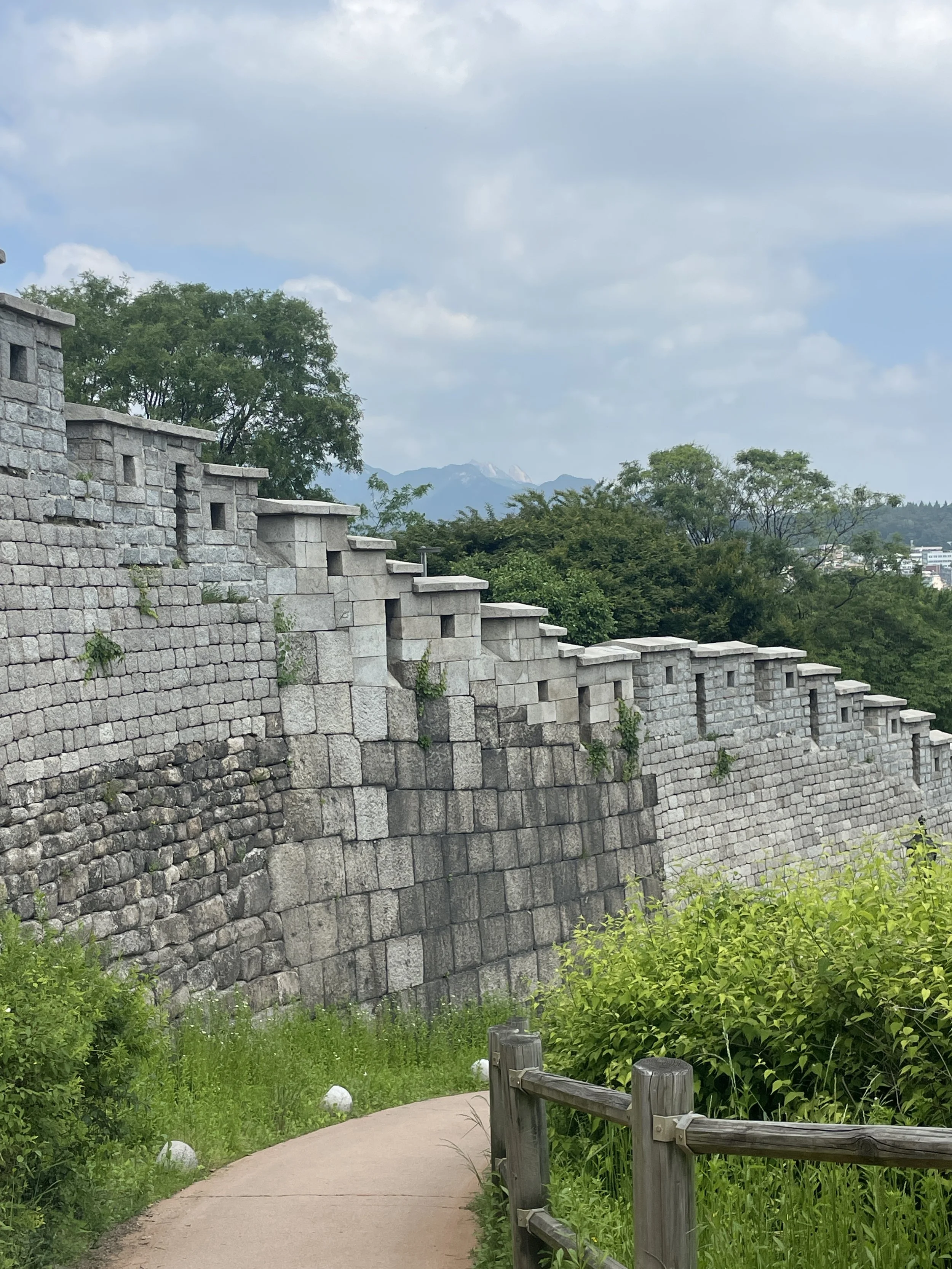
Historic stone walls of Hanyangdoseong on the Naksan Trail
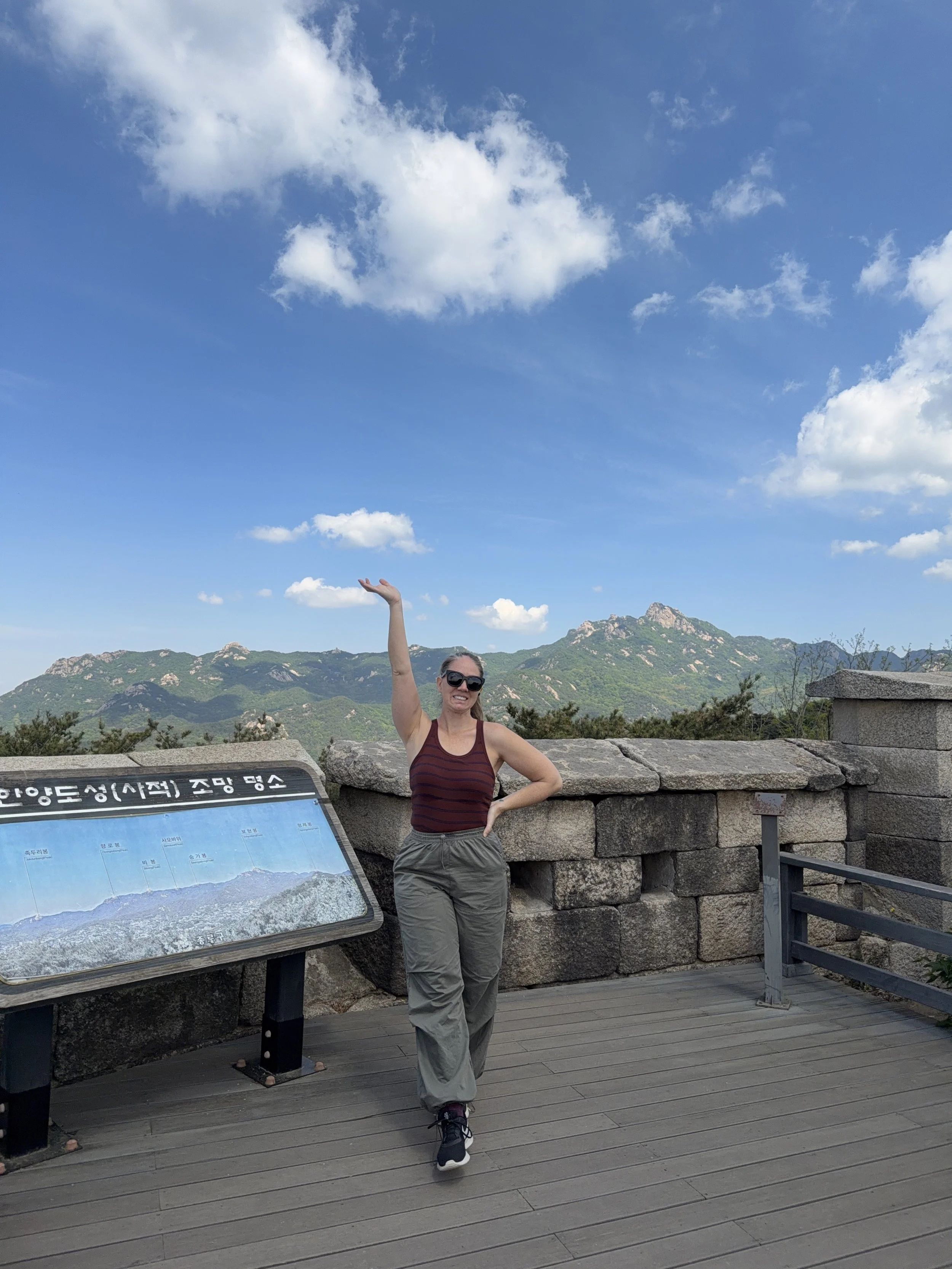
As you gain elevation, views begin to open across Seoul. Looking north, you can see Baegaksan rising above the city. To the west, Inwangsan dominates the skyline, while Namsan and N Seoul Tower are visible in the distance. Because Naksan rises to only 125 meters (410 feet), the climb is short and manageable.
Naksan Park and Some of the Best Views in Seoul
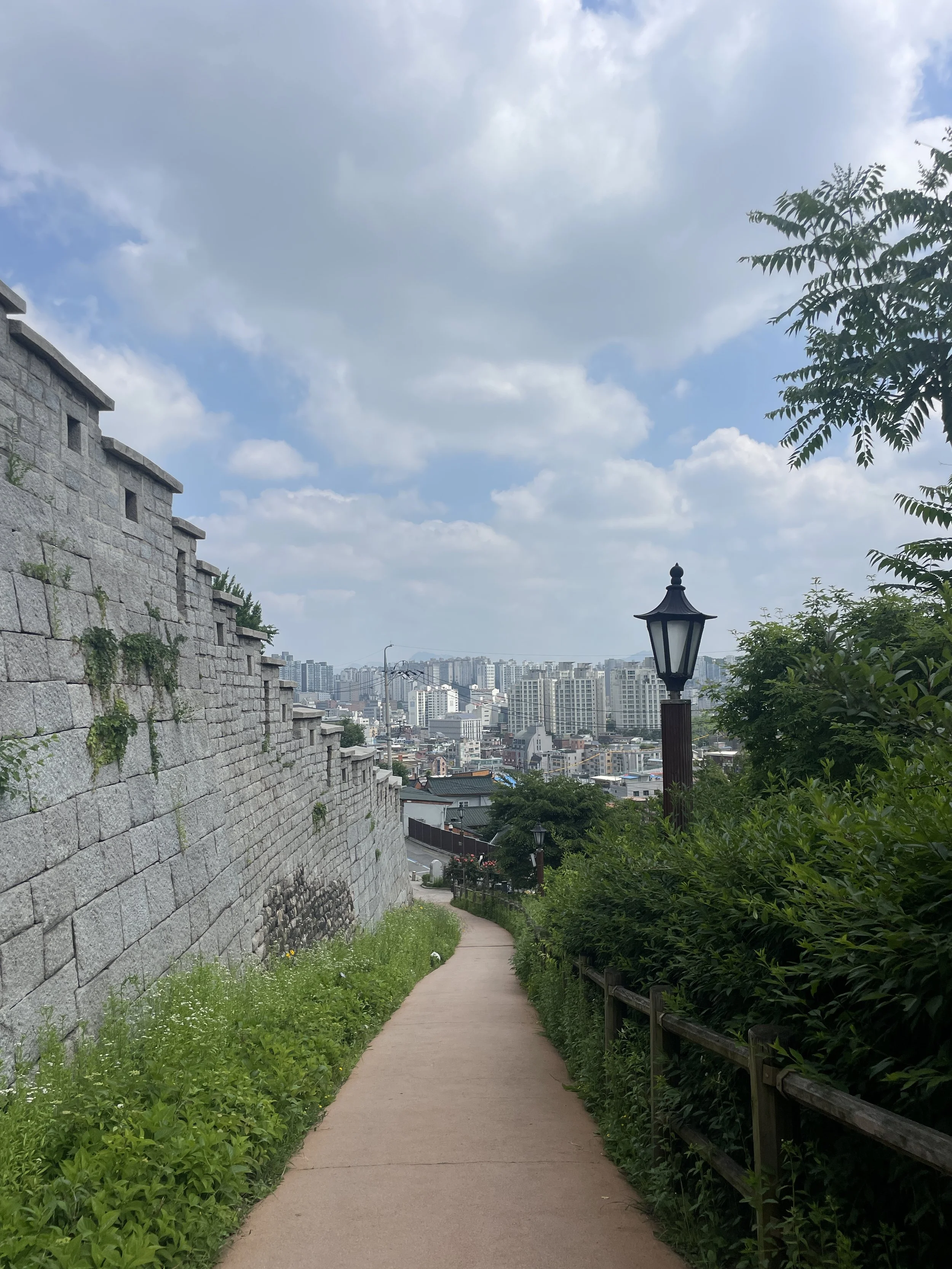
Naksan Park is often the highlight of the trail. The restored wall stretches along the ridgeline, creating a dramatic scene as it winds above the city. From the observation areas, visitors can enjoy panoramic views across central Seoul, with mountains framing the skyline in nearly every direction.
The park is especially popular in the evening when the city lights begin to appear. The illuminated fortress wall creates one of the most photogenic scenes along the entire Hanyangdoseong. If your schedule allows, consider timing your hike for late afternoon so you can experience both daylight views and sunset over the city.
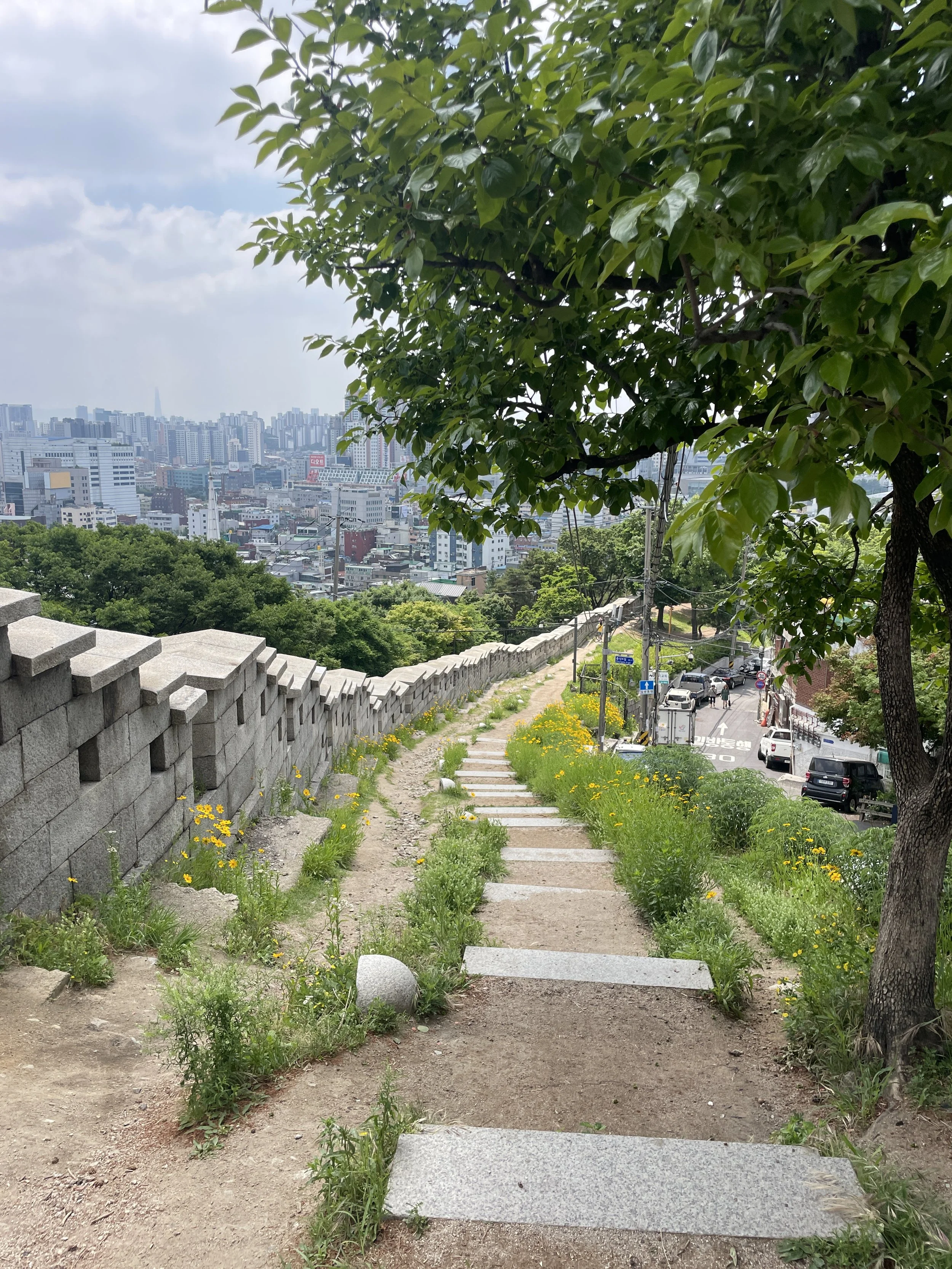
From Naksan Park, the trail gradually descends toward Heunginjimun Gate, more commonly known as Dongdaemun, and the Eastern gate of Hanyangdoseong. The ancient wall winds through modern neighborhoods where apartment buildings, schools, and local businesses stand just beyond the historic stonework. Hikers are asked to be silent due to the residential area.
As the trail descends, the skyline grows closer and the urban energy becomes more noticeable. The transition from peaceful park paths to bustling city streets happens gradually, making the arrival at Heunginjimun feel all the more dramatic.
Heunginjimun Gate (Dongdaemun)
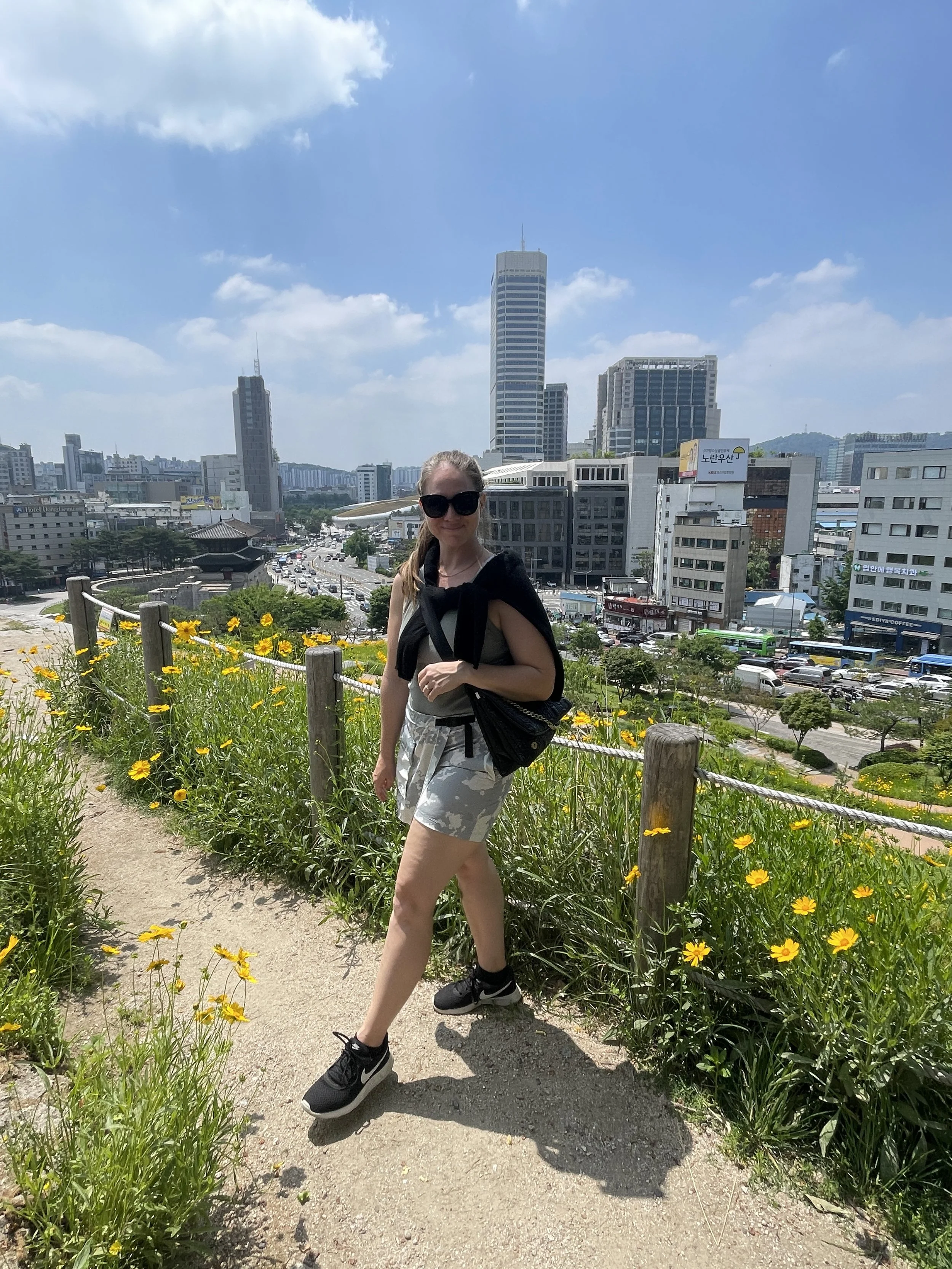
As one of the Four Great Gates of Seoul, Heunginjimun served as the primary eastern entrance to the capital during the Joseon Dynasty. What makes this gate particularly unique is its ongseong, a semicircular defensive wall built in front of the gate for additional protection. As the eastern parts of Hanyangdoseong sit lower, Heunginjimun was more vulnerable to attacks.
Today, the gate sits in the middle of one of Seoul's busiest districts. Surrounded by traffic, shopping centers, and the futuristic architecture of Dongdaemun Design Plaza, Heunginjimun serves as a striking reminder of the city's long history.
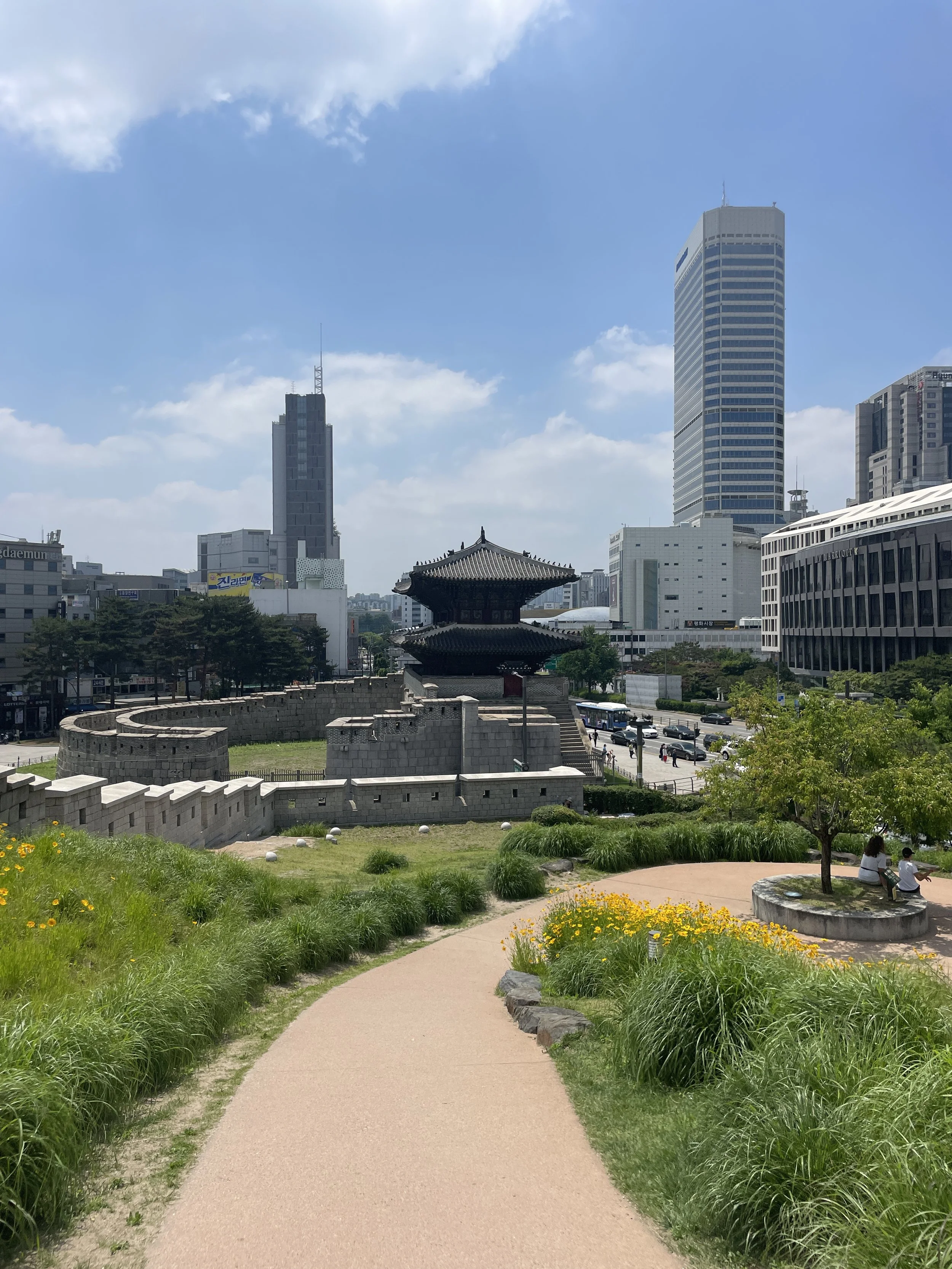
Heunginjimun Gate (Dongdaemun) at the eastern section of the Seoul City Wall
I’ve said it time and time again, but the contrast between a 600-year-old defensive structure and the modern city that surrounds it perfectly captures what makes the Seoul City Wall so fascinating.
The Heunginjimun Gate Trail
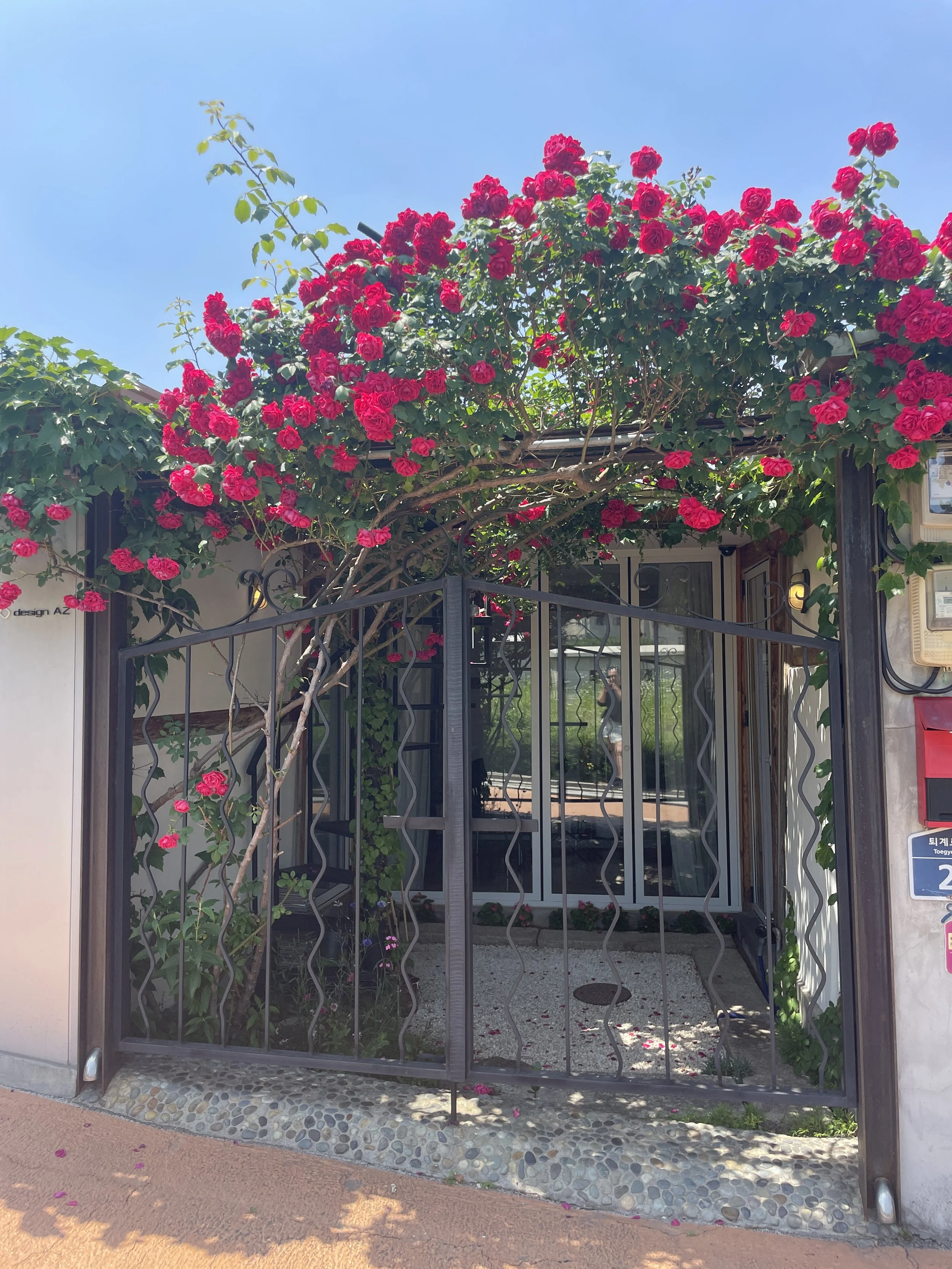
This section connects Dongdaemun with Jangchung Arena and serves as the link between the Naksan and Namsan courses. Unlike the mountain sections of the Hanyangdoseong, most of the original wall through central Seoul has disappeared as the city expanded over the centuries. As a result, this portion of the route feels more like an urban walk than a traditional hike.
After leaving Heunginjimun Gate, you'll follow sidewalks and city streets through some of Seoul's busiest neighborhoods while watching for Hanyangdoseong trail markers that guide the way.
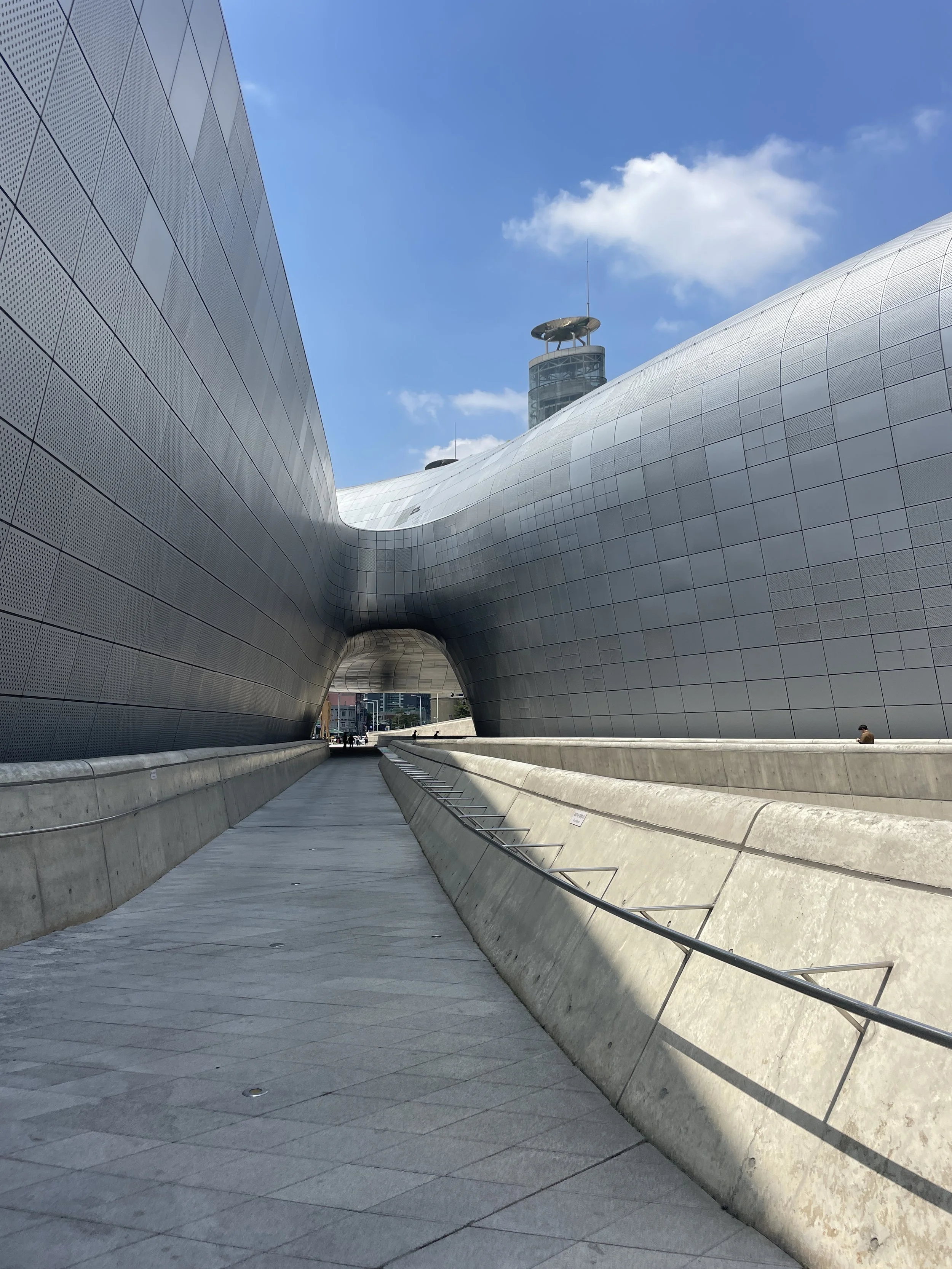
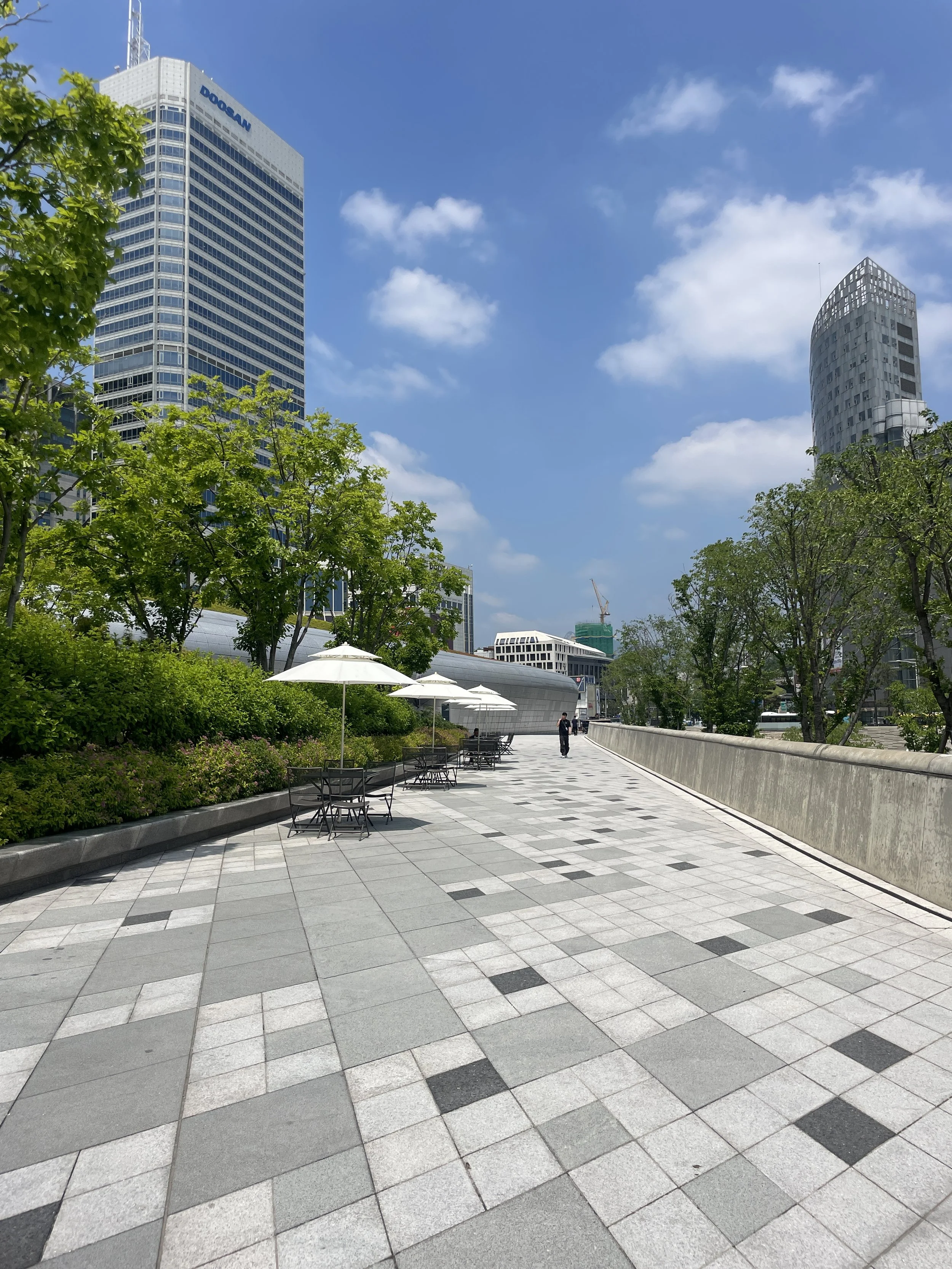
As the route heads south, it passes through the Dongdaemun area before weaving through residential streets and commercial districts. Along the way, you'll gain a different perspective on the Hanyangdoseong. Rather than focusing on preserved fortifications, this section highlights how modern Seoul developed around the former city walls and how traces of that history remain woven into the urban landscape.
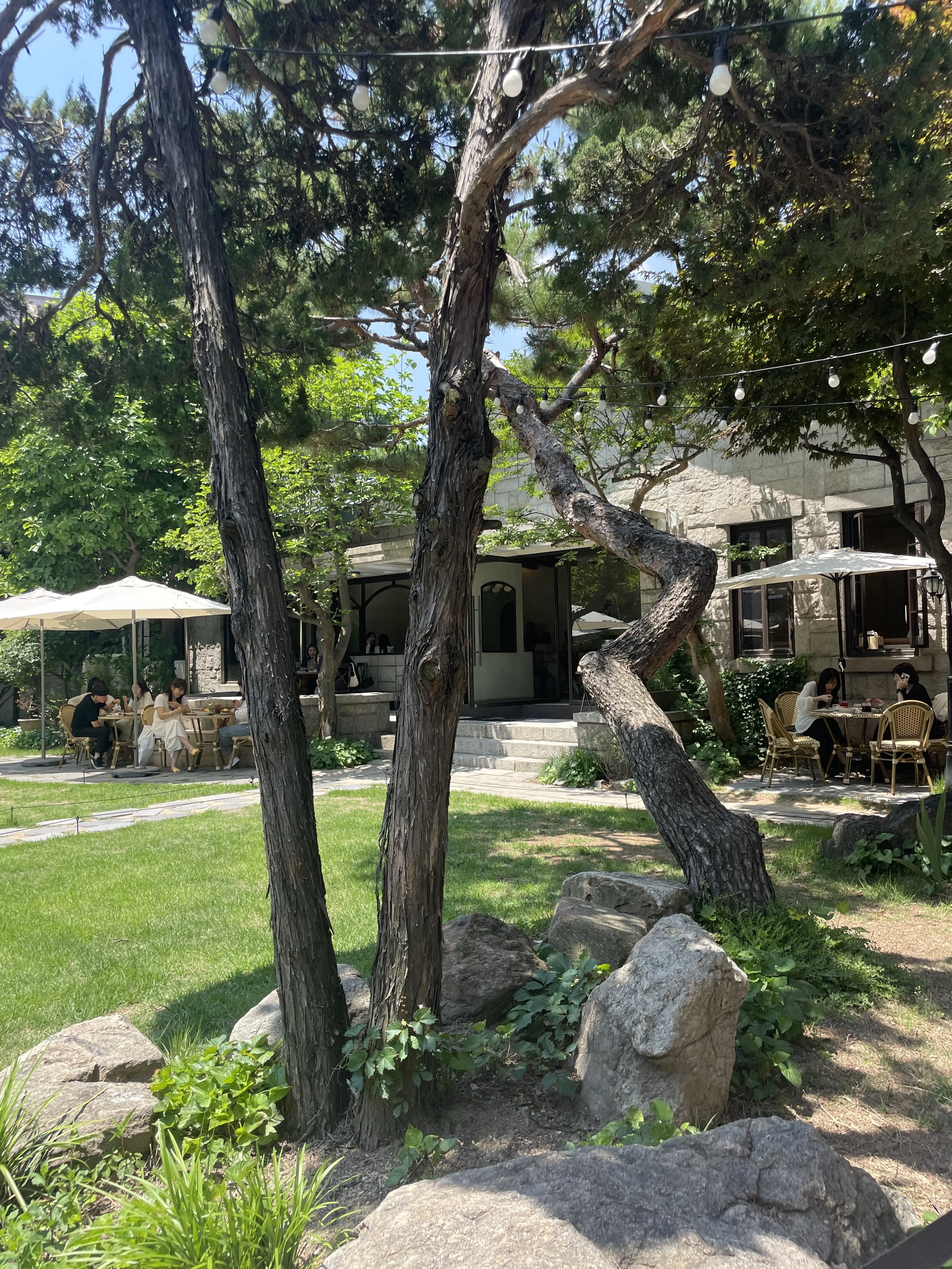
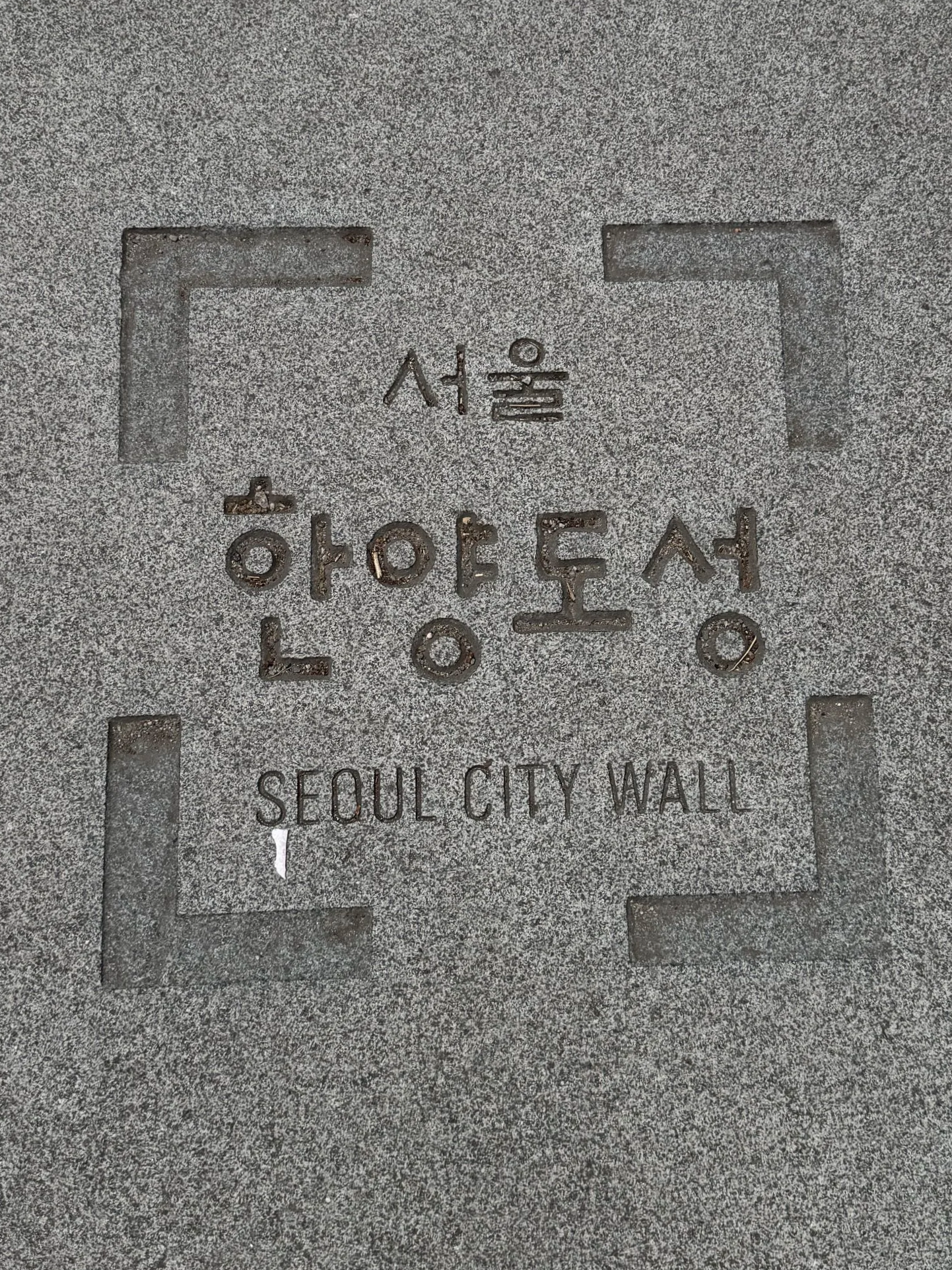
Fortunately, just as on other sections, the route is well marked and you can follow the distinctive medallions embedded in the sidewalks, signs mounted on utility poles, and directional markers pointing toward the next section of the trail.
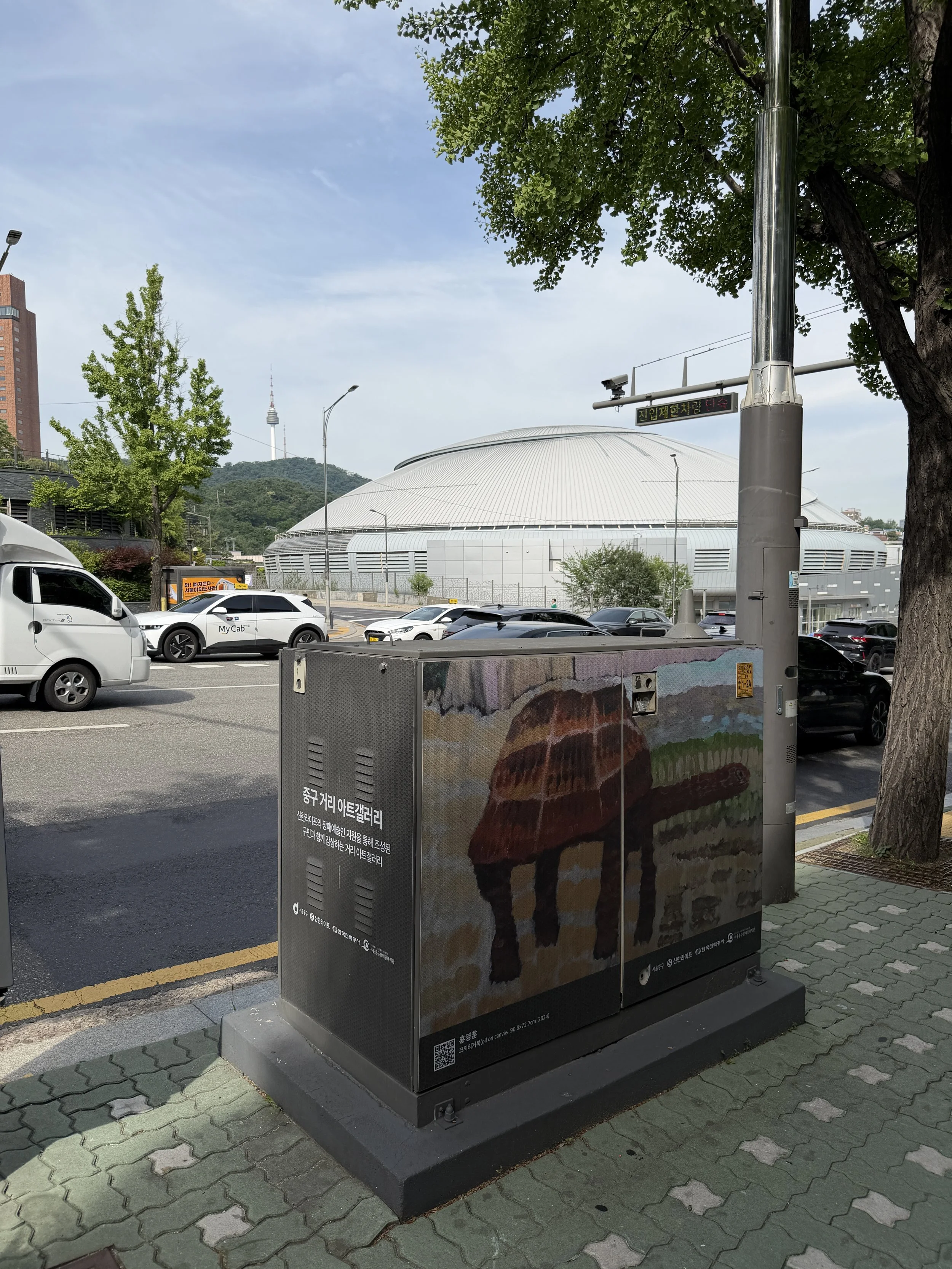
The domed building is Jangchung Arena
The walk concludes at Jangchung Arena, where the Namsan Trail begins and the wall reappears. Here, the character of the route changes once again as the city gives way to wooded hillsides and the climb toward Namsan.
Continue Exploring the Seoul City Wall
If you'd like to explore more sections of the Hanyangdoseong, I've written guides for the other Seoul City Wall hikes as well. Each course offers a completely different experience, from the rugged granite peaks of Inwangsan to the forested slopes of Baegaksan and the scenic climb up Namsan.
You can start with my complete overview of the Hanyangdoseong, which includes the history of the wall, information on all six hiking courses, and tips for planning your own journey around Seoul's 18.6-kilometer fortress.
Read next:
Whether you're hiking a single section or working toward completing the entire route, the Seoul City Wall offers one of the best ways to experience Seoul's history, mountains, and neighborhoods all in a single journey.