Around Korea: March First Movement
One thing about having kids in the Korean school system is that you'll soon learn all of the Korean Red Days — aka public holidays. One of the first ones expat parents notice is March 1 (Samiljeol) as the new school year won’t begin until after March 1st passes.
What Was the March First Movement?
The March First Movement in 1919 was a nationwide, peaceful protest by Koreans demanding independence from colonial rule by Japan.
At the time, Korea had been under foreign control for nearly a decade. Inspired by global calls for self-determination after World War I, Korean leaders organized coordinated demonstrations across the country. What began in Seoul quickly spread to towns and villages nationwide over the next month.
Students, religious leaders, shopkeepers, and families gathered to read the Korean Declaration of Independence and shouted “Manse!” — which means “Long live Korean independence!” The protests were intentionally peaceful but the response was not. Thousands were arrested, injured, or killed during the crackdown.
Why Samiljeol Still Matters in South Korea
Even though independence didn’t come immediately, the March First Movement reshaped Korean history. It unified people across regions and social classes, strengthened national identity, and helped lead to the creation of the Provisional Government of the Republic of Korea, which continued the independence movement from abroad.
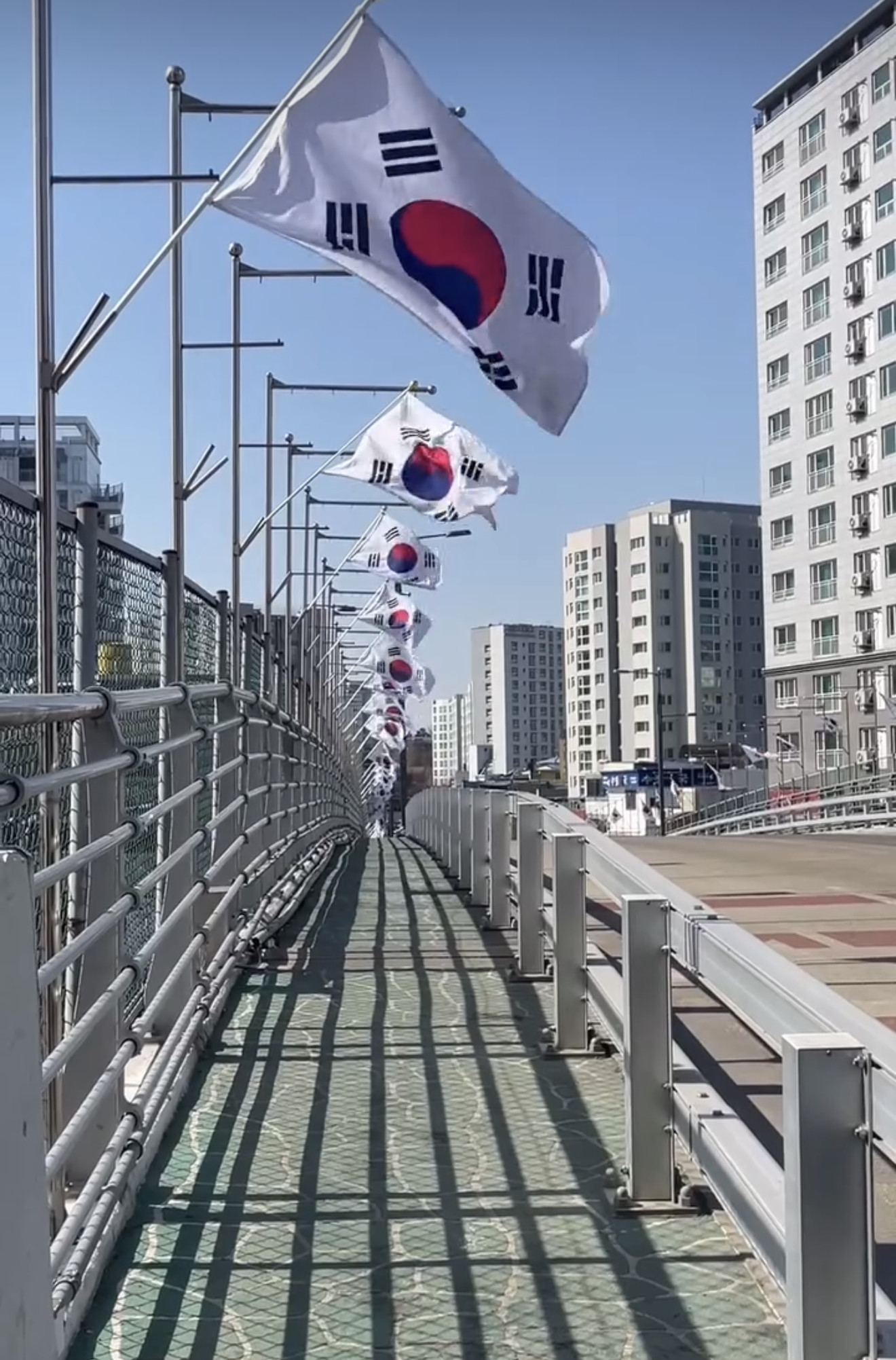
Today, Samiljeol is one of South Korea’s most meaningful national holidays. You’ll see Korean flags (taeguk) lining streets and news coverage reflecting on the sacrifices people made in 1919. It’s not just a day off, it’s a day of remembrance.
If you’re looking for a way to share this day with your children here’s a kid-friendly explanation:
A long time ago, Korea was being controlled by another country called Japan. On March 1, lots of people went outside and peacefully said, “We want our country to be free.” They didn’t fight — they used their voices. Even though it was scary and some people got hurt, they were very brave. Today, we remember them because they helped Korea become its own country again. .
A Quick Hangul Lesson: What “Samiljeol” Means
Here’s a fun little language lesson if you’re still getting familiar with Hangul. The holiday name 삼일절 (Samiljeol) can be broken into three pieces:
삼 (sam) = three
일 (il) = one, in this context (also means “day”)
절 (jeol) = holiday or festival day (a word suffix used for special days)
Put together, Samiljeol literally means “3–1 festival day” - or more naturally, “March 1st Holiday.”
Little language discoveries like this are one of my favorite things - they’re simple, but they make everyday life feel more connected to the culture you’re living in.
What Are “Red Days” in Korea?
In Korea, public holidays are often called “Red Days” because they’re marked in red on calendars. On these days, schools and government offices are closed. Don’t be surprised if neighborhood mom-and-pop shops, clinics, and small businesses take the day off too - especially on major holidays like Samiljeol. Big chains and malls may stay open, and will be extra busy, but local spots often use Red Days as rare rest days.