What It’s Really Like Sending Your Child to a Korean Kindergarten
Being able to choose your children’s education is a privilege.
For many American, military-affiliated, and expat families living overseas—especially in South Korea—it’s also a challenge.
Alongside familiar options like Department of Defense schools and international academies, families with younger children have another unique choice: enrolling them in a local Korean kindergarten, or yuchiwon (유치원).
For many parents, the idea feels both exciting and intimidating. On one hand, Korean kindergartens offer full cultural immersion, rapid language acquisition at a formative age, and a structured environment known for emphasizing respect, community, and early academics. On the other, navigating a school system conducted entirely in Korean can feel like stepping into uncharted territory - especially when most communication happens through apps like KidsNote, where translations are often imperfect, and tools like Google Translate and Papago quickly become a parent’s best friend.
Why Choose Yuchiwon for Your Child?

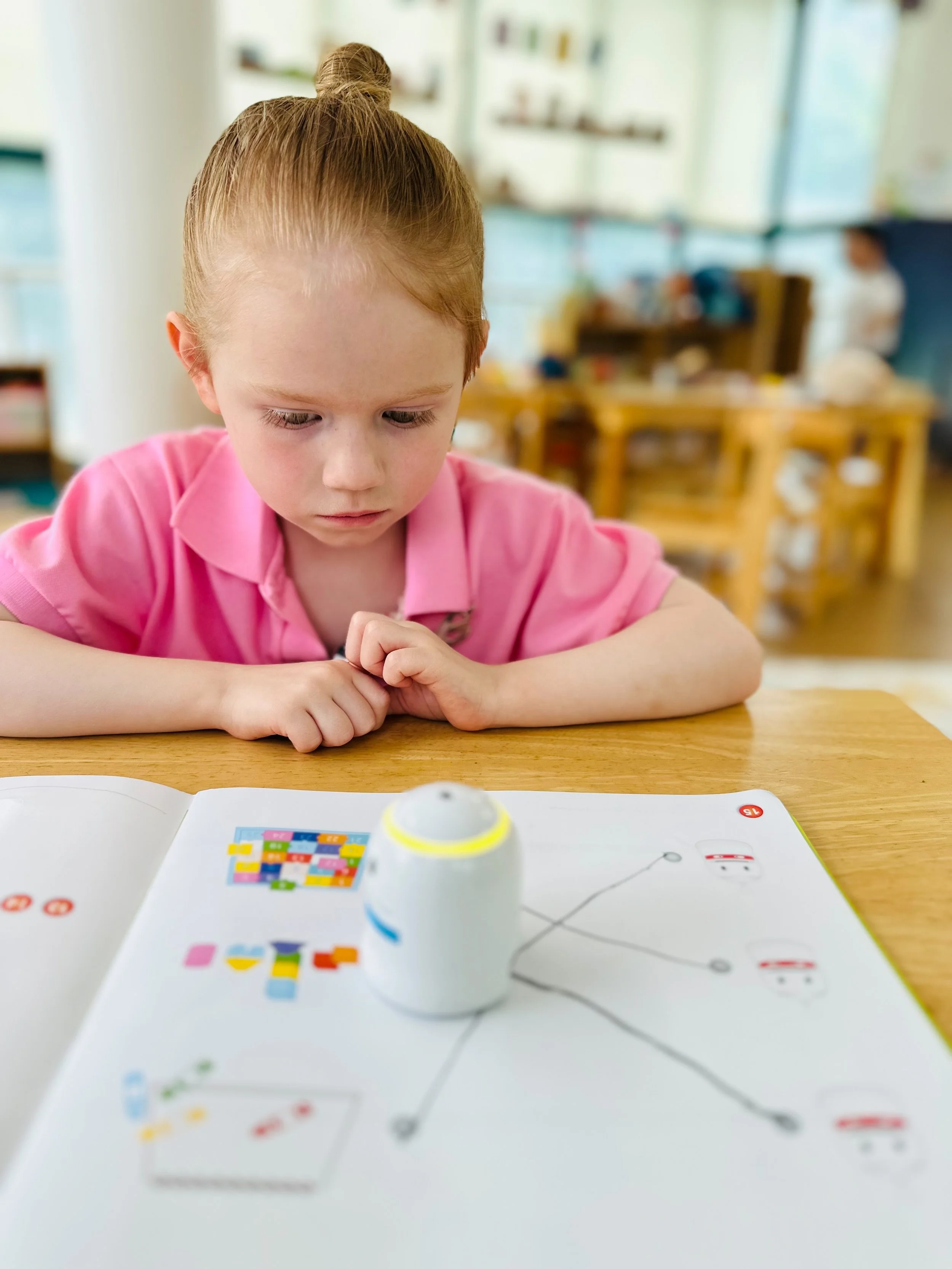
Yuchiwon typically lasts three years, from ages 4 through 6. Each year builds on the last, starting with a pre-kindergarten style curriculum and gradually introducing new subjects. In my daughter Millie’s second year, for example, math was added, and English letters and sight words began appearing in her weekly work.
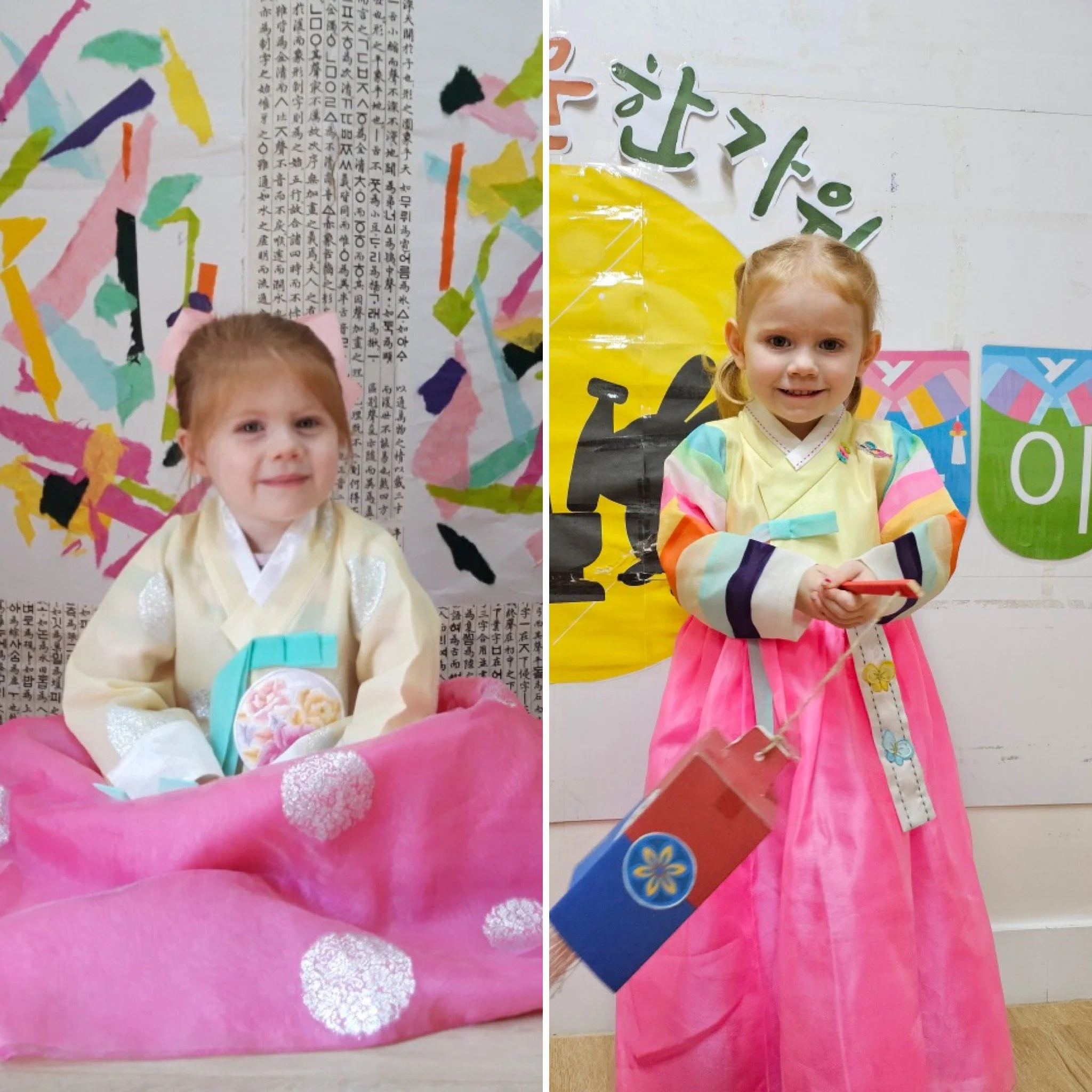
Young children are natural language sponges. A year or two in yuchiwon can jumpstart fluency in ways no app or weekend class can match. Beyond language, children absorb cultural traditions, holidays, and social norms that help them feel at home in their host country. Being able to translate for parents or explain traditions builds confidence in powerful ways.
I realized Millie had become fluent the day she asked an ajumma about her bandage—in Korean. She chatted with a seafood vendor at the market, and on the playground proudly announced, “I speak Korean!” before running off to join kids who spoke no English at all.
What American Parents Should Expect at Yuchiwon
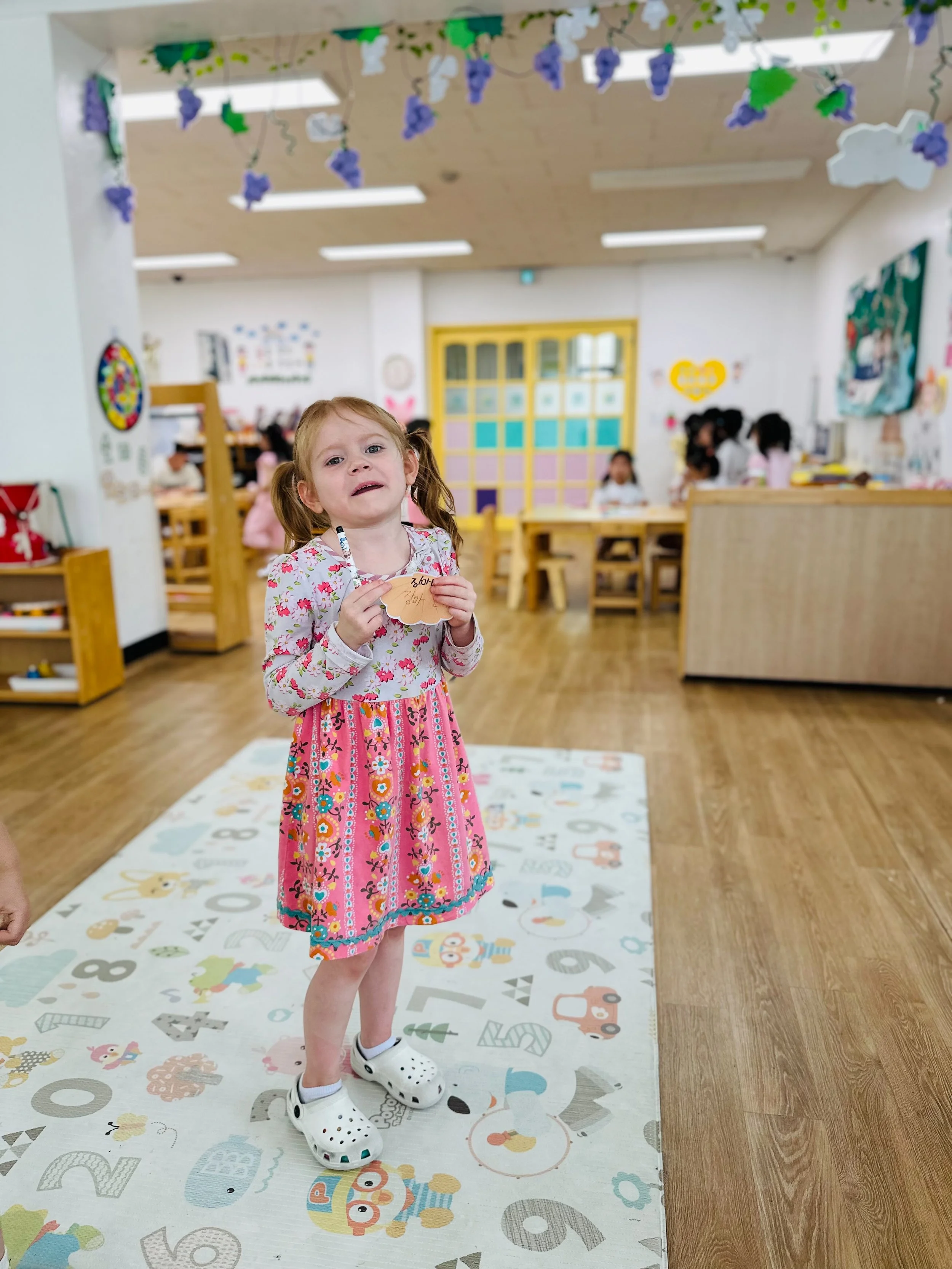
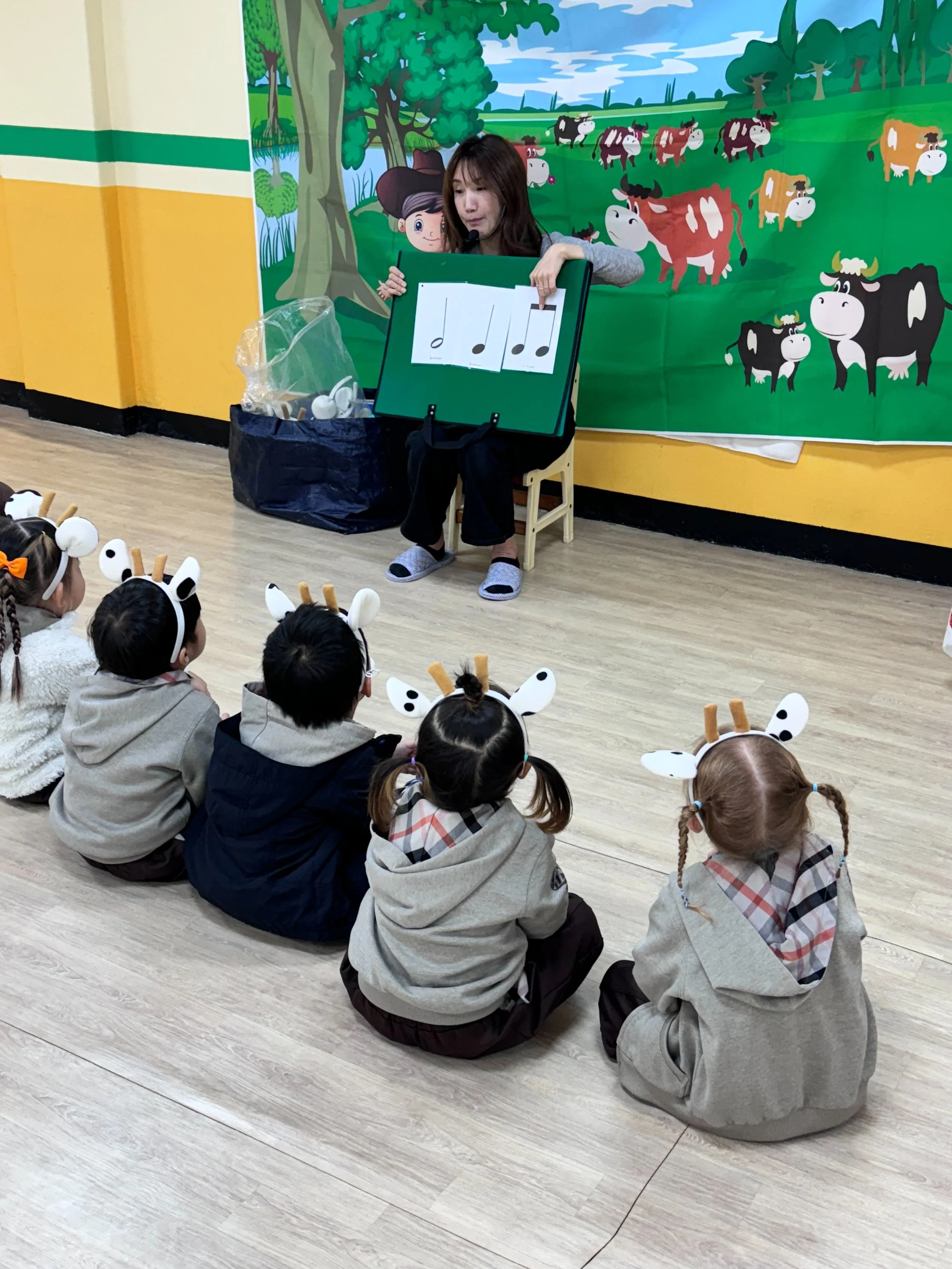
Most yuchiwon are full-day programs, offering breakfast or morning snacks, lunch, and afternoon snacks. A typical day includes morning exercises, themed lessons (music, art, cooking), and outdoor play.
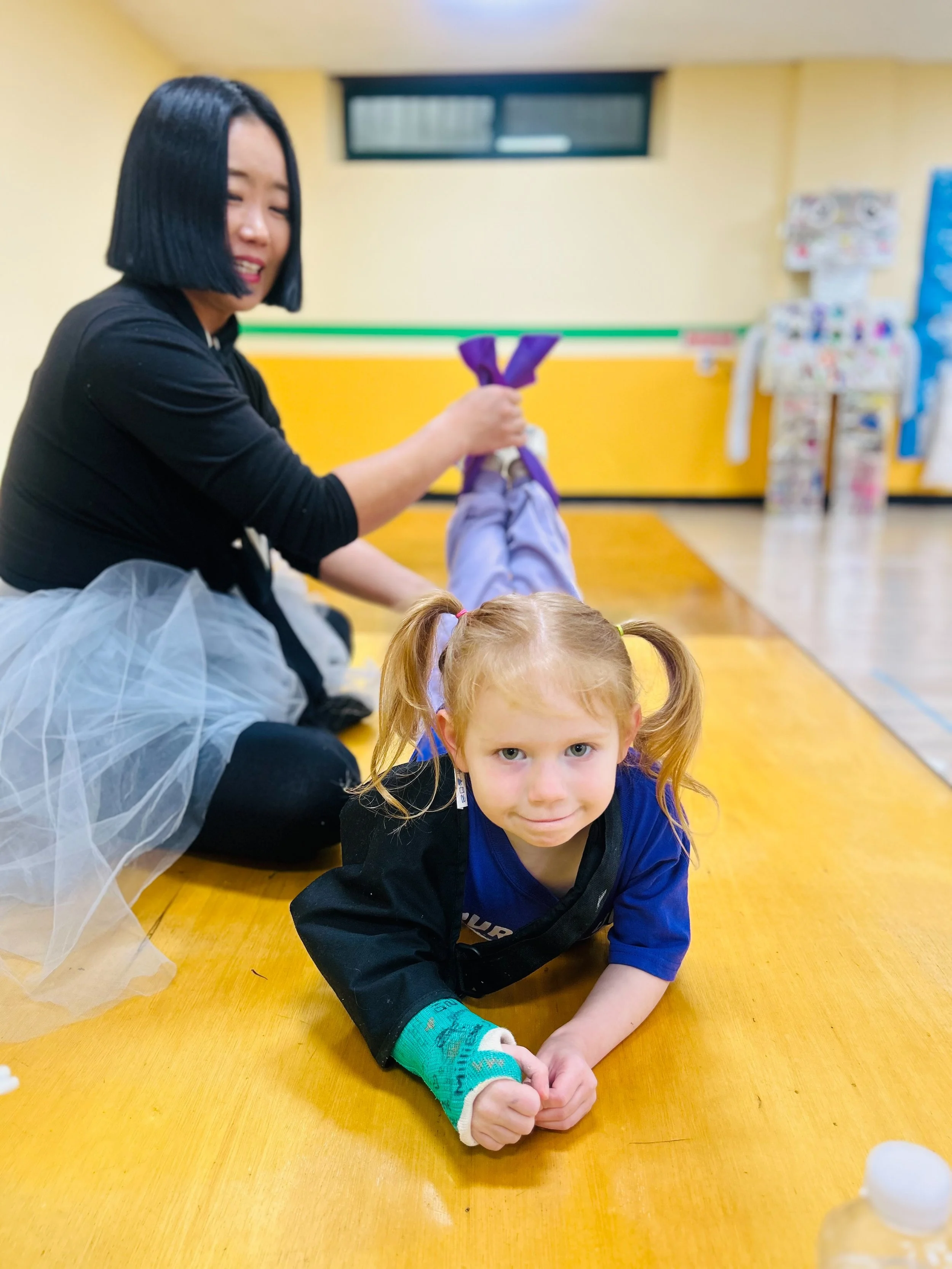
Tuition is generally lower than international schools and many U.S. daycares, though costs vary based on whether the yuchiwon is public or private, whether government subsidies apply, and your visa status. At Millie’s school, tuition included meals, small fees, and weekly ballet or taekwondo classes held during the school day.
Communication is the hardest adjustment for most foreign parents. Unless you’re fluent in Korean, translation apps and parent group chats become lifelines. While bilingual staff are rare, most schools are genuinely welcoming to international families and view foreign students as an opportunity for Korean children to practice openness and curiosity.
Independence From Day One

From day one, children are expected to manage their own belongings: changing shoes, hanging jackets, brushing teeth after lunch, and cleaning up after activities. In spring, each child even brought a plant to school and cared for it all year.
These routines built a quiet confidence. To this day, Millie is the one person in our house who never forgets to take off her shoes.
What Goes in a Yuchiwon Backpack?


Every Sunday night, we packed:
Water bottle
Toothbrush, toothpaste, and rinsing cup
Indoor school shoes
Occasionally, a change of clothes
Most yuchiwon also have uniforms, which build routine and community. On Fridays, her backpack came home heavier—with school shoes, artwork, weekly work, and notes for the following week.
A Typical Day at Yuchiwon
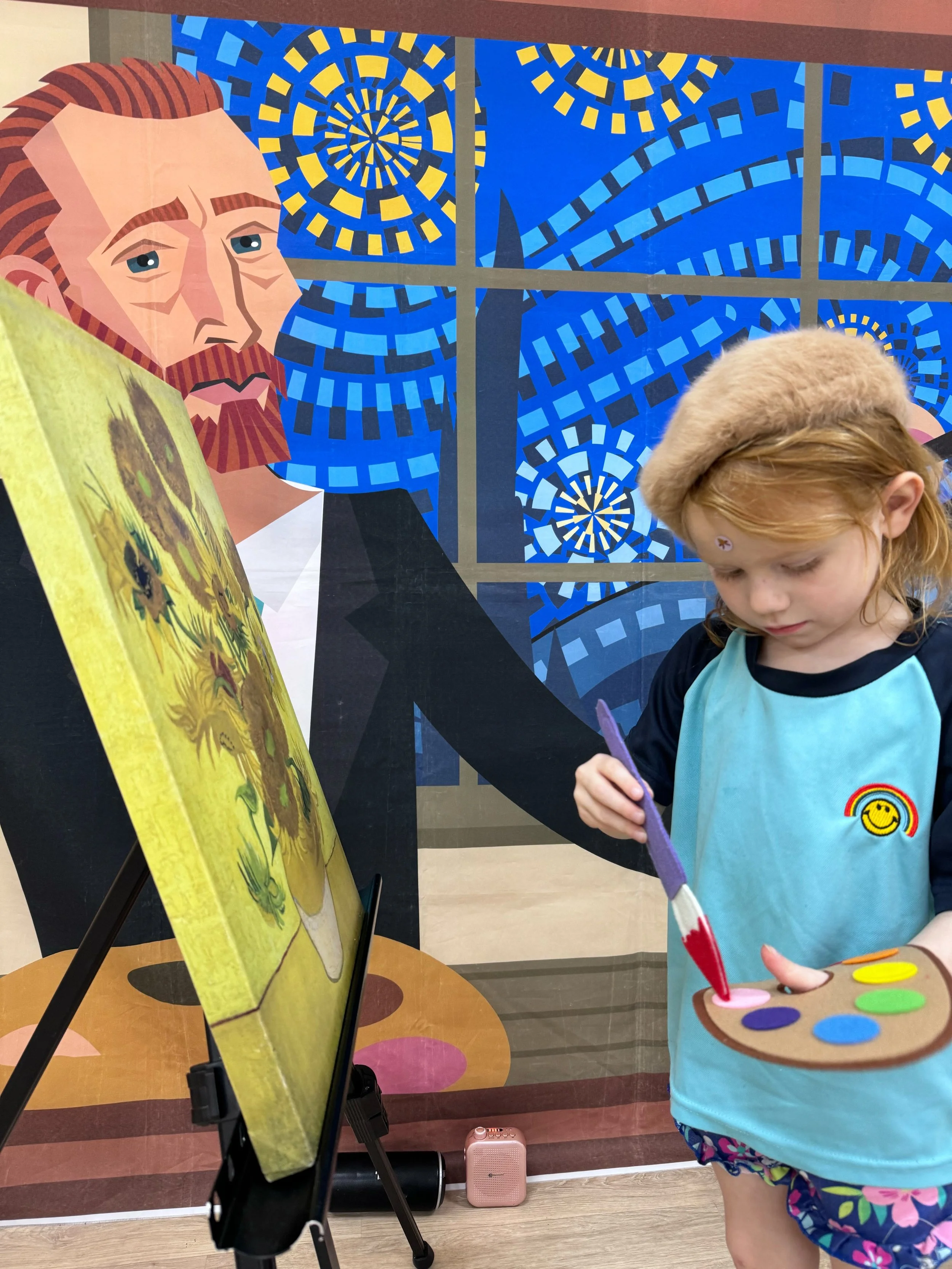
Learning was play-based, even when new subjects like math and English were introduced. Millie never felt like she was “doing schoolwork”—it was songs, games, and stories that quietly built real skills.
Each week included neighborhood walks and monthly cooking classes. P.E. was part of the schedule, sometimes split into ballet for girls and taekwondo for boys, though many schools now mix classes regardless of gender. It felt uniquely Korean: disciplined, playful, and deeply rooted in tradition.
The organization stood out. Monthly calendars, weekly schedules, and detailed lunch menus came home regularly. Every Friday, we received photos, a weekly summary, a personal note from the teacher, and the upcoming schedule through KidsNote. Even meals came with transparency about ingredients and nutrition, which felt incredibly reassuring as a parent.
Family Involvement

Every three months, our yuchiwon hosted Family Day, inviting parents and siblings to join in activities. At some schools, parents are invited to share talents—musicians perform mini concerts, grandparents read folk tales, and parents help with lunches or chaperone field trips.
These moments created real connection between foreign and Korean families, beyond polite hellos at pickup.
Is Yuchiwon the Right Choice for Your Family?
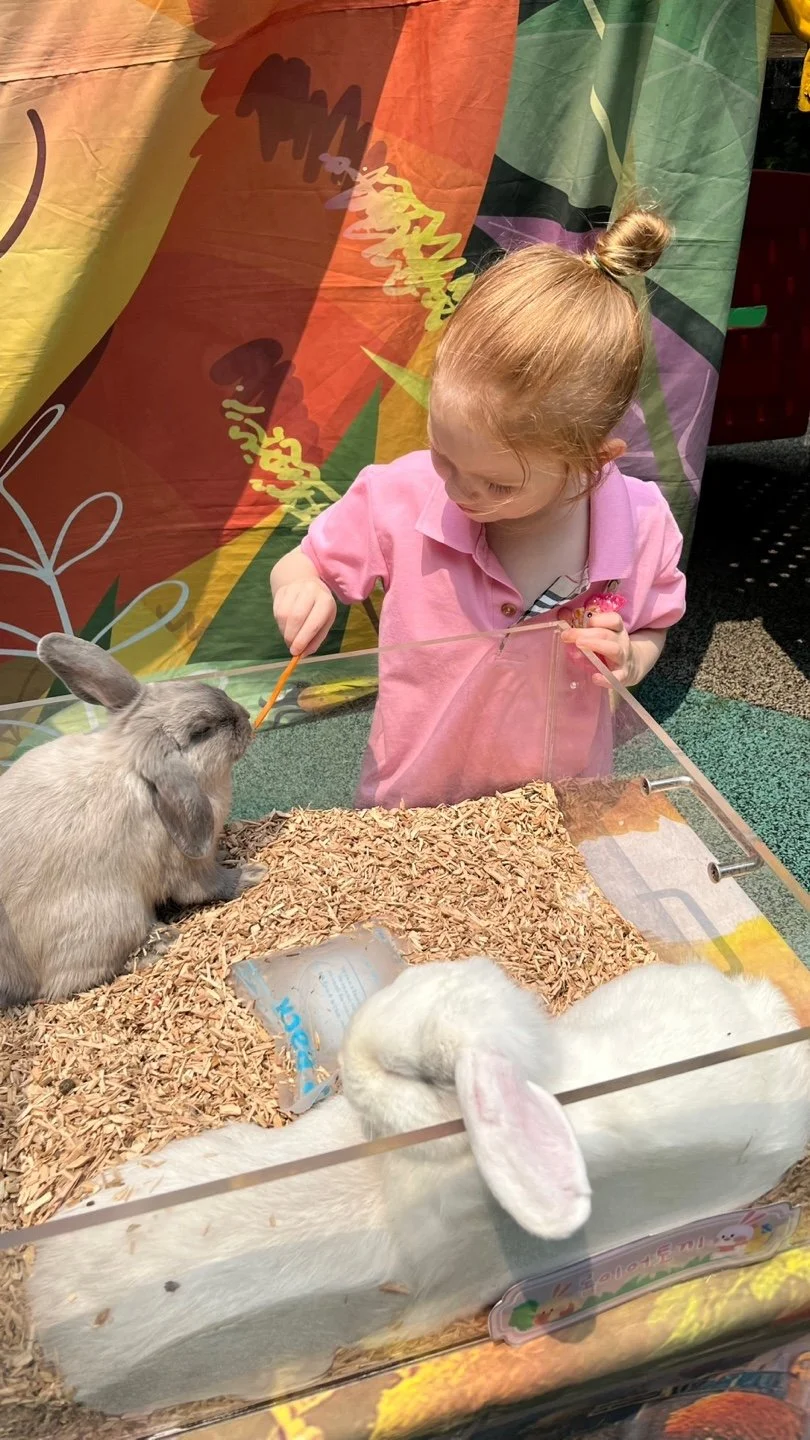
Not every child thrives in full immersion. Some families try one year before transitioning to an American-style classroom. Others commit long-term for fluency, friendships, and affordability. There’s no one-size-fits-all answer—flexibility matters.
Enrolling in a Korean kindergarten is more than childcare. It’s a chance to give your children bilingualism, cultural awareness, and adaptability—skills many military and expat families value deeply.
Our Family’s Experience With Korean Schools

For us, this wasn’t just about early education. It was about giving our daughters the confidence to walk into unfamiliar spaces and thrive. About learning what it feels like to be the outsider. About building humility, resilience, and courage early in life.
Assignments end. These lessons stay.
Enrollment Timeline in Korea
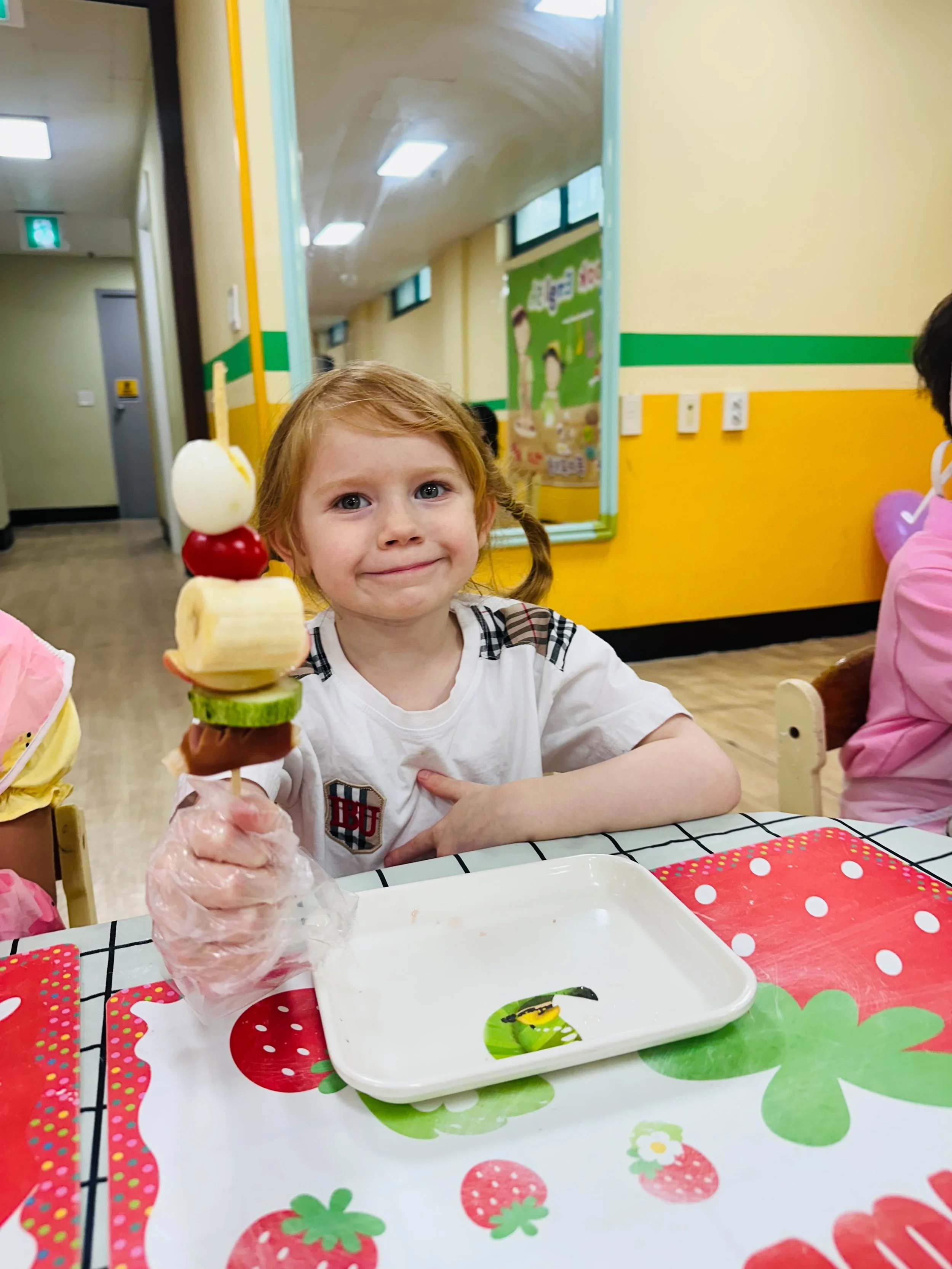
The Korean school year begins each March, with yuchiwon typically opening enrollment in November or December for the following year. Children enroll based on birth year, not just age. As we’re going in to March 2026, children born in 2022 are starting their first year of yuchiwon.
For younger children, Korean daycare—eorinijip (어린이집)—offers a good introduction to both the Korean language and school system. Both of our daughters attended eorinijip before yuchiwon, and it gave them a beautiful foundation of belonging and confidence.
My daughters attended 어린이집 in both Waegwan and Songtan, and 유치원 in Songtan. If you’d like references on schools that I can recommend, please reach out to me!