What Is Seollal? A Guide to Korean Lunar New Year Traditions in South Korea
One of the greatest gifts we’ve given our kids is the chance to grow up immersed in another culture — experiencing traditions they would never have encountered back in the US. One of those has been Seollal, the Korean Lunar New Year.
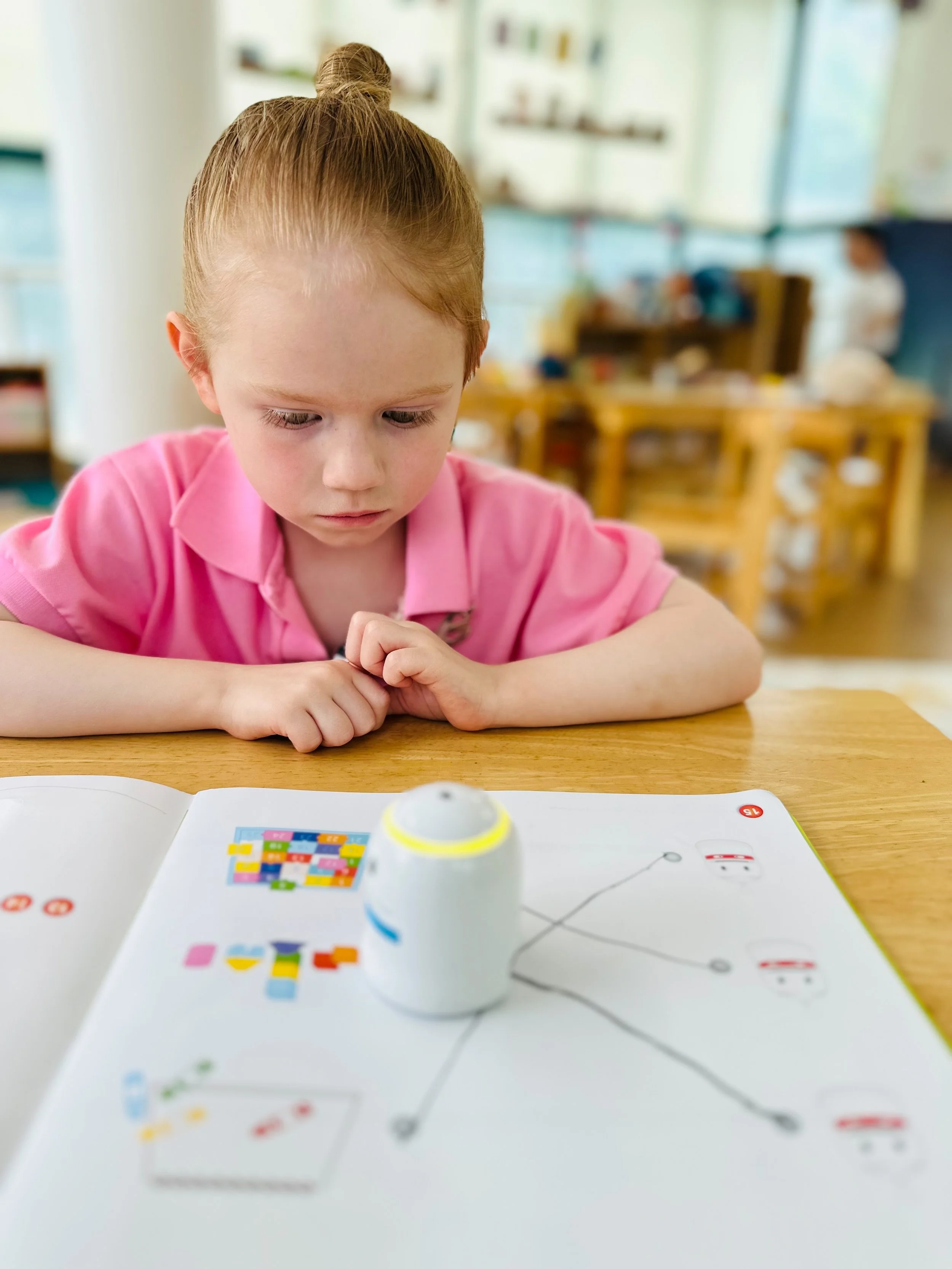
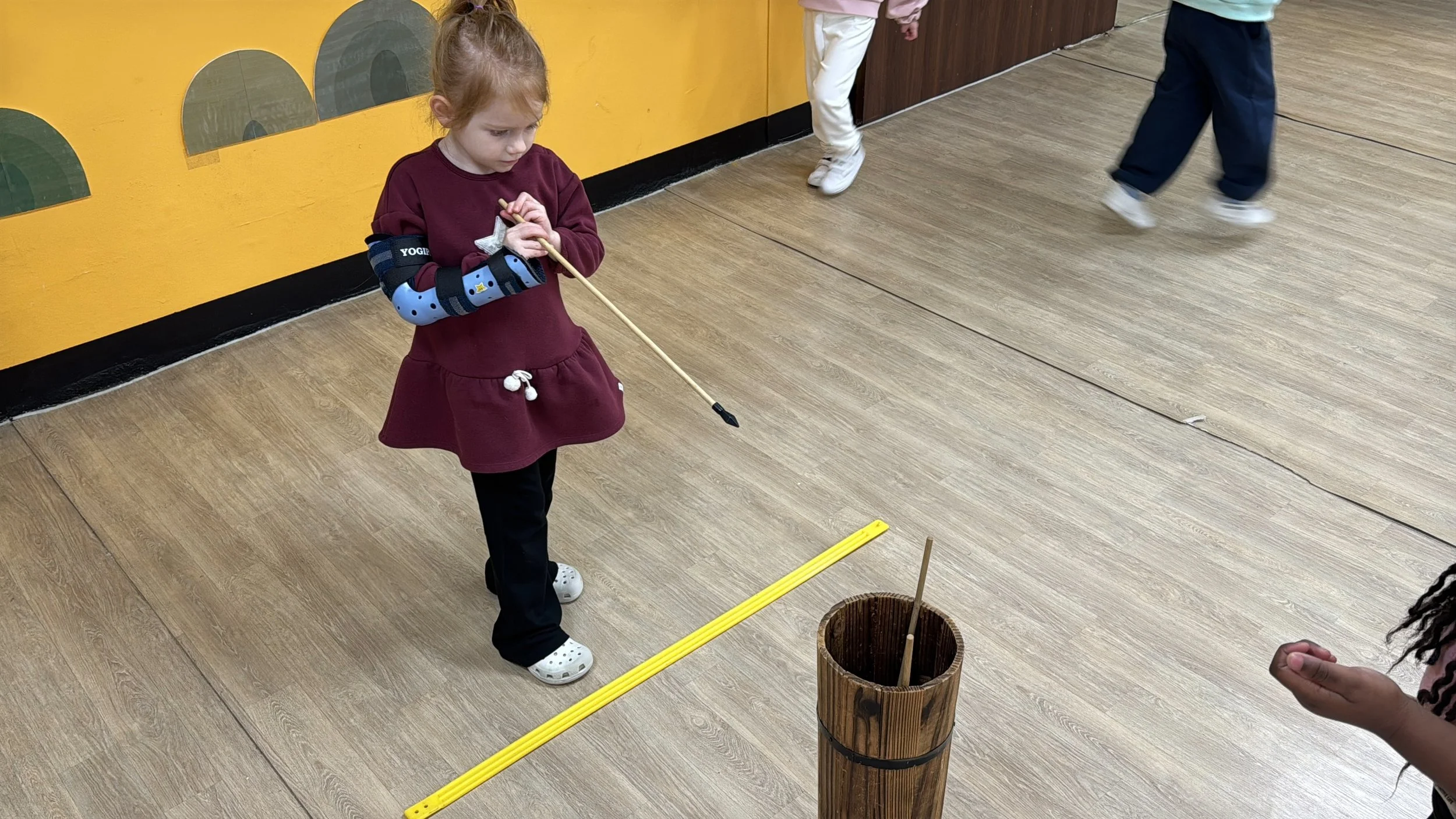
Living in South Korea has allowed our children to experience Seollal not just as observers, but as participants. They celebrated in daycare (어린이집) and yuchiwon (유치원), learning songs, playing traditional games, and practicing the respectful bow given to elders. Now, they continue that exposure through Culture class at their Department of Defense Education Activity school. These are the kinds of childhood memories that shape perspective — and they’re uniquely theirs.
What Is Seollal?
Seollal (설날) is the Korean Lunar New Year and one of the most important traditional holidays in South Korea. Unlike January 1st on the solar calendar, Seollal follows the lunar calendar, which means the date changes each year.
The holiday marks the first day of the lunar year and centers on family, respect, honoring ancestors, and starting fresh. It is typically celebrated over three days, with millions of people traveling across the country to gather with relatives.
When Is Seollal?
Because Seollal follows the lunar calendar, the date varies annually, usually falling in late January or February. This year, Seollal falls on February 17th. The holiday period lasts three days, but travel congestion often begins days before as families head to their hometowns.
If you’re living in or visiting South Korea during Seollal, expect highways, trains, and airports to be especially busy.
Seollal Traditions You’ll See
Charye (차례) – Honoring Ancestors
Families prepare a carefully arranged ceremonial table of traditional foods and perform a ritual to honor their ancestors. The placement of each dish follows long-standing customs.
Sebae (세배) – The Formal New Year’s Bow
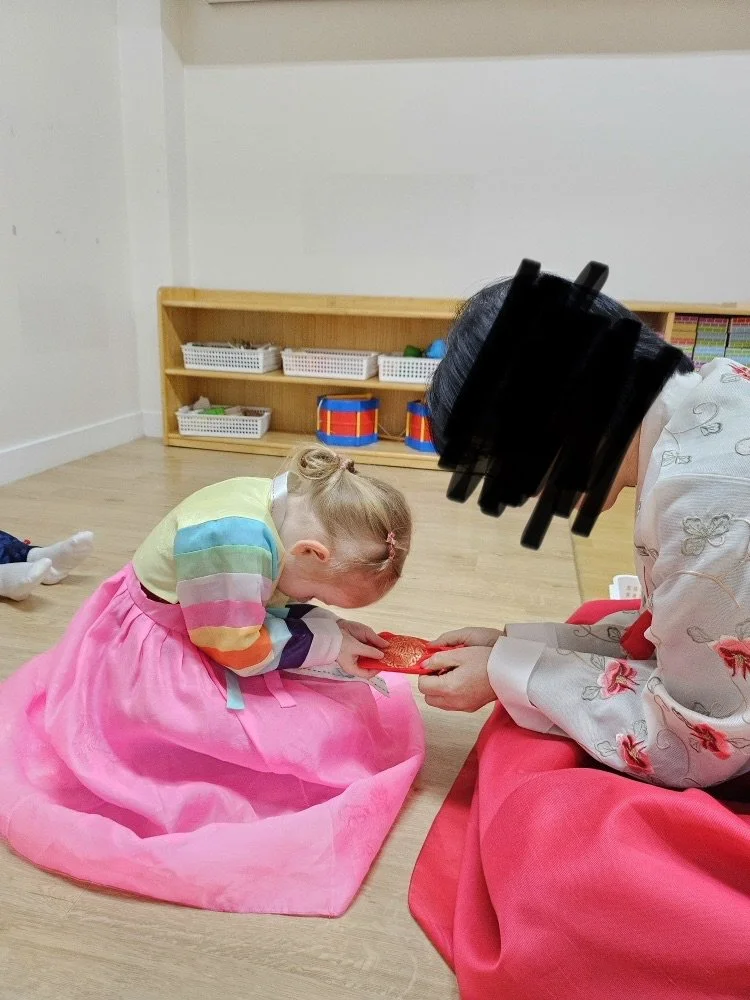
Children and younger family members perform a deep bow to elders while offering New Year’s wishes. In return, elders give words of wisdom and often small envelopes of money, called sebaetdon.
Eating Tteokguk (떡국)
A bowl of rice cake soup is traditionally eaten on Seollal. There’s a popular saying in Korea that you “become one year older” after finishing your bowl.
Wearing Hanbok (한복)
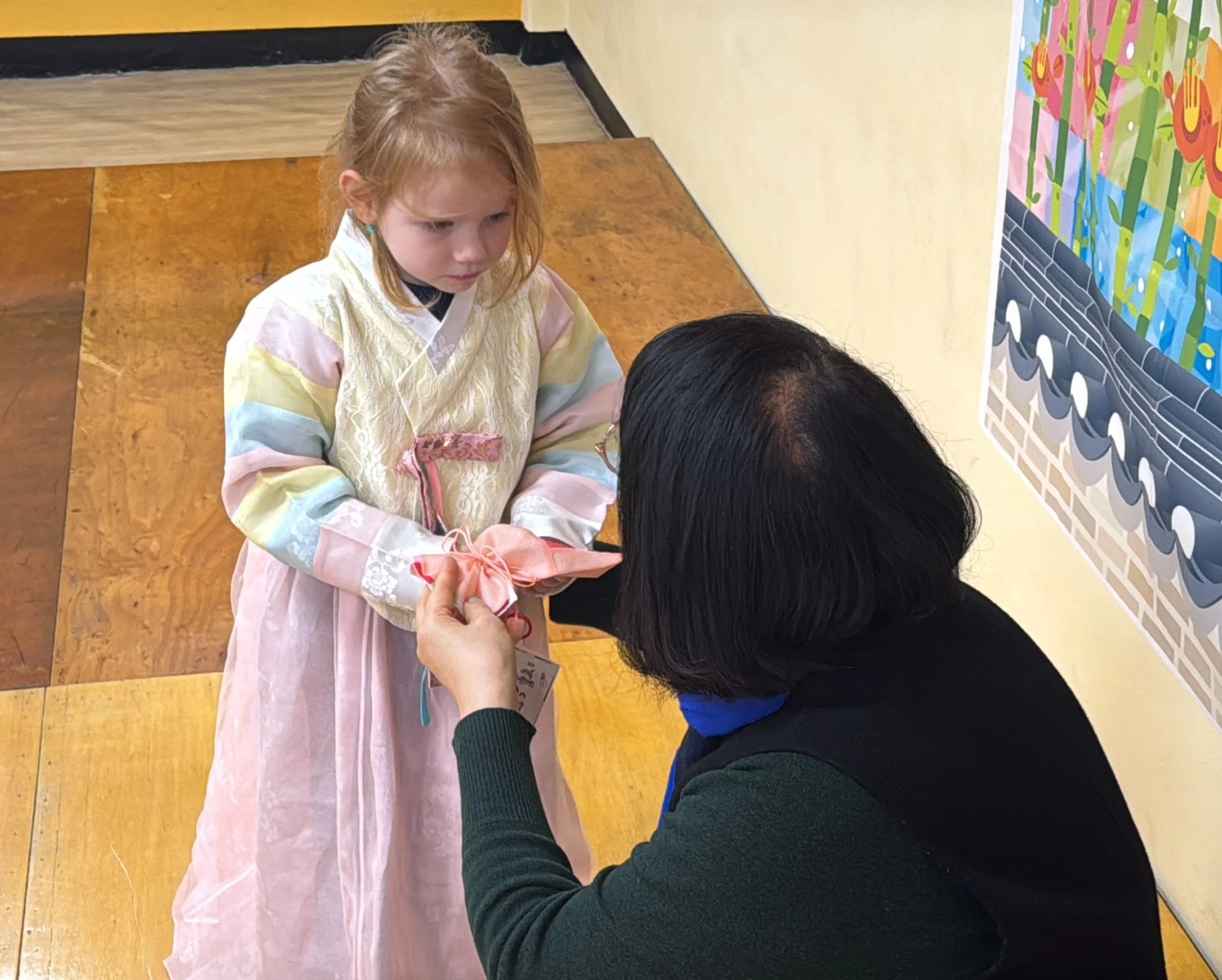
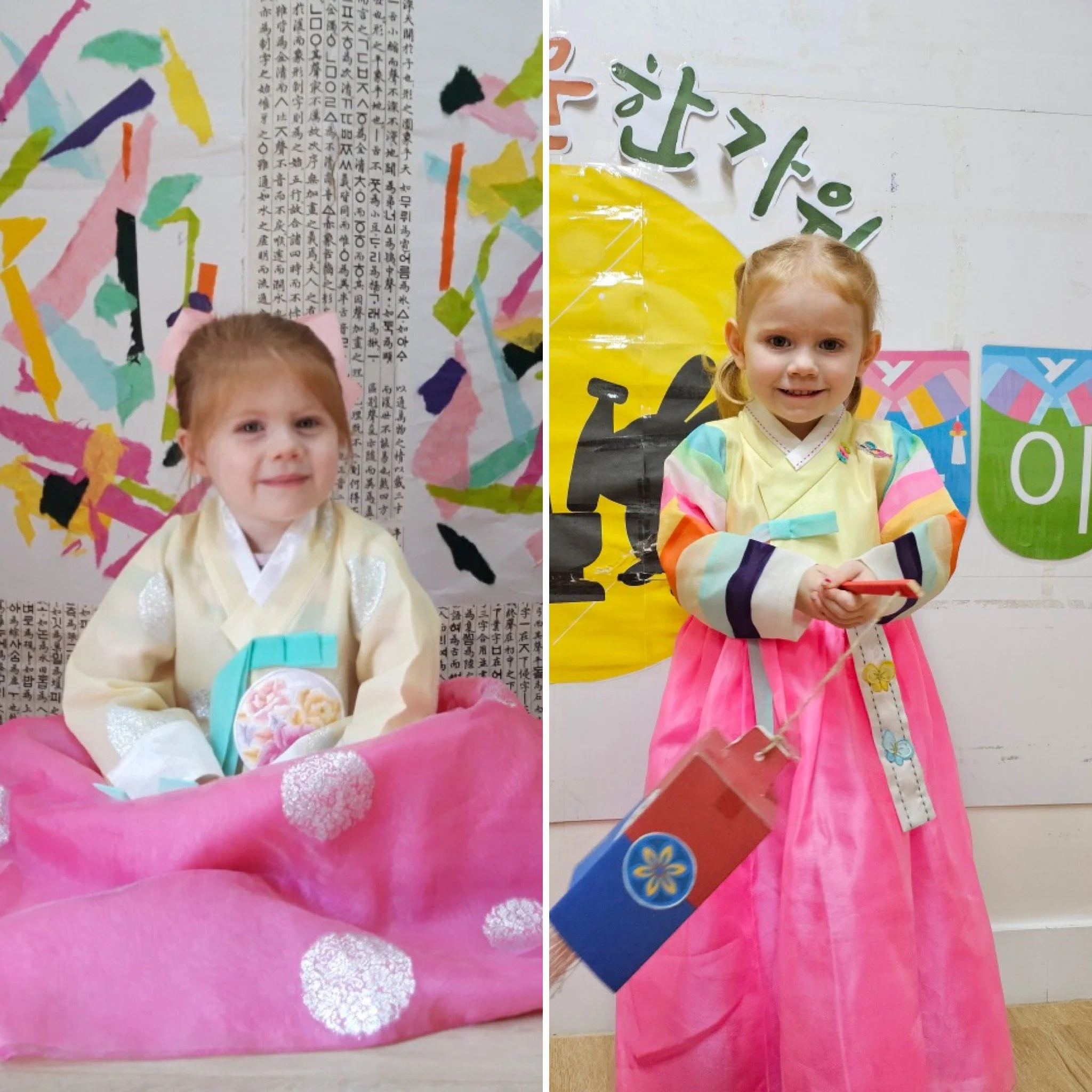
Some families dress in traditional Korean clothing, especially during rituals and family photos. Seeing children in colorful hanbok during Seollal is one of the sweetest sights of the holiday.
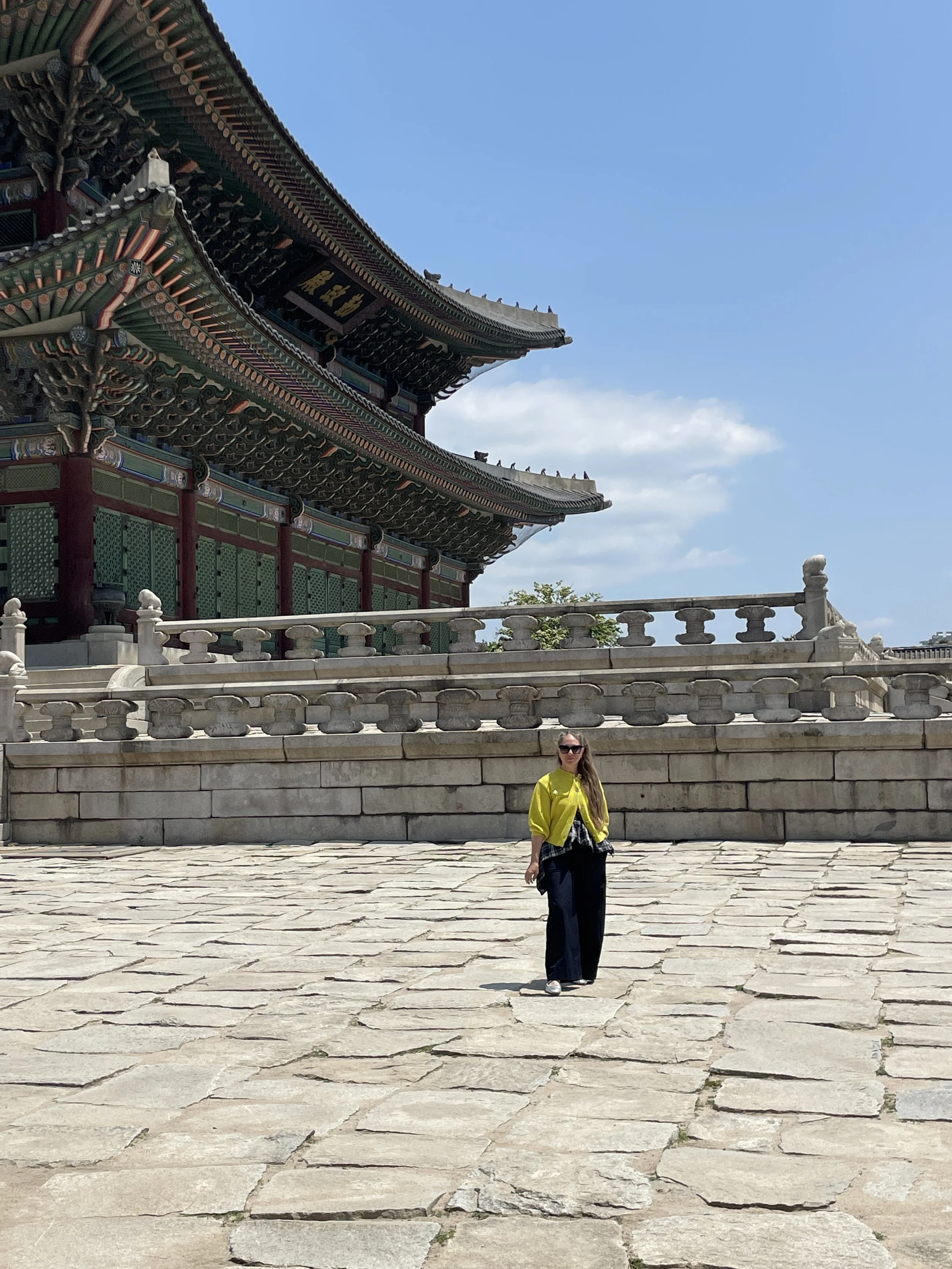
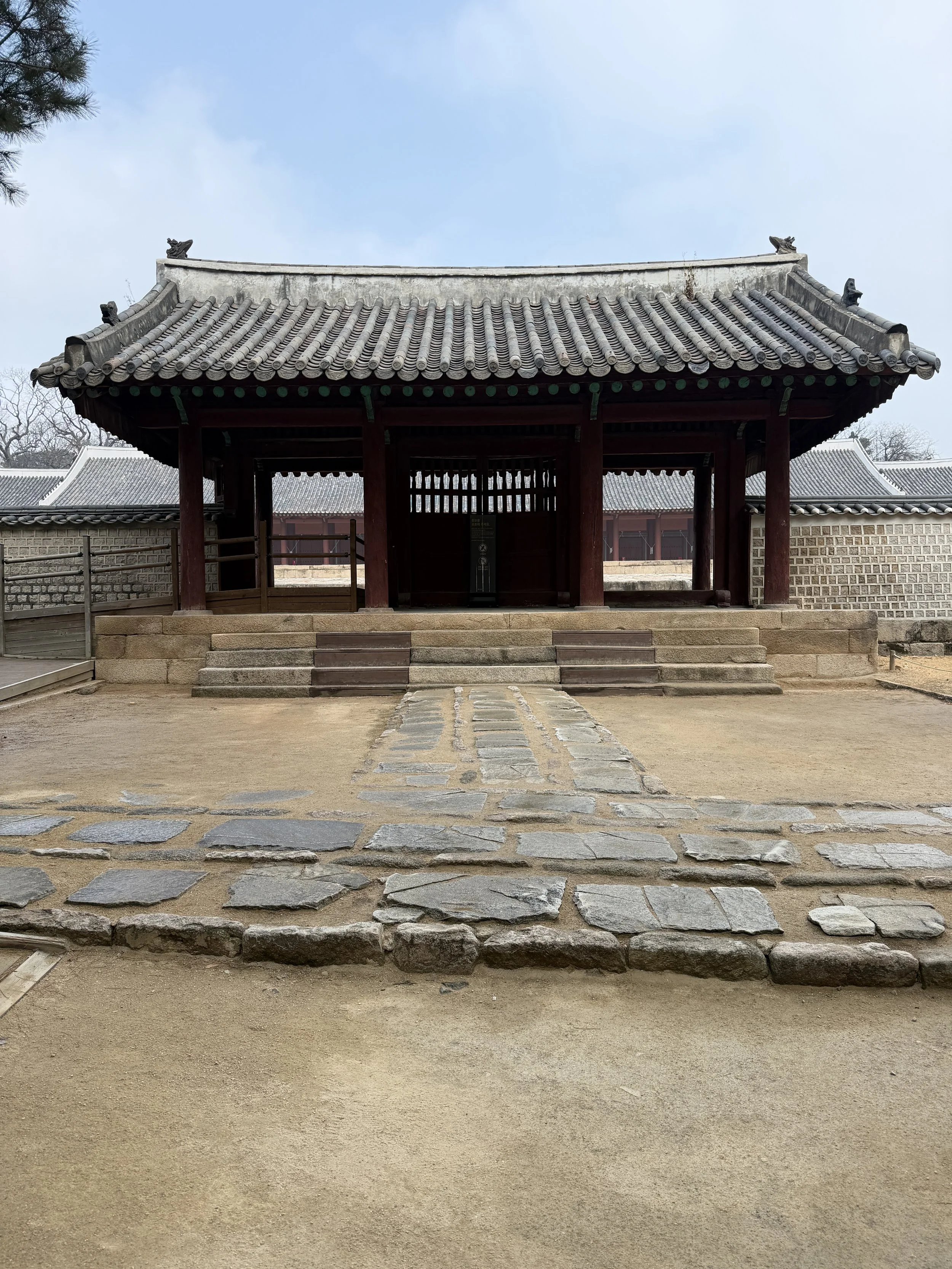
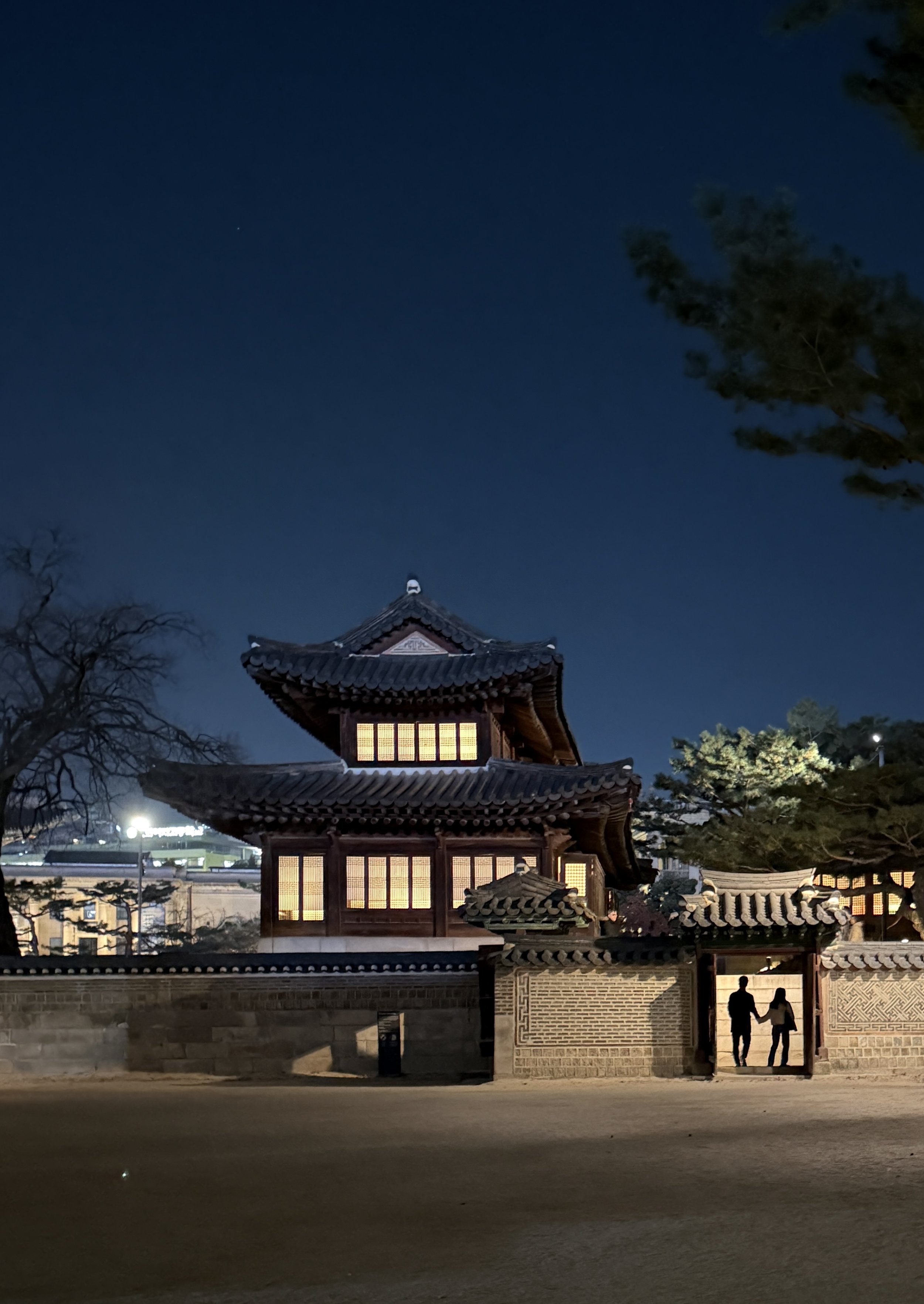
During Seollal, admission to South Korea’s royal palaces and royal tombs is often free to the public, making it one of the most meaningful times to explore the country’s history. That often includes iconic sites like Gyeongbokgung Palace, Changdeokgung Palace, and Deoksugung Palace and it creates a rare opportunity to experience these landmarks surrounded by families celebrating tradition together. Jongmyo Shrine, which usually requires a guided timed tour for entry, will be doing away with that for the holiday. (Keep in mind that the palaces will be closed on February 19th, after the holiday.)
If you're visiting places like Seoul during Seollal, expect a slower pace. Many shops and restaurants close, particularly on the main holiday, though major palaces and cultural sites may host traditional games and performances. If you’re driving in or out of the city, expect significant traffic delays as families travel across the country.
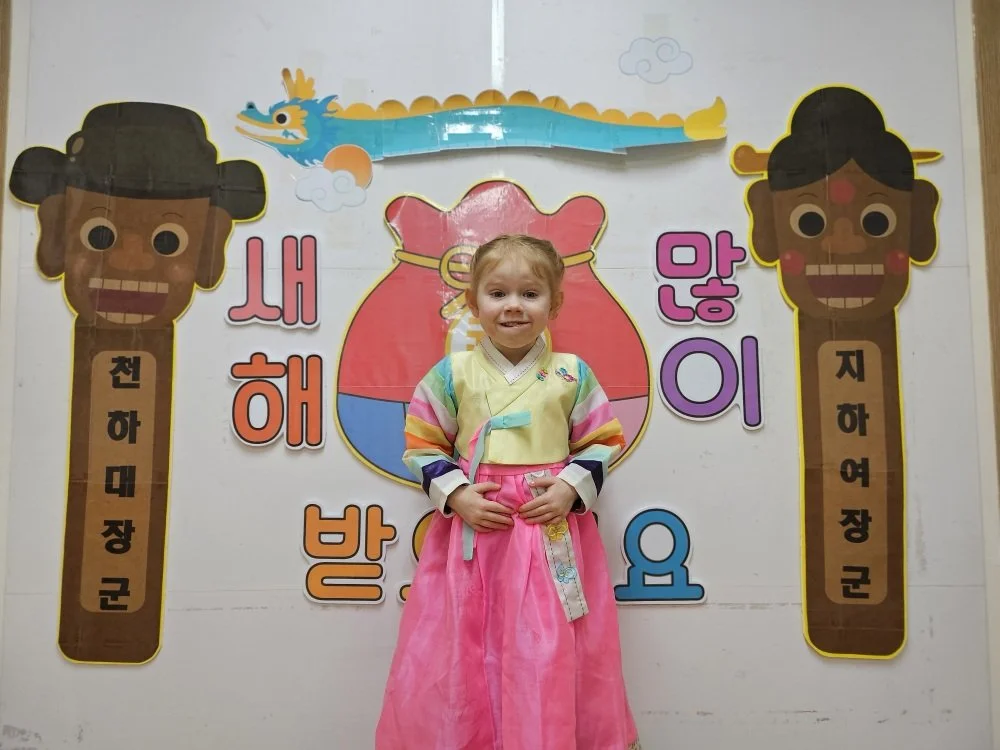
However you celebrate, may the new year bring you health and blessings. As they say in Korea — 새해 복 많이 받으세요 (May you receive many blessings in the new year).