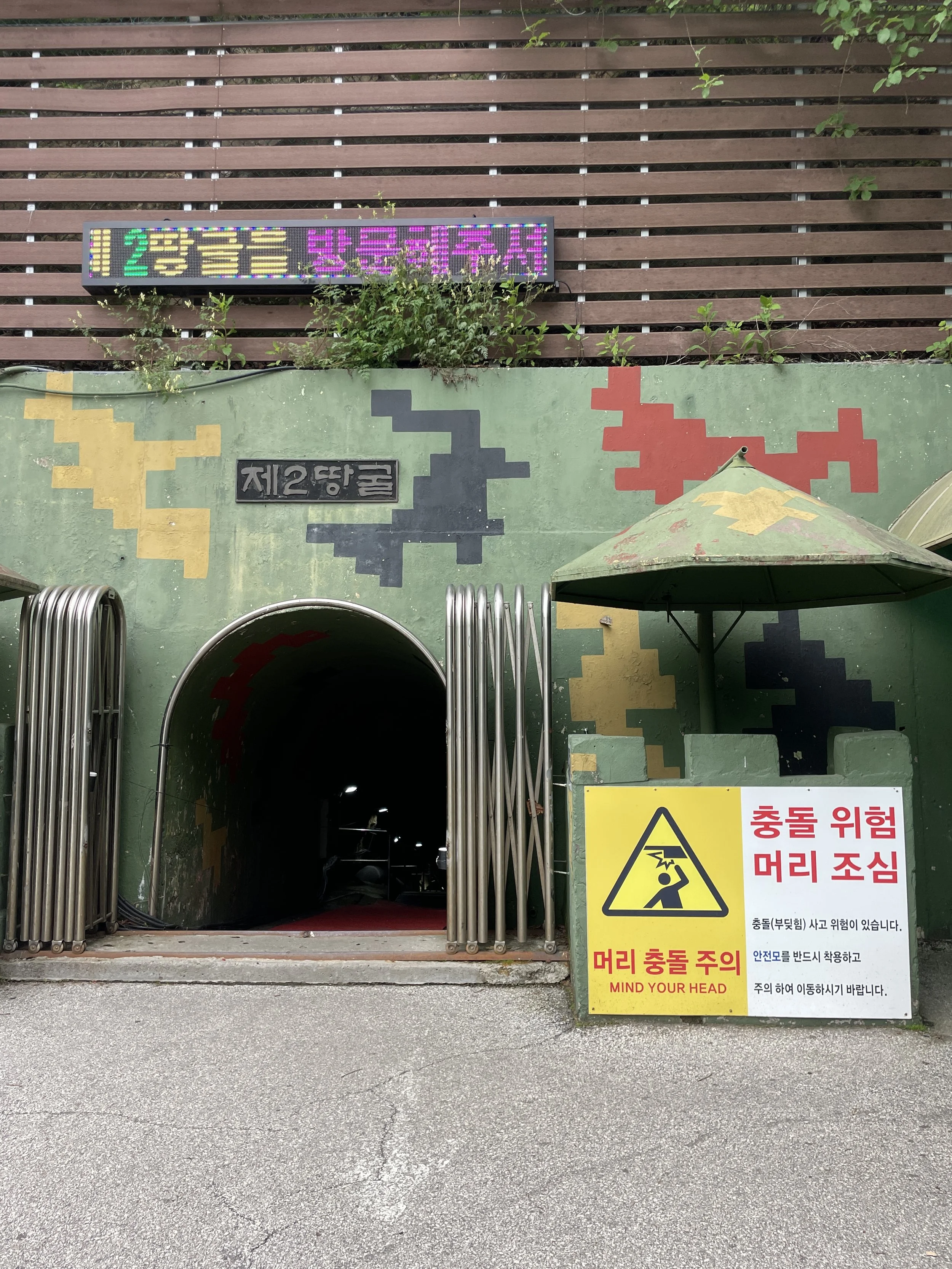
Around Korea: DMZ Tunnel #2
Most visitors to Korea's Demilitarized Zone (DMZ) have heard of the famous Third Infiltration Tunnel near Paju, in fact, that’s one that our family has done several times and is typically pretty easy to visit. What many travelers don't realize is that there is another tunnel farther east that offers a different experience, and for some visitors, a much more accessible one.
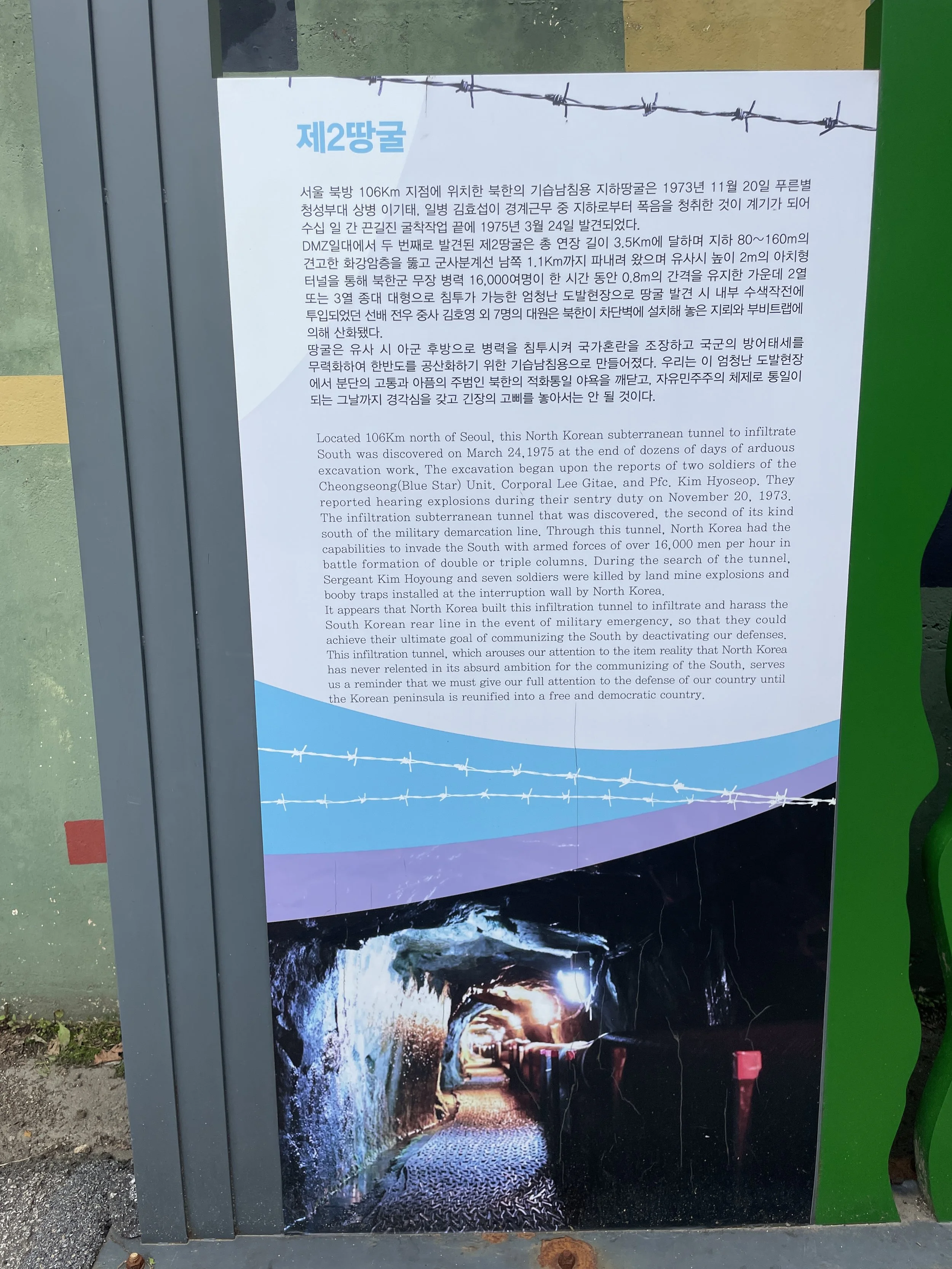
While it may not receive the same level of attention as the Third Tunnel, The Second Infilitration Tunnel is generally considerably easier for visitors with limited mobility.
What Is the Second Infiltration Tunnel?
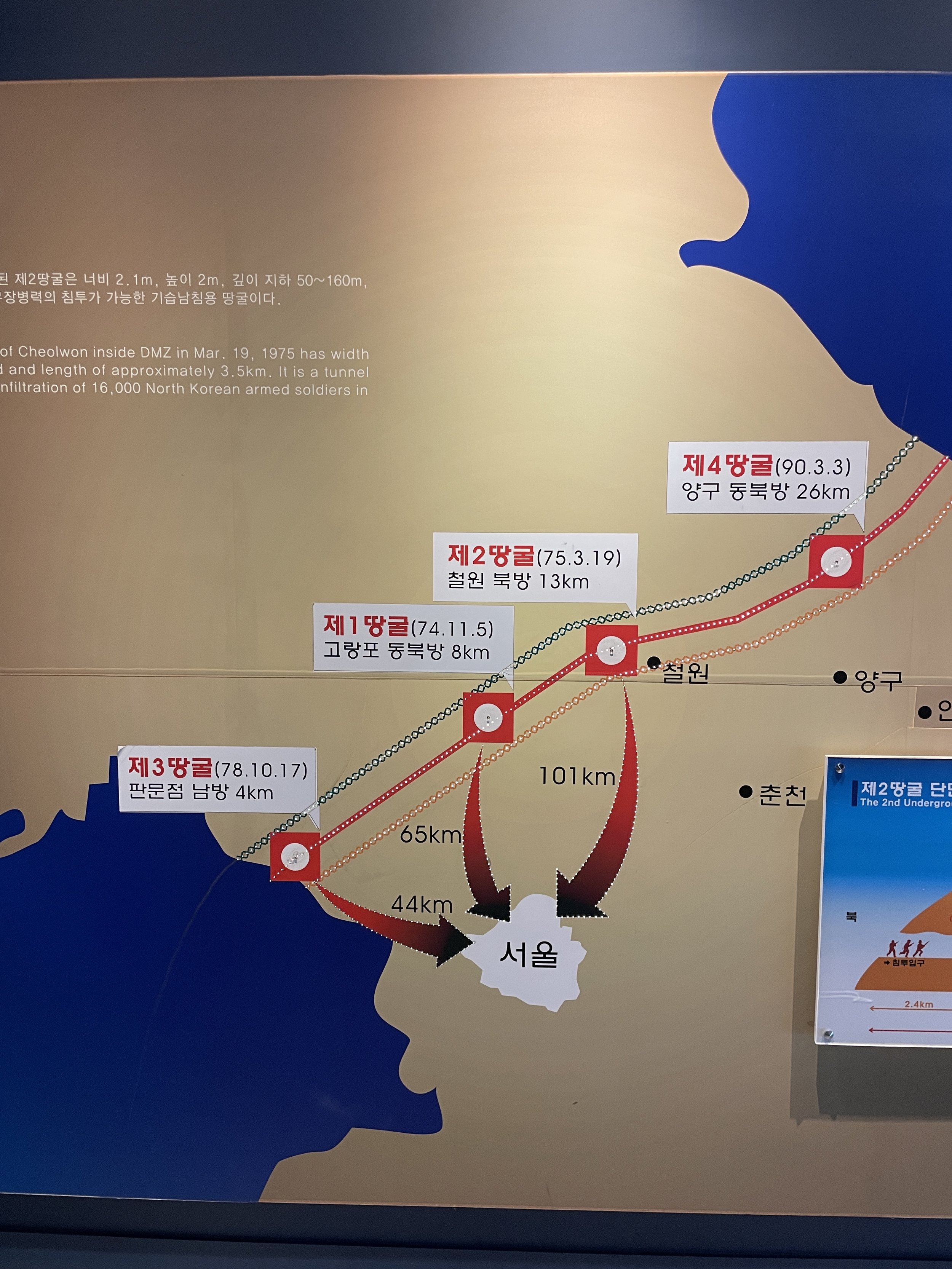
The Second Infiltration Tunnel was discovered on March 19, 1975, after South Korean forces detected underground explosions in the area. Like the other infiltration tunnels found beneath the DMZ, it was allegedly excavated by North Korea as a potential route to move troops south of the border during a conflict.
The tunnel is twice as deep as the 3rd infiltration tunnel and extends more than 3 kilometers in length, with approximately 1 kilometer lying south of the Military Demarcation Line. Military officials estimated that tens of thousands of soldiers could have moved through the tunnel in a single hour.

Today, visitors can descend 500m into a section of the tunnel and experience firsthand the scale of this engineering project hidden beneath one of the world's most heavily fortified borders.
The 2nd Infiltration Tunnel is in a more remote area, further from Seoul, and less crowded than tours to the 3rd Infiltration Tunnel.
Sorry - no pictures allowed inside any of the tunnels!
Easier Than the Third Tunnel
Anyone who has visited the Third Infiltration Tunnel knows that the experience involves a long, steep descent followed by an equally challenging climb back to the surface. While handrails are available, the return trip can be exhausting, especially for older travelers, those with knee or back problems, or anyone who struggles with steep inclines.
The Second Tunnel is slightly easier. The walk is flatter, shorter, and far less physically demanding. There are still stairs and uneven surfaces to navigate, though. It’s an excellent option for older travelers who want to experience a DMZ tunnel without the strenuous climb.
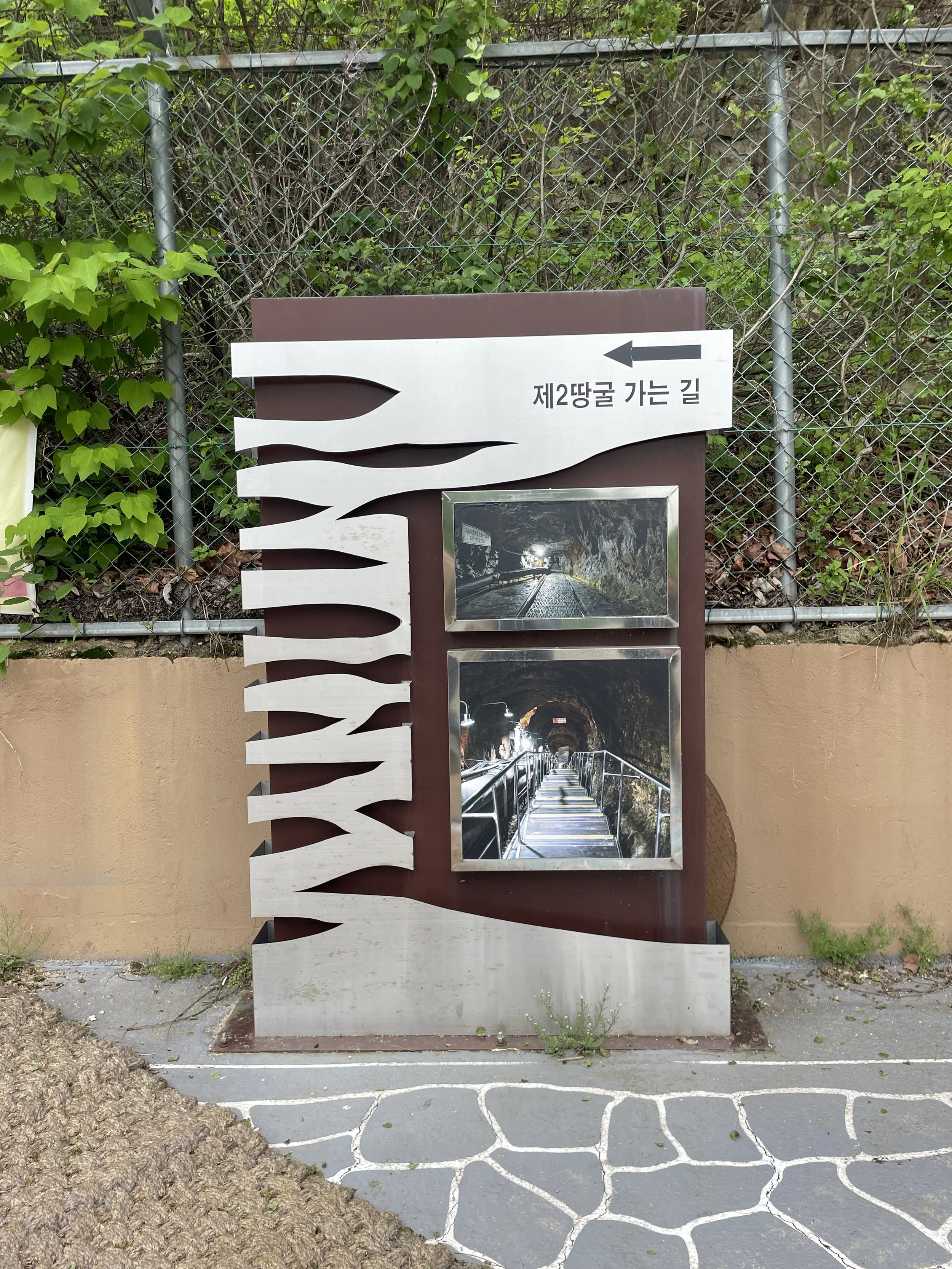
The tunnels are both 2m wide by 2m high, but The 2nd Tunnel feels less claustrophobic as well.
Also, on every tour we’ve taken to a DMZ tunnel, there have been children - so while you might need to slow down for their tiny legs, they’re perfectly welcome here!
What to Expect During Your Visit

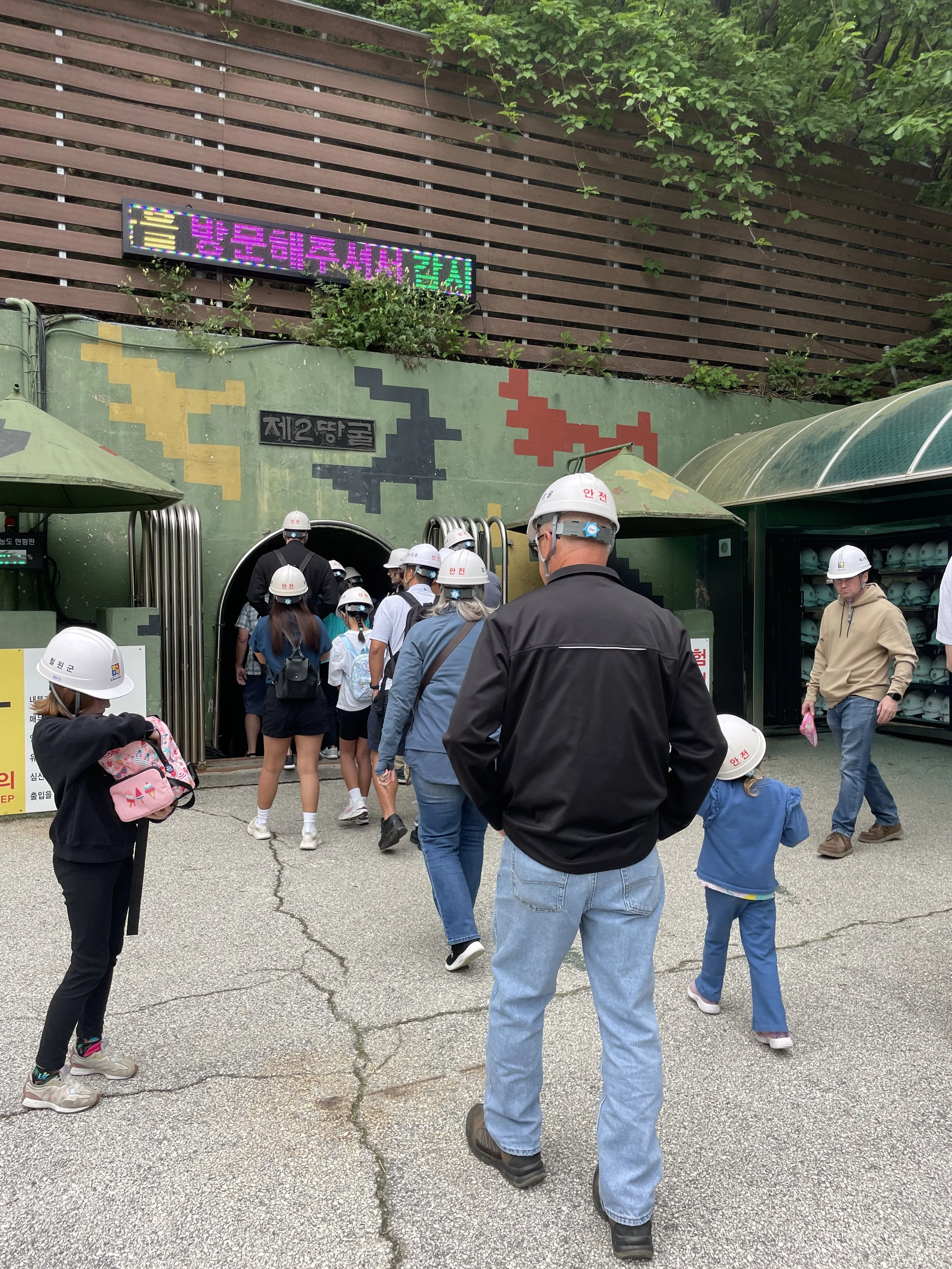
Visitors are provided with hard hats before entering the tunnel. The ceilings are low in some sections, making head protection essential.
Inside, the tunnel is cool and damp year-round. The rock walls still bear the marks of excavation, and you can see evidence of the measures taken to conceal the tunnel's origin, including coal dust that was reportedly applied to portions of the walls to support claims that it was a mining operation.
You’re not required to walk the entire 500m either. You can go as far as you please, although I at least recommend making down the stairs and part way down the flat tunnel!
How to Visit the Second Infiltration Tunnel
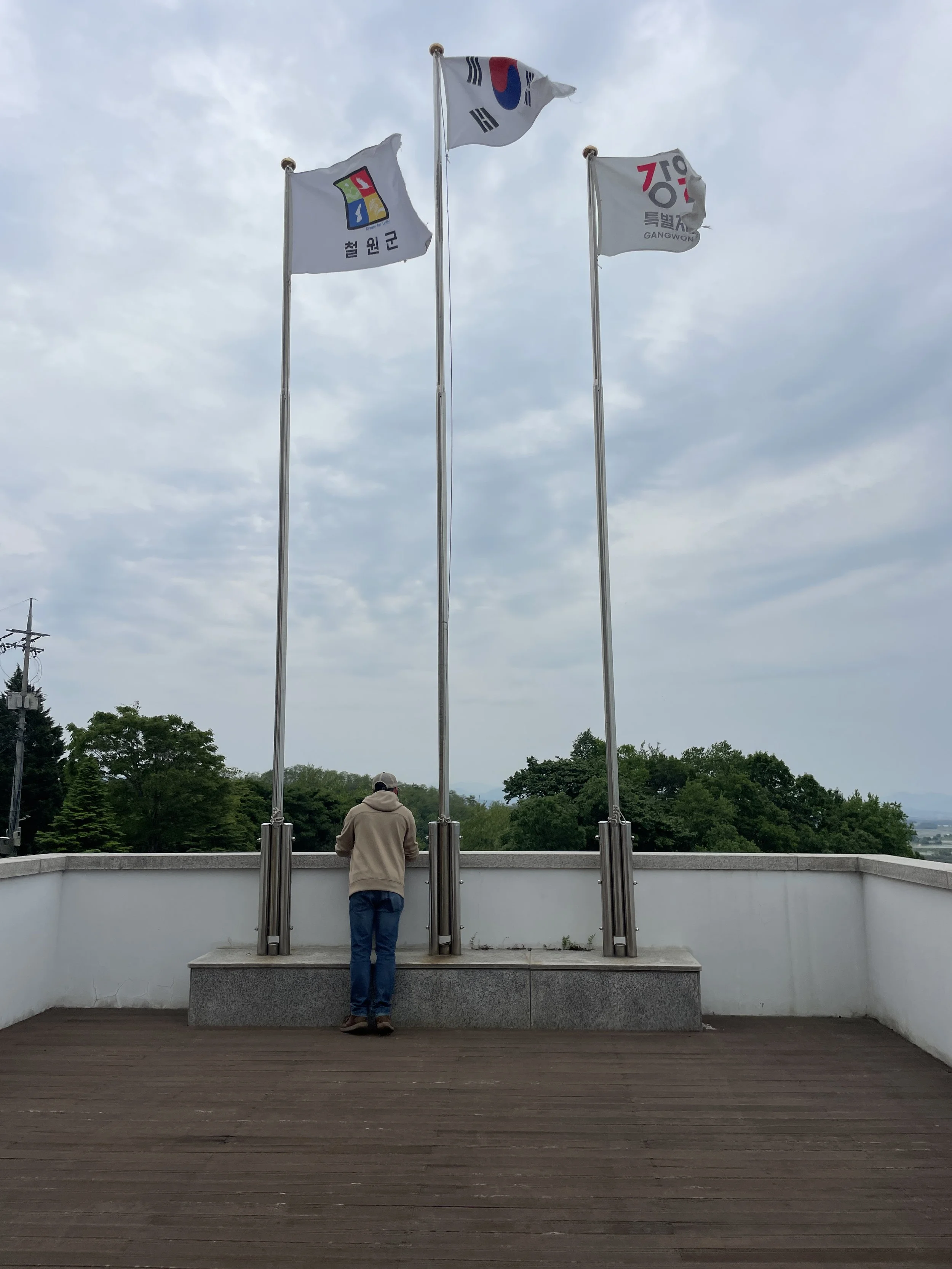
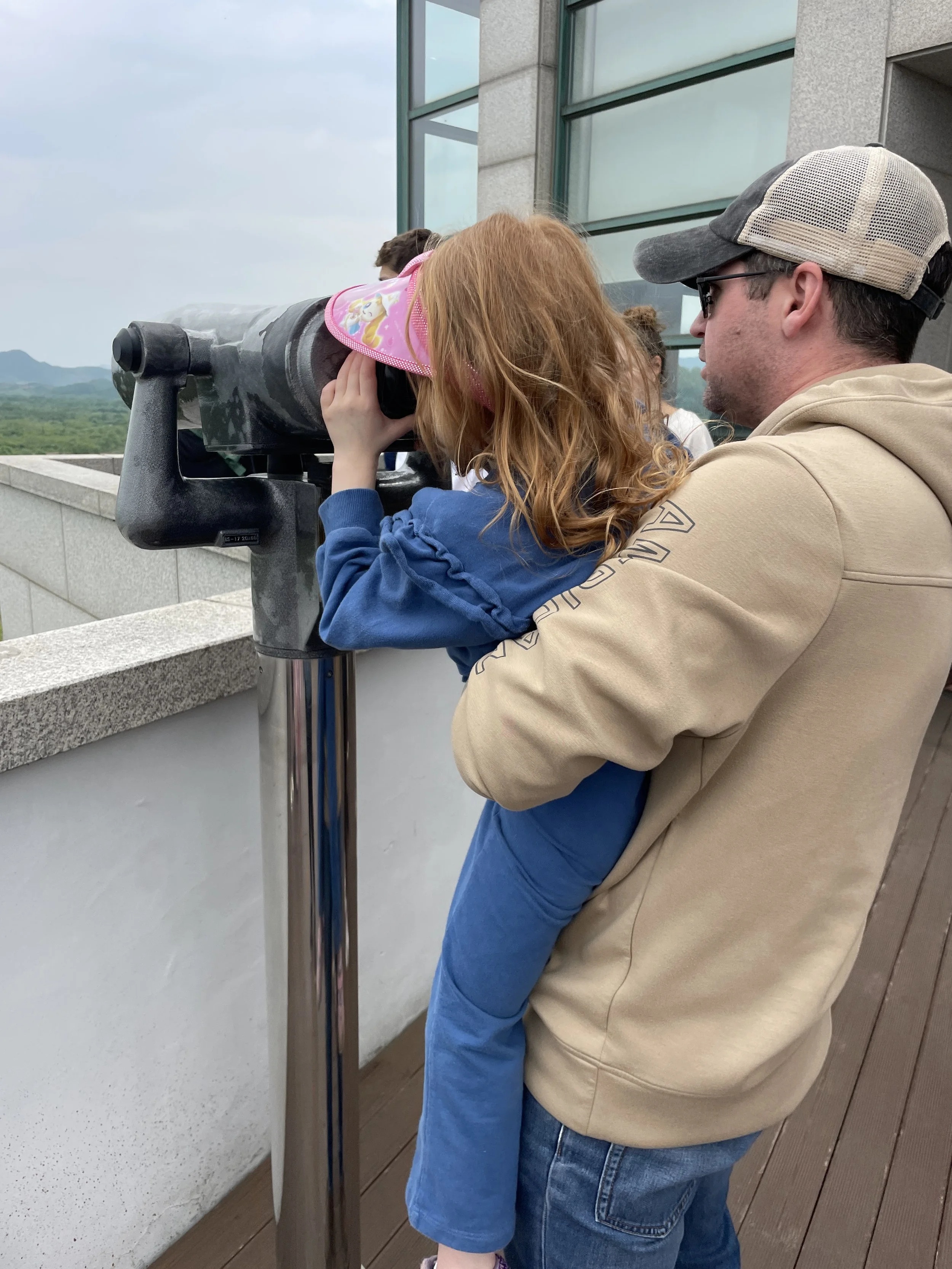
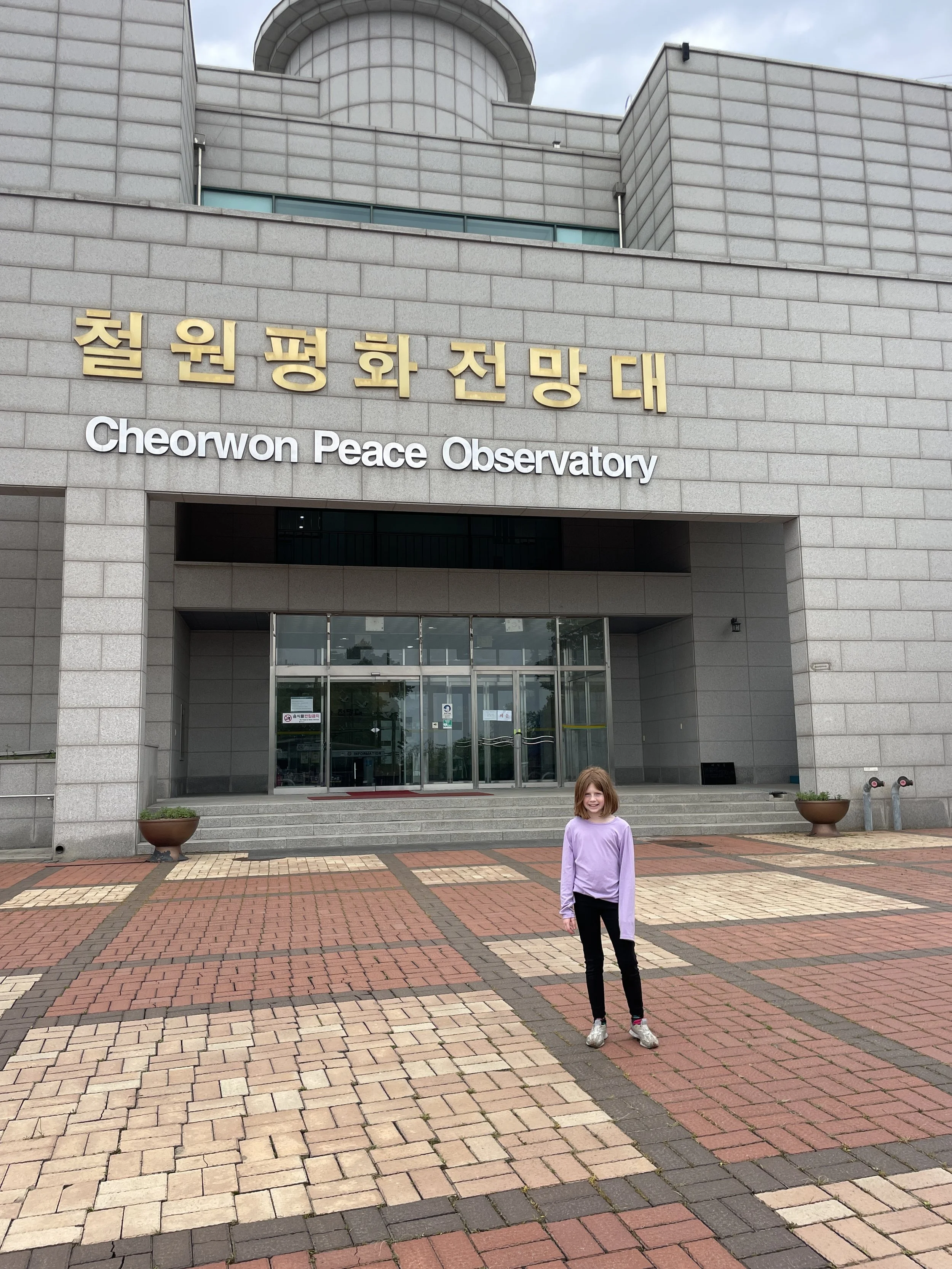
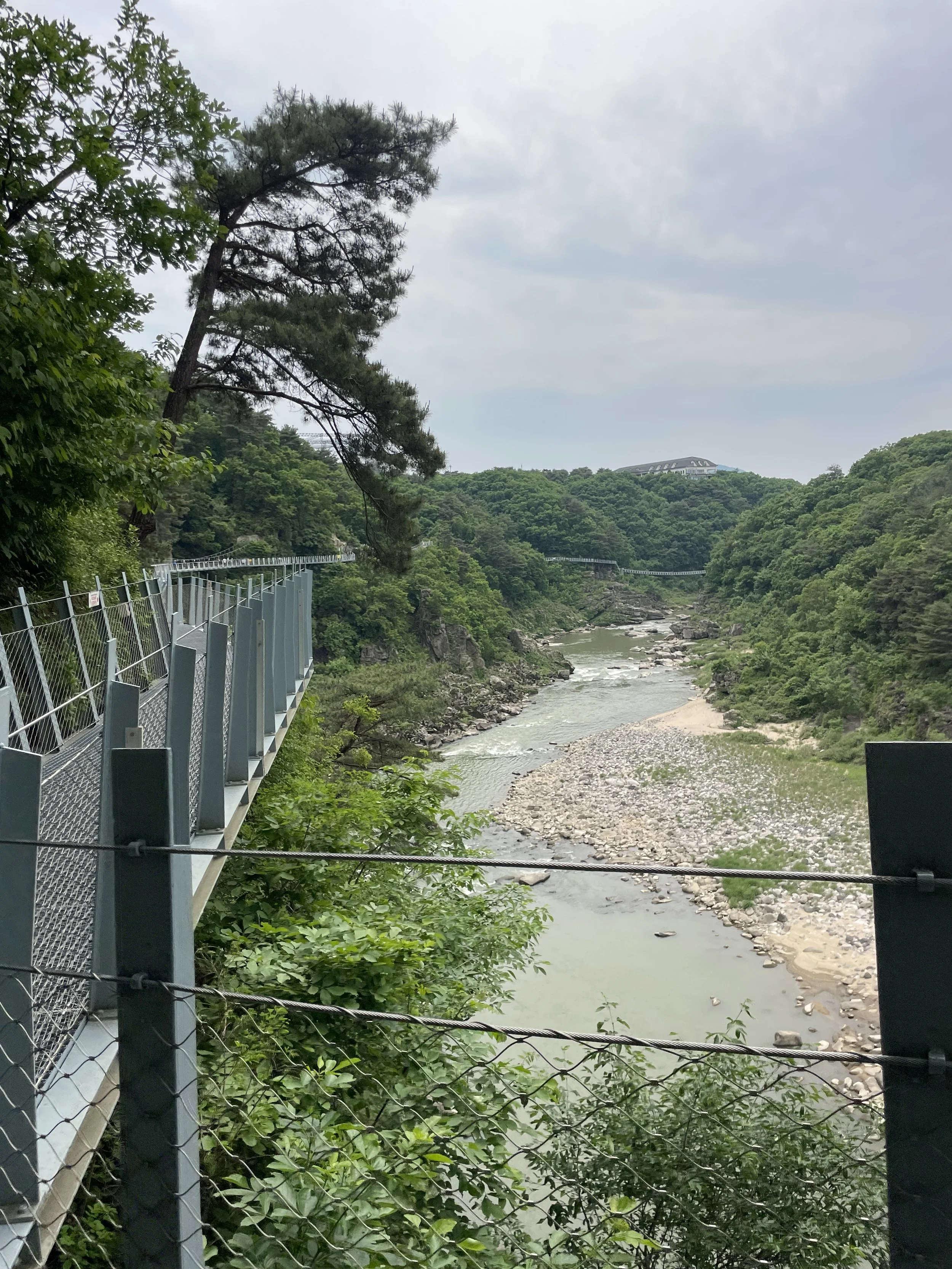
Our family visited the DMZ Tunnel #2 in conjunction with the Cheorwon Peace Observatory and Hantan River Columnar Joint Trail on a day tour offered through Osan Air Base. The combination made for an excellent introduction to the history, scenery, and unique geography of the Cheorwon region.
While the tunnel offers a fascinating look into Korea's Cold War history, the Hantangang River area showcases some of the region's most spectacular natural landscapes. The dramatic volcanic rock formations and cliffside walkways of the Hantangang River Columnar Joint Trail provide a completely different perspective on Cheorwon and make an excellent complement to the area's military history sites.
If you're planning a visit, I highly recommend trying to include both stops!
If you're not affiliated with the military, you'll still have plenty of options for visiting the Second Infiltration Tunnel. While you can drive yourself to Cheorwon, access to the tunnel is only permitted through an official DMZ Peace Tour.
Many tours depart from Seoul and include transportation, admission fees, and an English-speaking guide. Some options to consider include:
DMZ 2nd Tunnel & Y-Shaped Suspension Bridge Tour – Visit the 2nd infiltration tunnel, Peace Observatory, Woljeongri station, Korean Workers' Party Headquarters and Y-shaped suspension bridge for scenic views and its war story
Cheorwon DMZ & 2nd Tunnel Small Group Tour – Discover the history of the Korean War and DMZ on a guided tour from Seoul. Visit Goseokjeong Pavilion, The Second Tunnel, Cheorwon Peace Observatory, Woljeongri Station, and the Labor Party Building.
Whichever tour you choose, be sure to bring your passport, as it is required for entry into DMZ-controlled areas. Tour itineraries can also change due to military operations or security conditions, so it's always a good idea to confirm details before your visit.
FAQ DMZ Tunnel #2
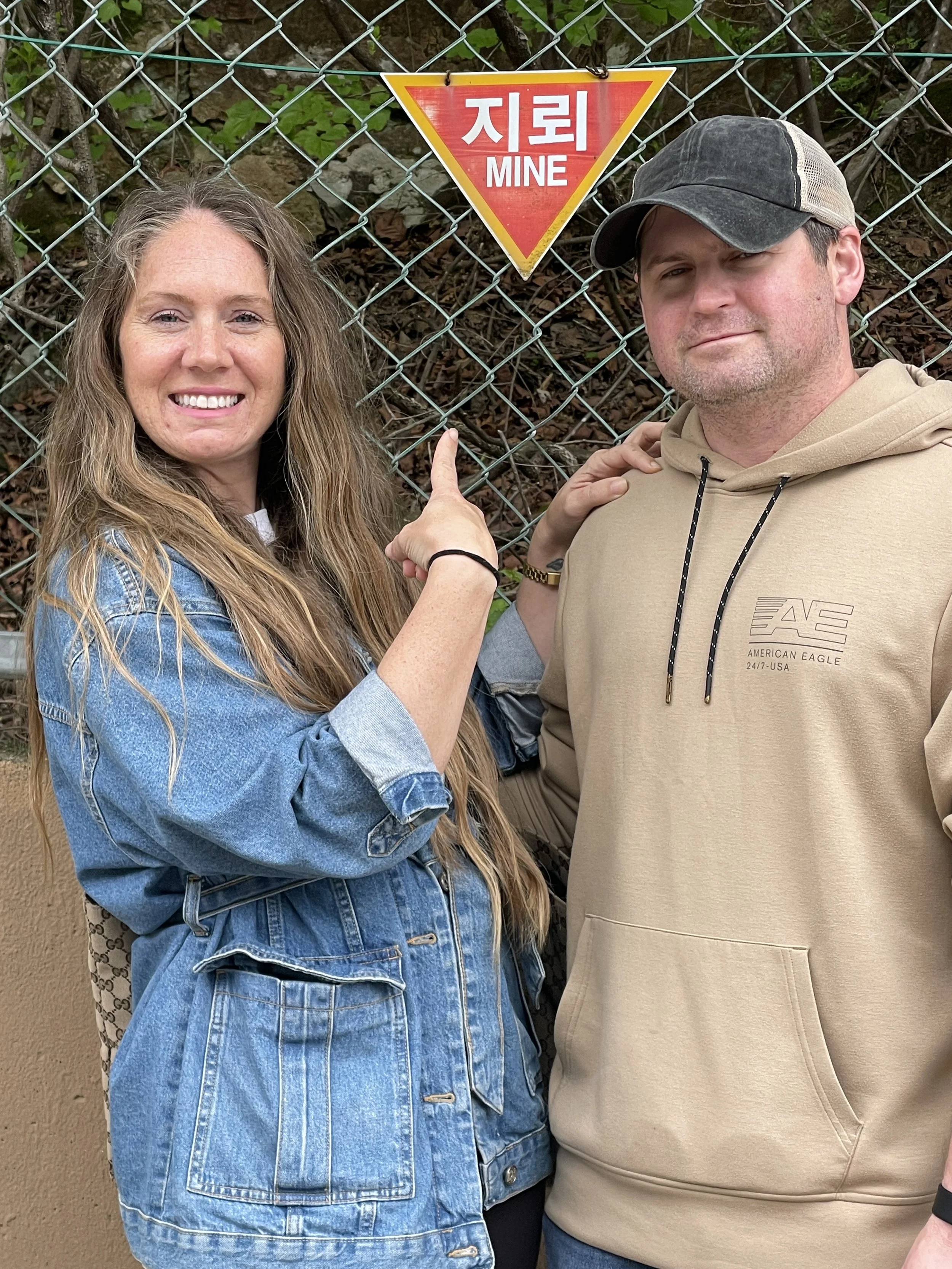
Forever and always <3
Can you visit DMZ Tunnel #2 on your own?
No. While you can drive yourself to Cheorwon, visitors must join an official DMZ Peace Tour to access the Second Infiltration Tunnel and other restricted areas within the DMZ. Individual entry is not permitted.
Do I need to book a tour in advance?
Yes. Since access is only available through authorized tours, it is highly recommended that you reserve your spot in advance, especially during weekends, holidays, and peak travel seasons.
Is DMZ Tunnel #2 easier to visit than Tunnel #3?
Yes. Many visitors find walking inside the Second Infiltration Tunnel significantly easier than the Third Infiltration Tunnel in Paju. The route into the tunnel is less steep and requires less strenuous walking, making it a better option for older travelers and those with limited mobility.
Is DMZ Tunnel #2 wheelchair accessible?
No, in fact none of the tunnels are.
What should I bring when visiting?
A valid passport is required for entry into DMZ-controlled areas. Comfortable walking shoes are also recommended, as the tunnel floor can be uneven and damp.
How long does a visit take?
Most visitors spend approximately 30 to 60 minutes at the Second Infiltration Tunnel itself. However, the tunnel is usually part of a larger Cheorwon DMZ itinerary that can last a full day.
When is DMZ Tunnel #2 closed?
The Second Infiltration Tunnel is closed every Tuesday, as well as on New Year's Day, Children's Day (May 5), Seollal (Lunar New Year's Day), and Chuseok. Tour schedules may also change due to military operations or security conditions.
Is photography allowed inside the tunnel?
Photography policies can change, but photography is generally restricted inside the tunnel and in certain military-controlled areas. Always follow the instructions provided by your guide and military personnel.
Is DMZ Tunnel #2 worth visiting?
Absolutely. The Second Infiltration Tunnel offers a fascinating look into Korea's modern history while being less crowded and physically demanding than some other DMZ attractions.
Are there bathroom facilities nearby?
Yep! There are bathrooms right by the parking lot before walking up to the tunnel entrance.