Around Korea: Museum SAN
Perched high in the mountains of Wonju, Gangwon Province, Museum SAN (Space, Art, Nature) feels less like a museum and more like a quiet retreat.
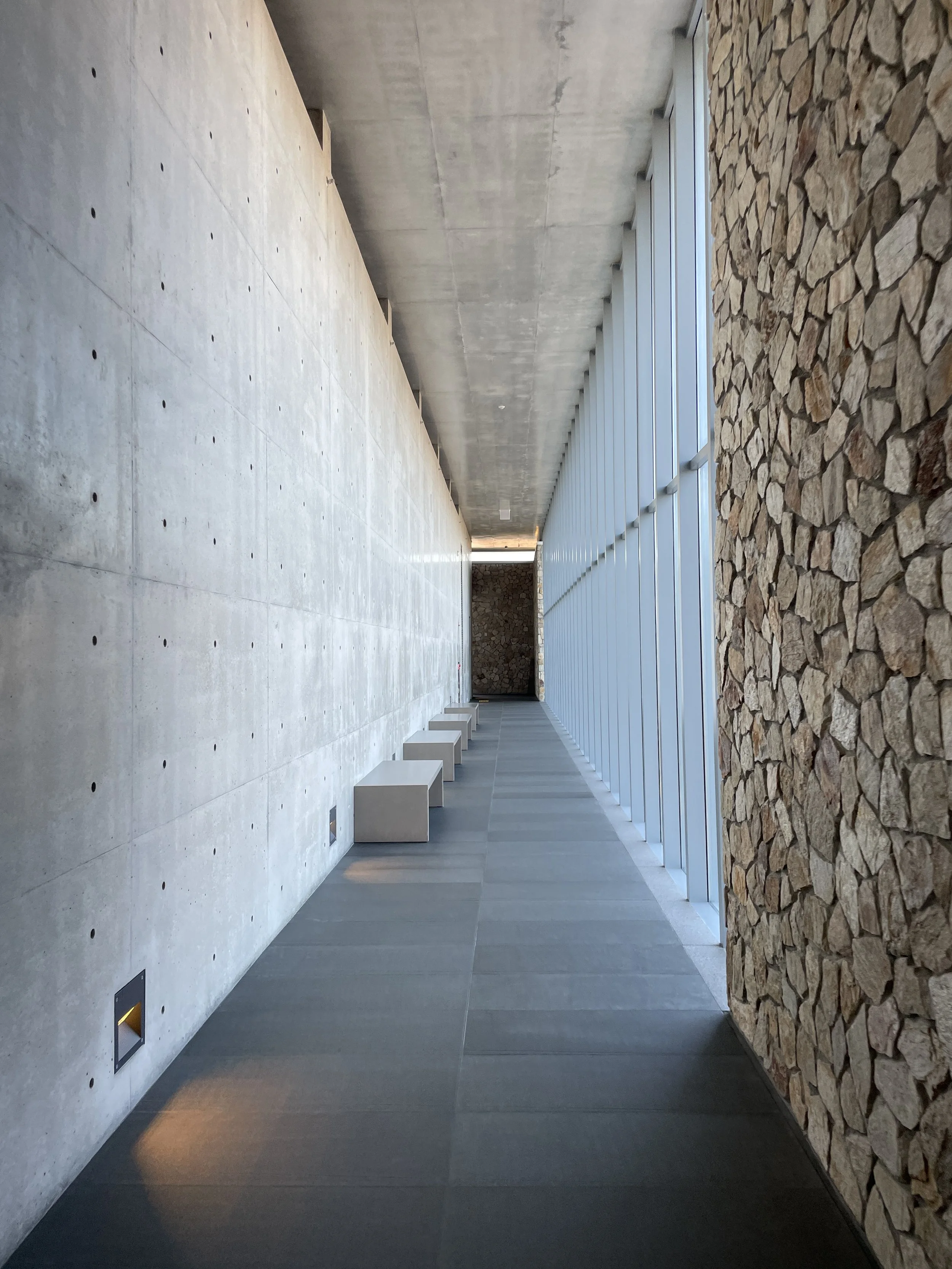
One of the concrete hallways inside Museum SAN in Wonju, South Korea
Designed by legendary architect Tadao Ando, this minimalist masterpiece blends concrete, light, and landscape into one of the most serene cultural experiences in South Korea and belongs on your list of places to see in South Korea.
The Four Gardens That Shape the Outdoor Experience
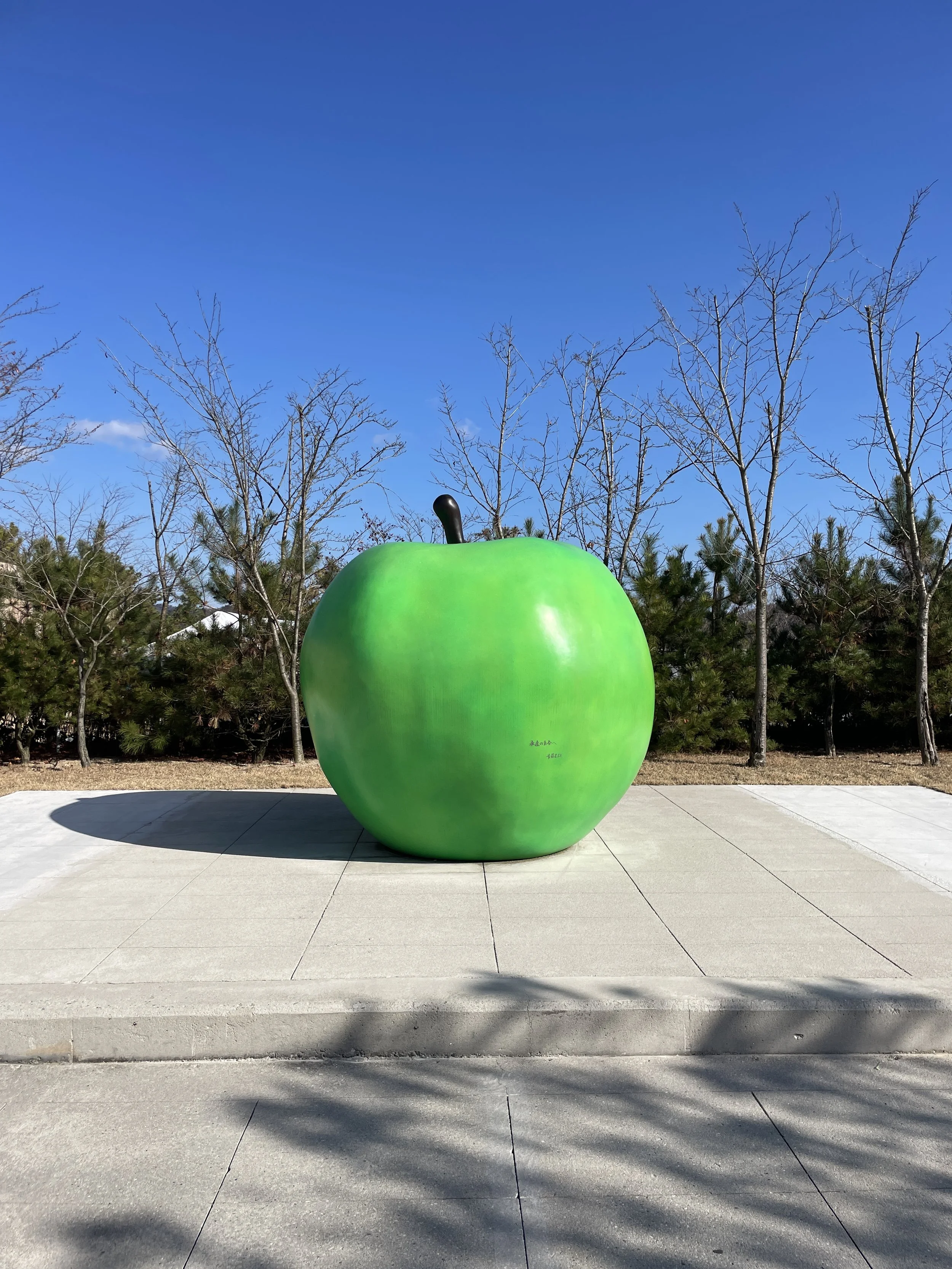
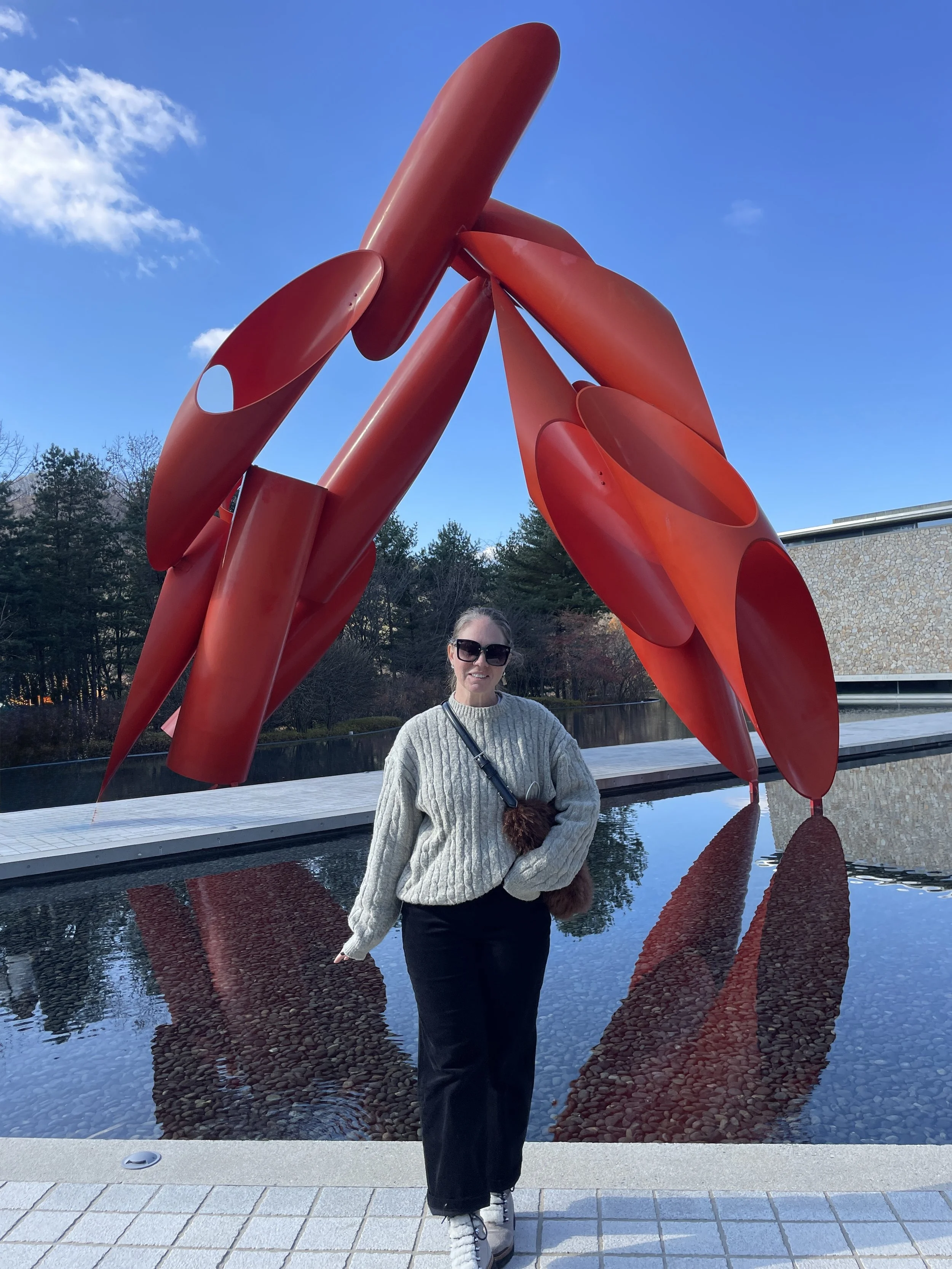
“Youth” by Tadao Ando at Museum SAN
Much of the Museum SAN experience unfolds outdoors, where the landscape is thoughtfully divided into four distinct gardens. Each space offers a different mood and pace, encouraging visitors to move slowly and intentionally between them.
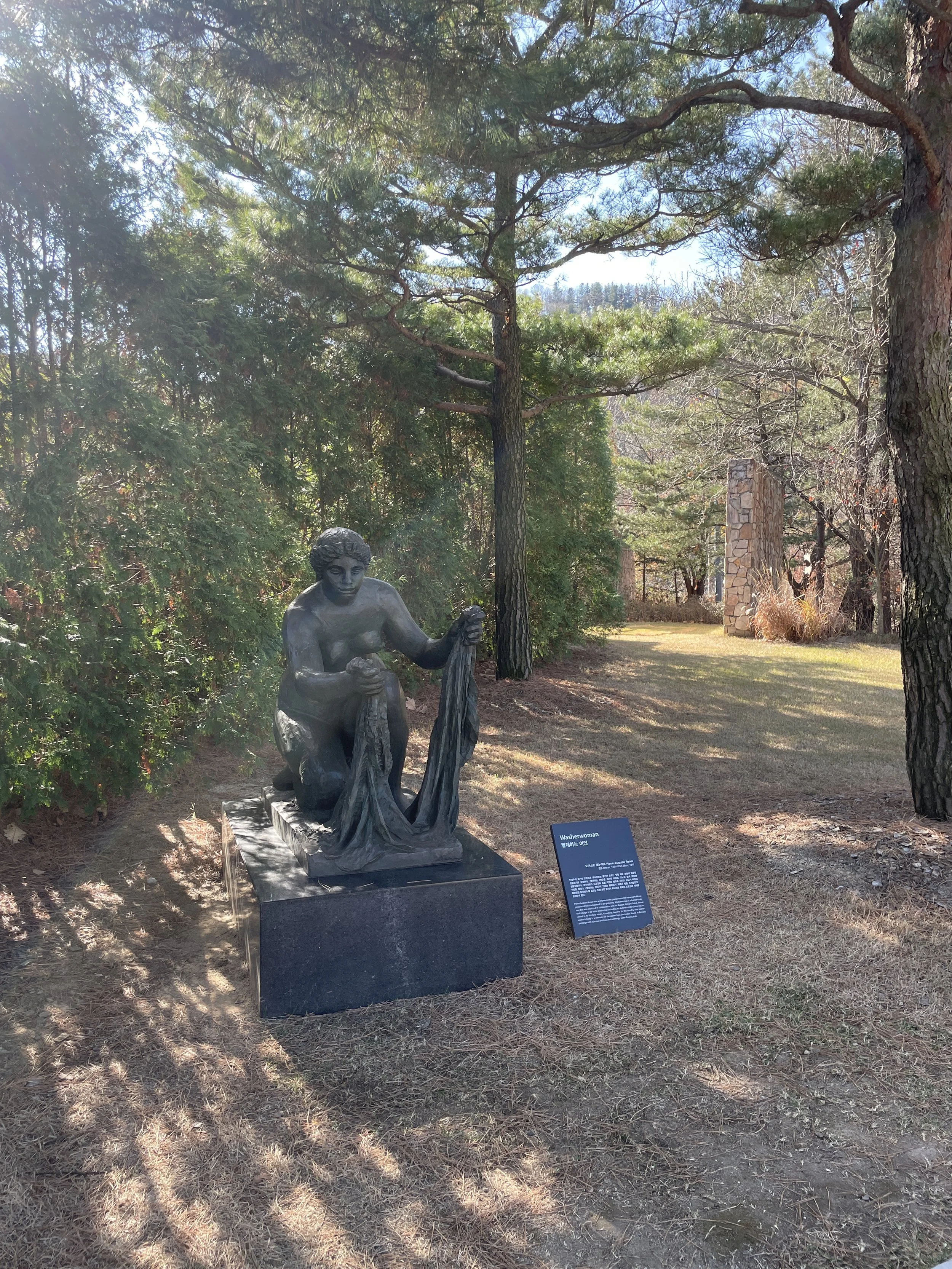
The washerwoman in the Flower Garden at Museum SAN.
The Flower Garden adds seasonal color and softness, while the Sculpture Garden blends contemporary works into the natural surroundings. The Water Garden introduces calm through reflection and sound, and the Stone Garden offers a more minimalist, meditative space that echoes the museum’s architectural philosophy.
Together, these gardens help frame the rhythm of the visit—balancing art, nature, and quiet moments in between.
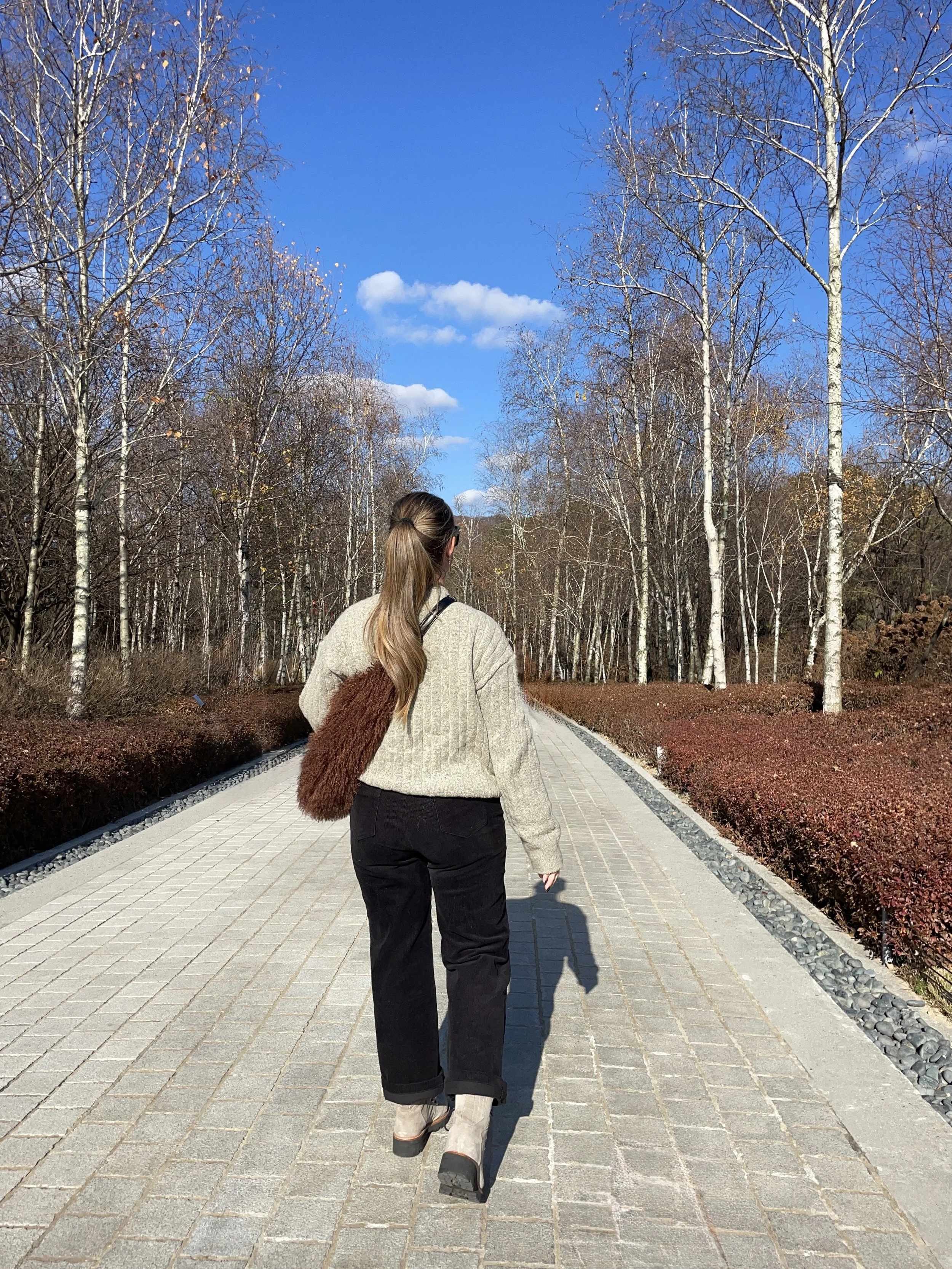
Walking the tree line path from the Flower Garden to the Water Garden at Museum SAN.
Museum SAN is famous for its seamless integration of architecture and nature. Concrete structures frame views of the surrounding mountains, while outdoor gardens, walking paths, and stone gardens guide visitors from one space to the next.
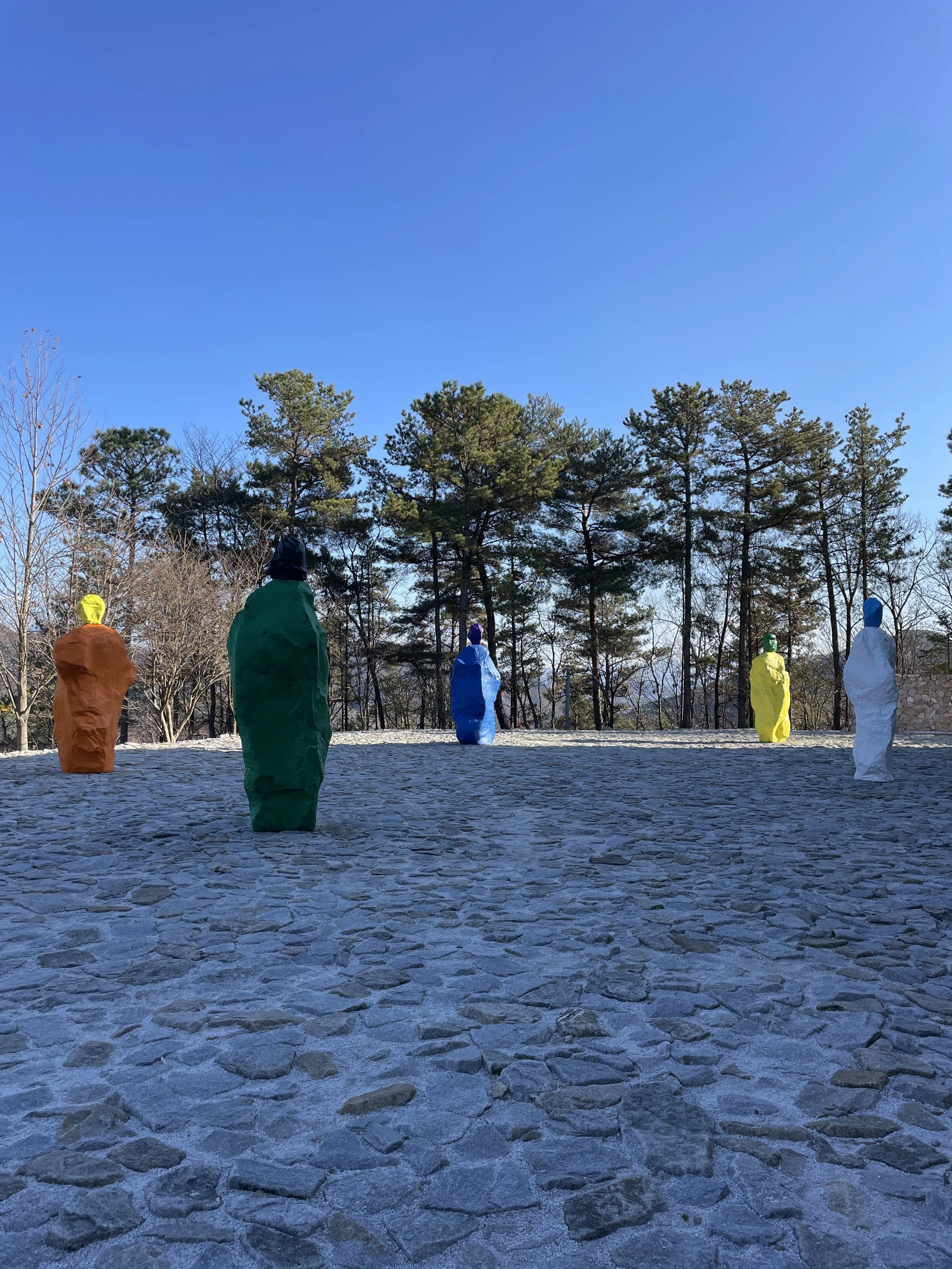
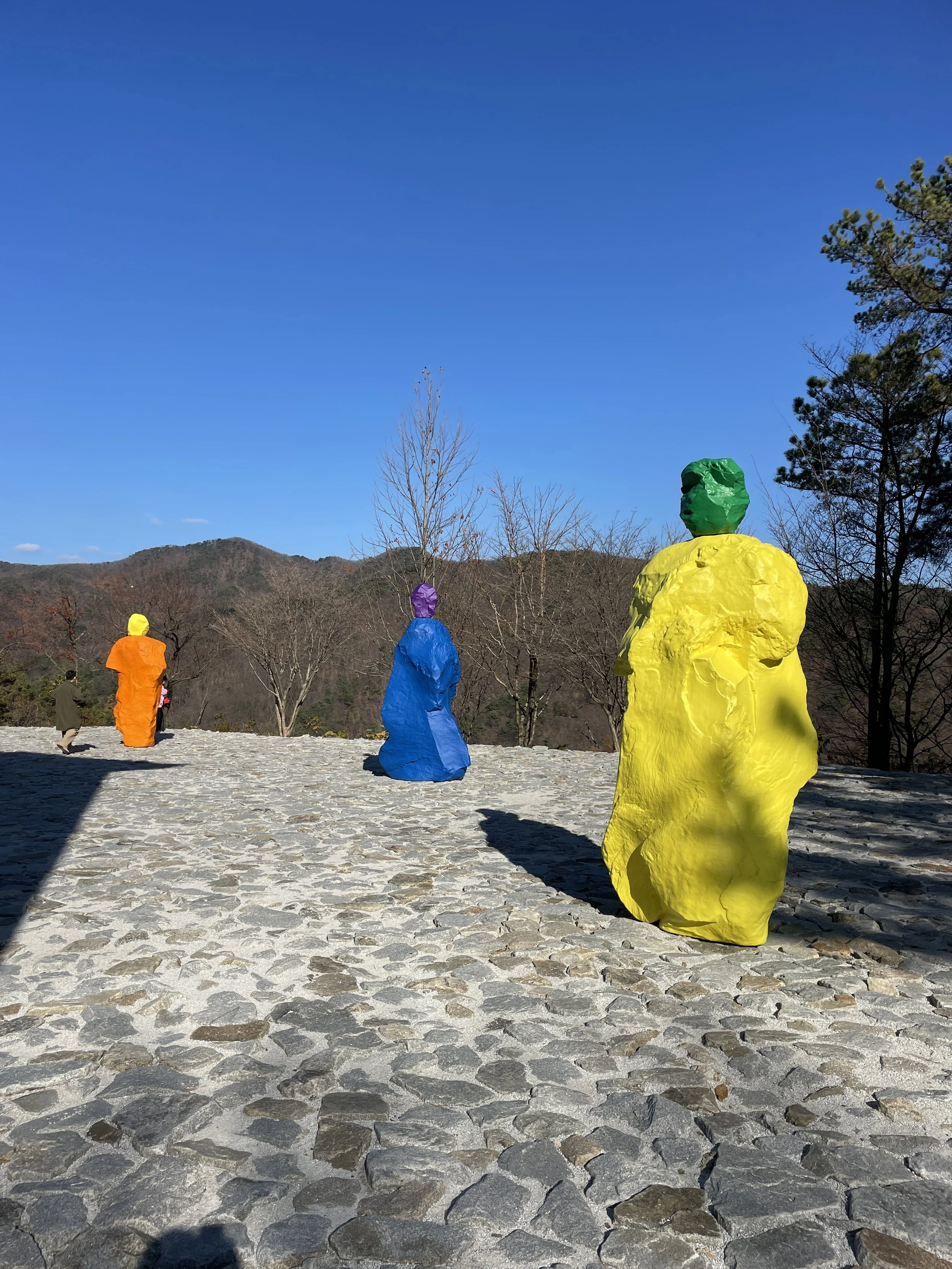
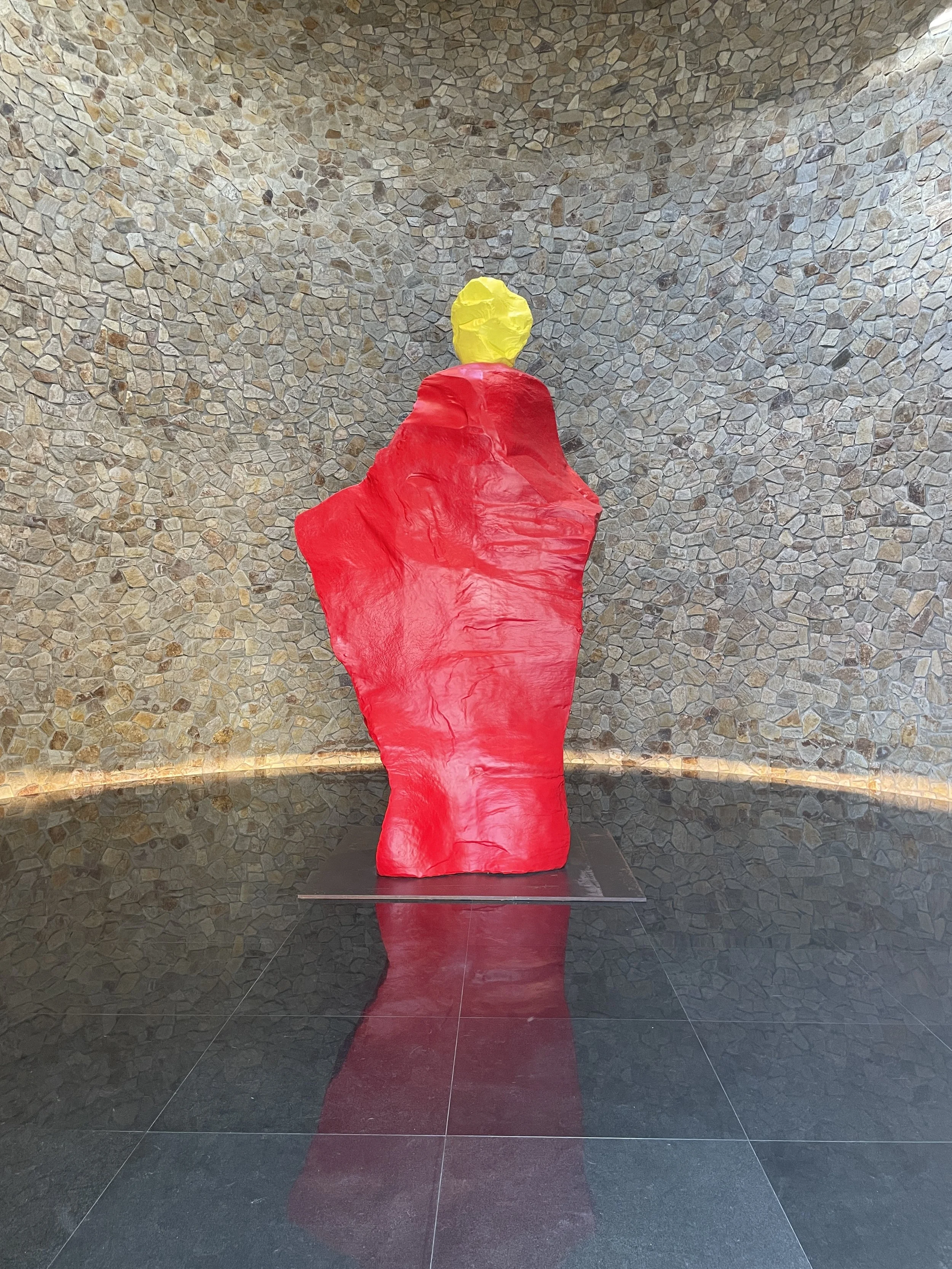
Highlights include:
Contemporary Korean and international art exhibitions
A dedicated Paper Gallery, showcasing the artistic and cultural history of paper
Indoor and outdoor exhibitions connected by nature
Outdoor sculpture gardens and contemplative spaces
Stunning seasonal views, especially in fall
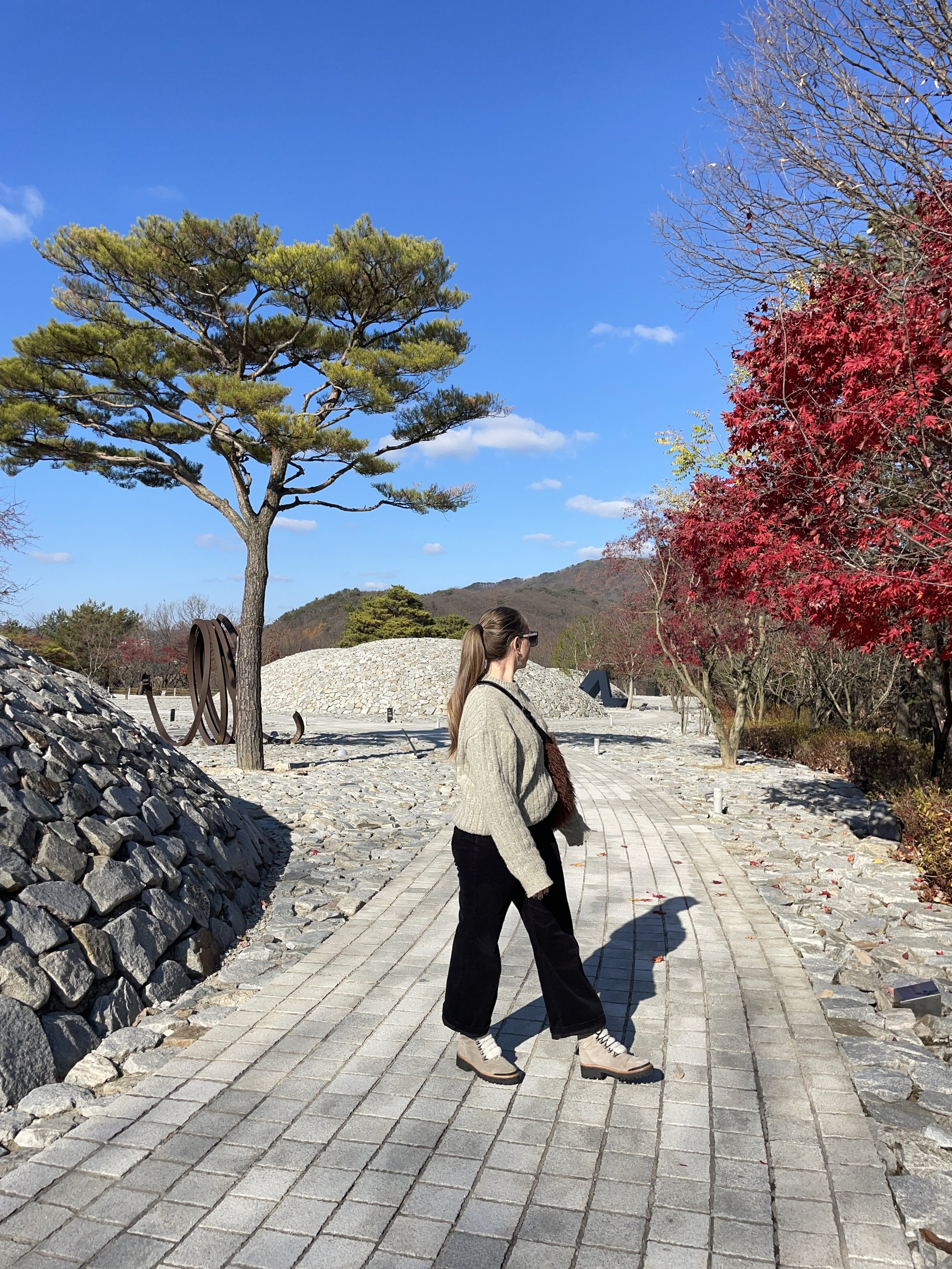
Walking through the stone garden at Museum SAN
This is a destination that appeals equally to art lovers, architecture enthusiasts, photographers, and slow-travel fans.
James Turrell Exhibition: Light as an Experience
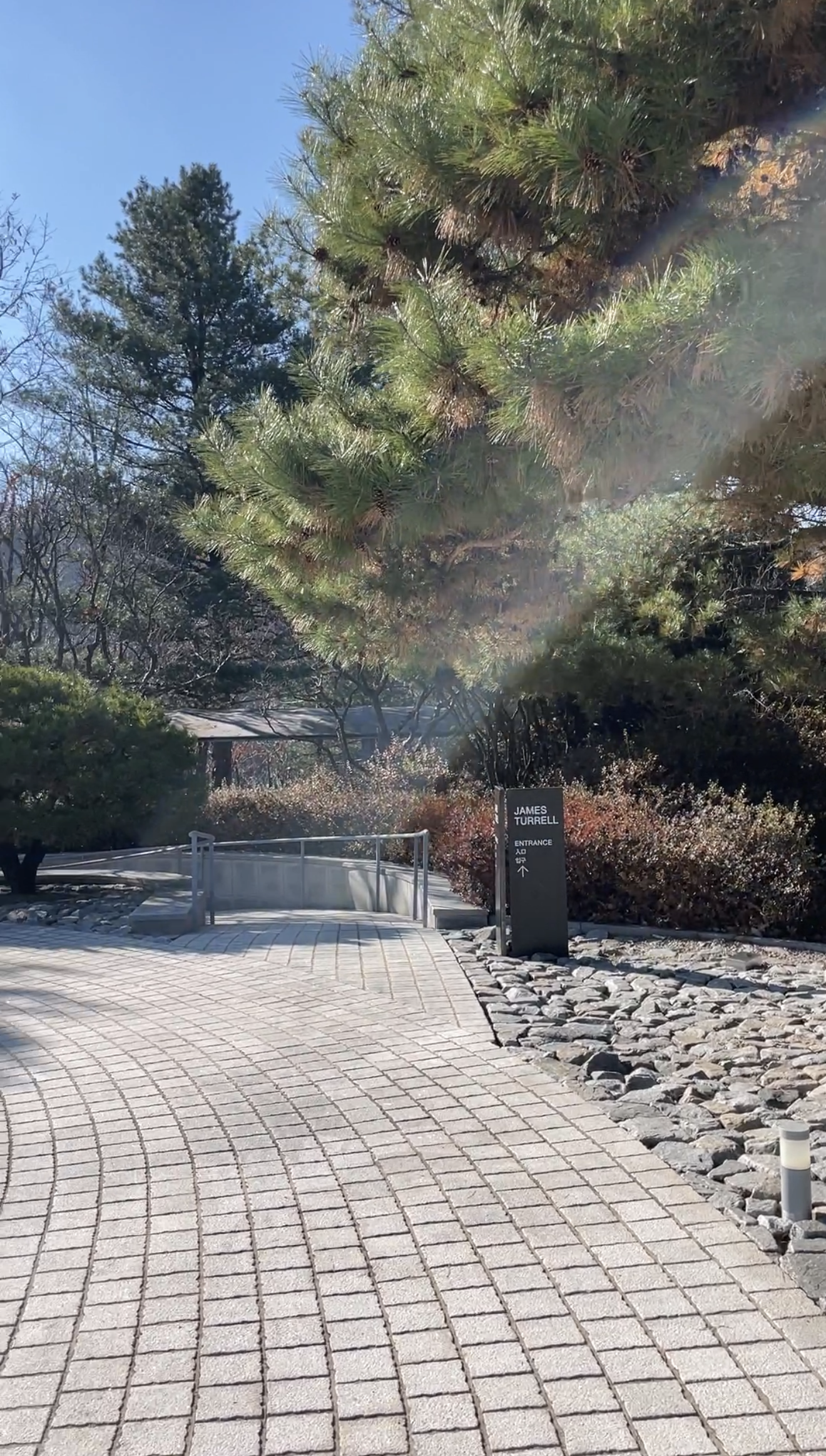
The entrance to the James Turrell exhibition hall
One of Museum SAN’s biggest draws is the James Turrell exhibition hall, featuring immersive light installations by the renowned American artist. These works explore perception, space, and natural light, creating a deeply meditative experience that changes throughout the day. Located behind the stone garden, this exhibit is set away from the main building of the museum, and entry to the James Turrell exhibit requires a separate ticket and timed entry. (Unfortunately, the tour I was invited on did not include admission to the James Turrell exhibit.)
Exhibitions at Museum SAN Change Regularly
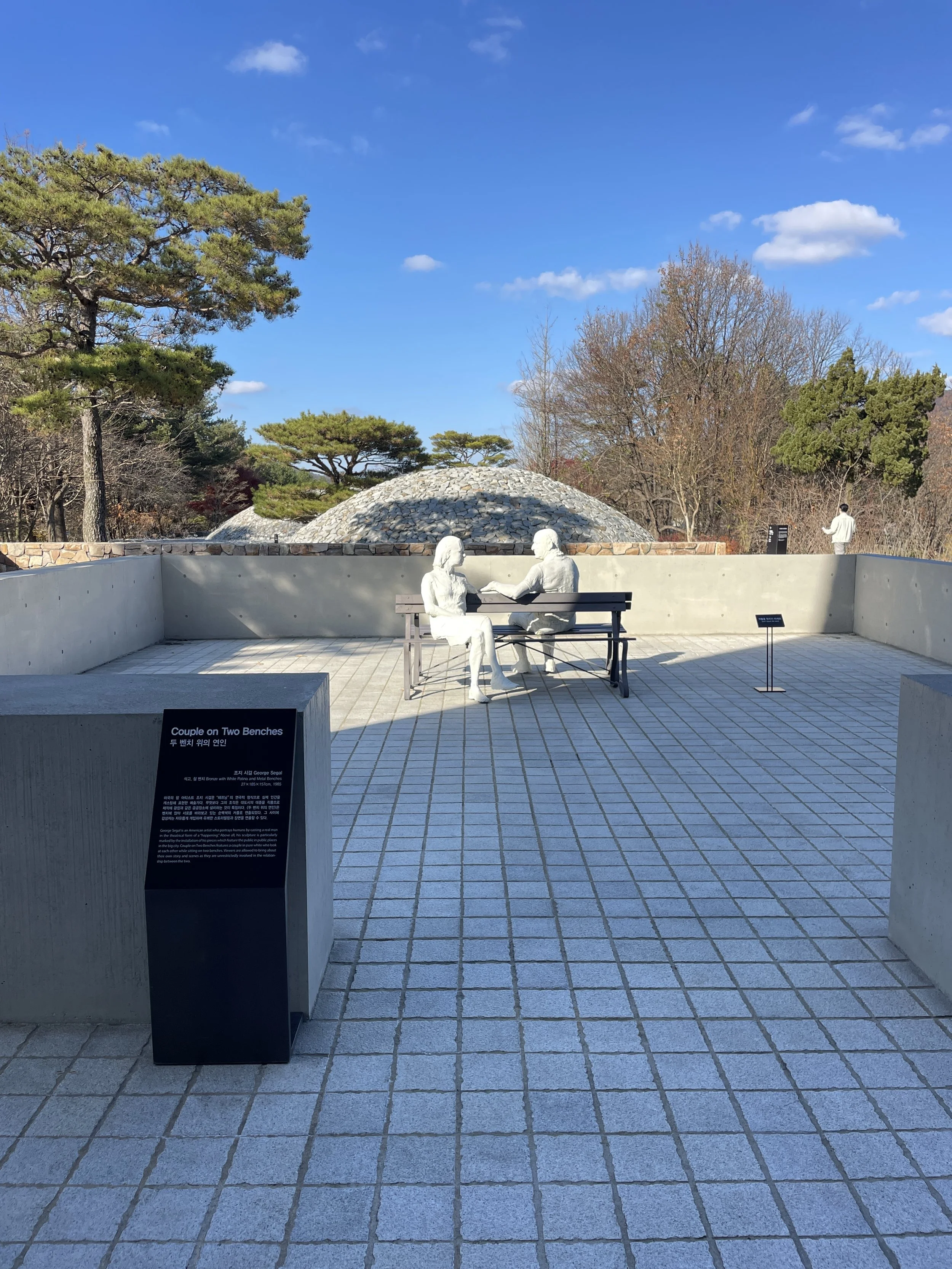
“Couple on Two Benches” in the stone garden at Museum SAN
Museum SAN rotates its exhibitions throughout the year, so no two visits feel exactly the same. Installations and featured artists change regularly, giving visitors a reason to return in different seasons.
During 2024, one of the standout installations was Burn to Shine by Ugo Rondinone, an immersive light-based exhibit that encouraged visitors to slow down and experience the space as it transformed with shifting color and light.
Burn to Shine: A Quiet, Color-Soaked Moment at Museum SAN
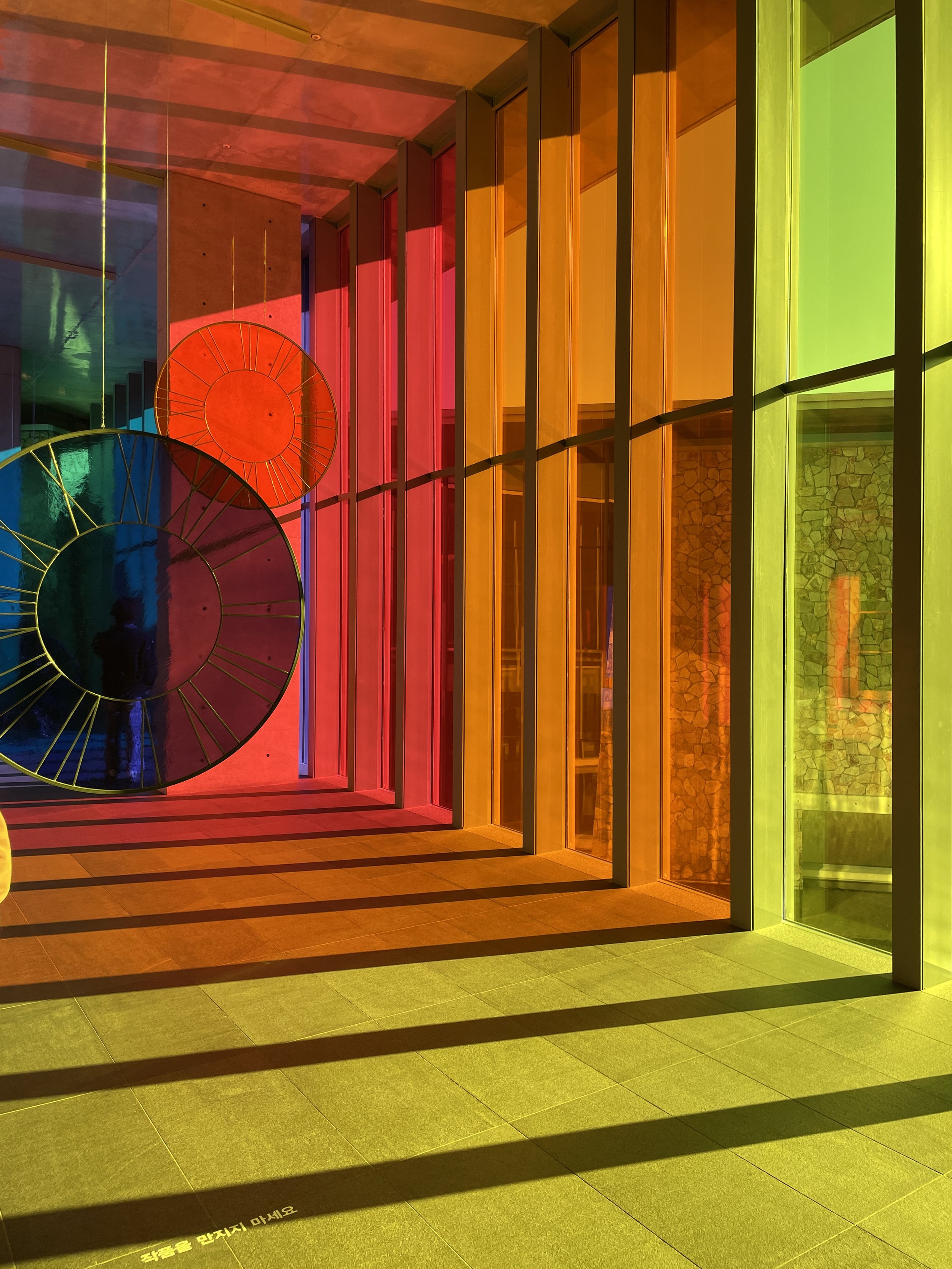
Burn To Shine by Uno Rondinone. One of my favorite exhibits at Museum SAN.
One of the most memorable spaces at Museum SAN for me was Burn to Shine by Ugo Rondinone. It’s the kind of installation that rinvites you to stop and simply observe. As light filtered through the space, the colors slowly shift and overlap, changing the mood of the room minute by minute. This isn’t an exhibit you rush through. I entered this room when no one else was around and enjoyed watching the colors dance around in the quiet. That quiet alone time was fleeting though, because the space quickly filled with children laughing and playing among the light. It was a nice reminder that we all interpret art differently. Edited January 2026, Burn to Shine is no longer the featured art exhibit at Museum SAN. You can view the current art exhibit at Museum SAN here.
Don’t Skip the Café
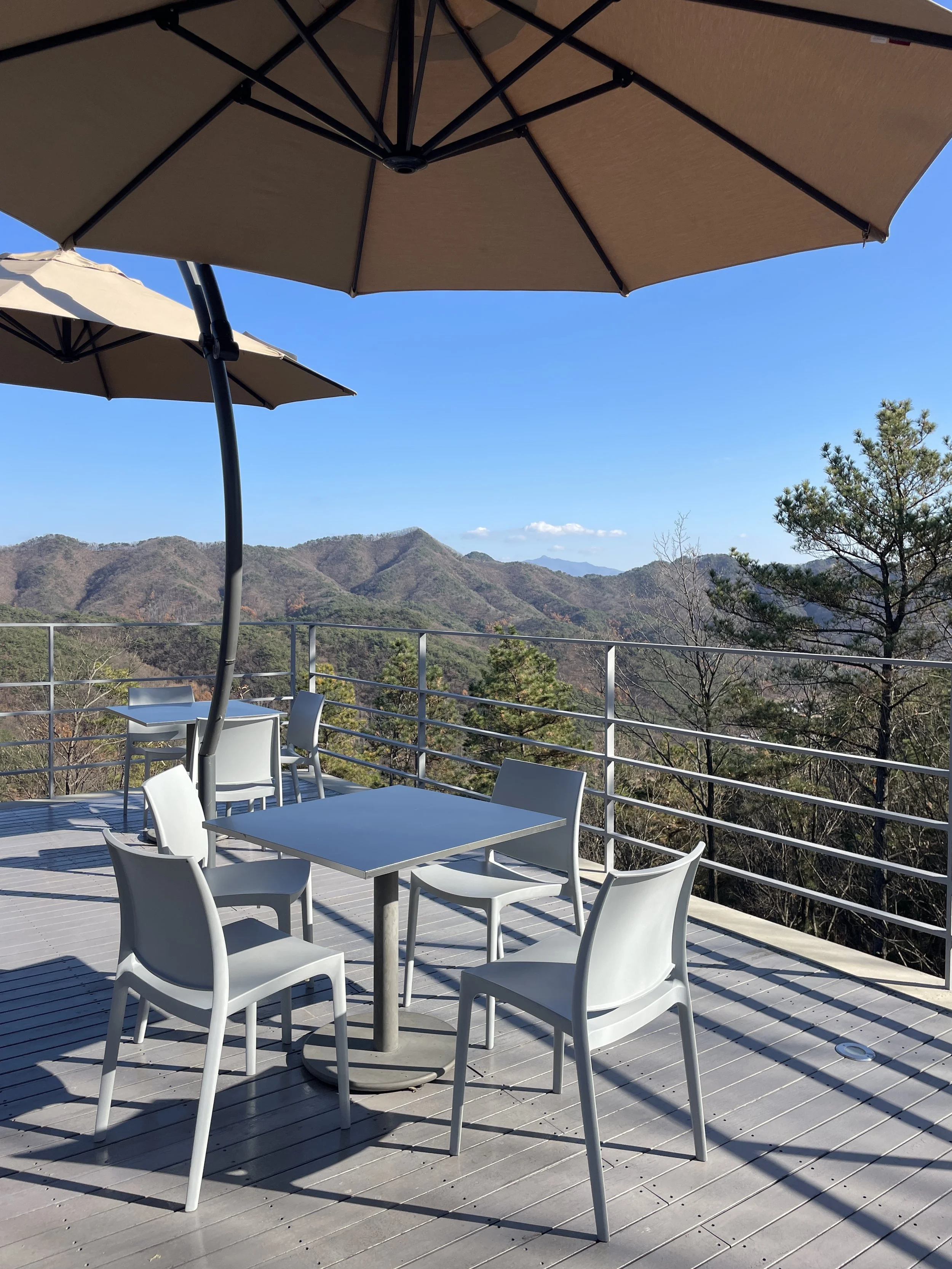
Mountain views from the cafe at Museum SAN in Wonju, South Korea
After wandering through the galleries and installations, the outdoor seating at the Museum SAN café is well worth a pause. With sweeping views of the surrounding mountains and open sky, it’s one of the most peaceful places on the property to simply sit and take it all in.
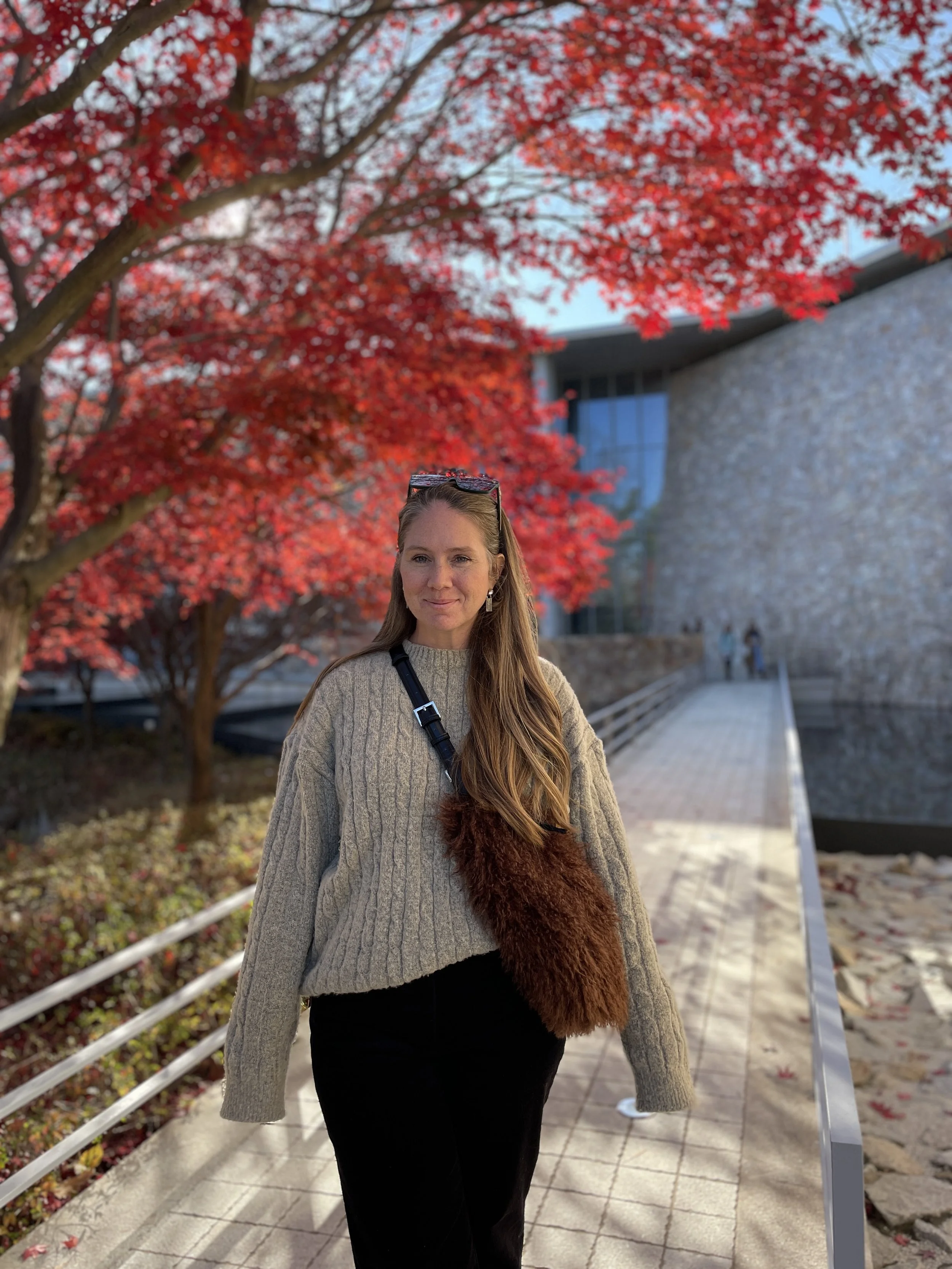
Stunning scenery in autumn at Museum SAN
Order a drink, find a seat outside, and give yourself permission to linger. One of my favorite things about Korea is how you can be surrounded by these stunning, rolling mountains and feel so small. It is so beautiful it almost feels fake.
Museum SAN Visitor Tips
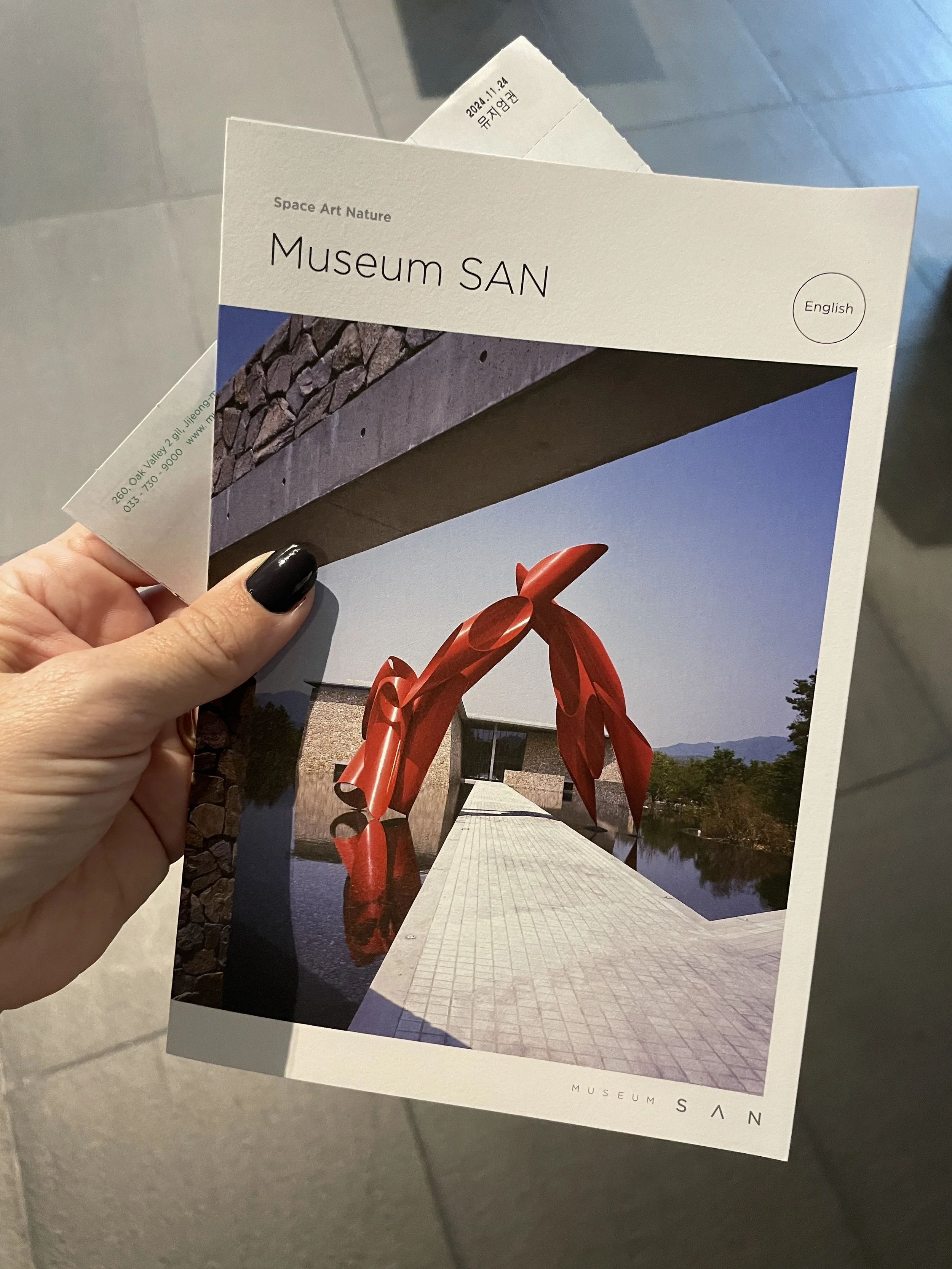
Museum SAN English pamphlet
Plan for 3–4 hours. This is not a quick stop, especially if you want to visit the gardens, exhibitions and cafe.
Wear comfortable shoes. You’ll walk between buildings and on outdoor paths.
Weekdays are best. Weekends and fall foliage season get busy.
Check the weather. Much of the museum is outdoors and clear days offer mountain views. Foggy days can be moody, but can also make the trip feel disappointing. Dress accordingly.
Follow photography rules.
How to Get to Museum SAN
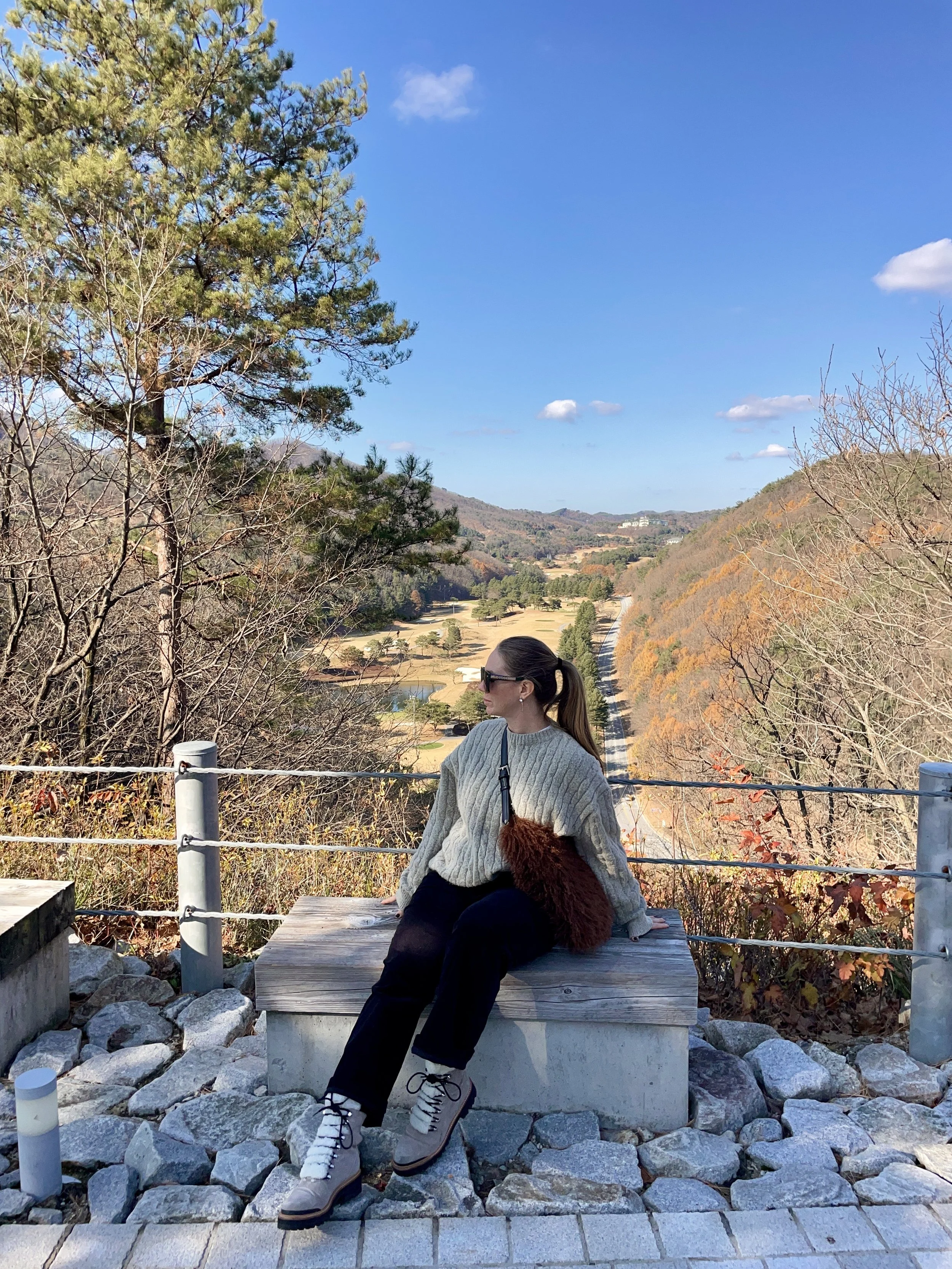
View of Oak Hills Golf Course from the stone garden at Museum SAN
Museum SAN is about 1.5–2 hours from Seoul. Naver pin here!
Address: 강원 원주시 지정면 오크밸리2길 260 뮤지엄산
Driving: Easiest option, with on-site parking free for museum visitors.
Public transit: TRAIN to Wonju Station or Wonju Manjong Station, then taxi OR Wonju City Tour Bus to Museum SAN. BUS to Wonju Intercity Bus Terminal / Express Bus Terminal then Taxi / Wonju City Tour Bus / Oak Valley Resort Shuttle Bus to Museum SAN. Information on the Wonju City Tour Bus here.
Museum Hours: 10:00-18:00 (last admission 17:00); James Turrell exhibit 10:30-17:30; Closed on Mondays.
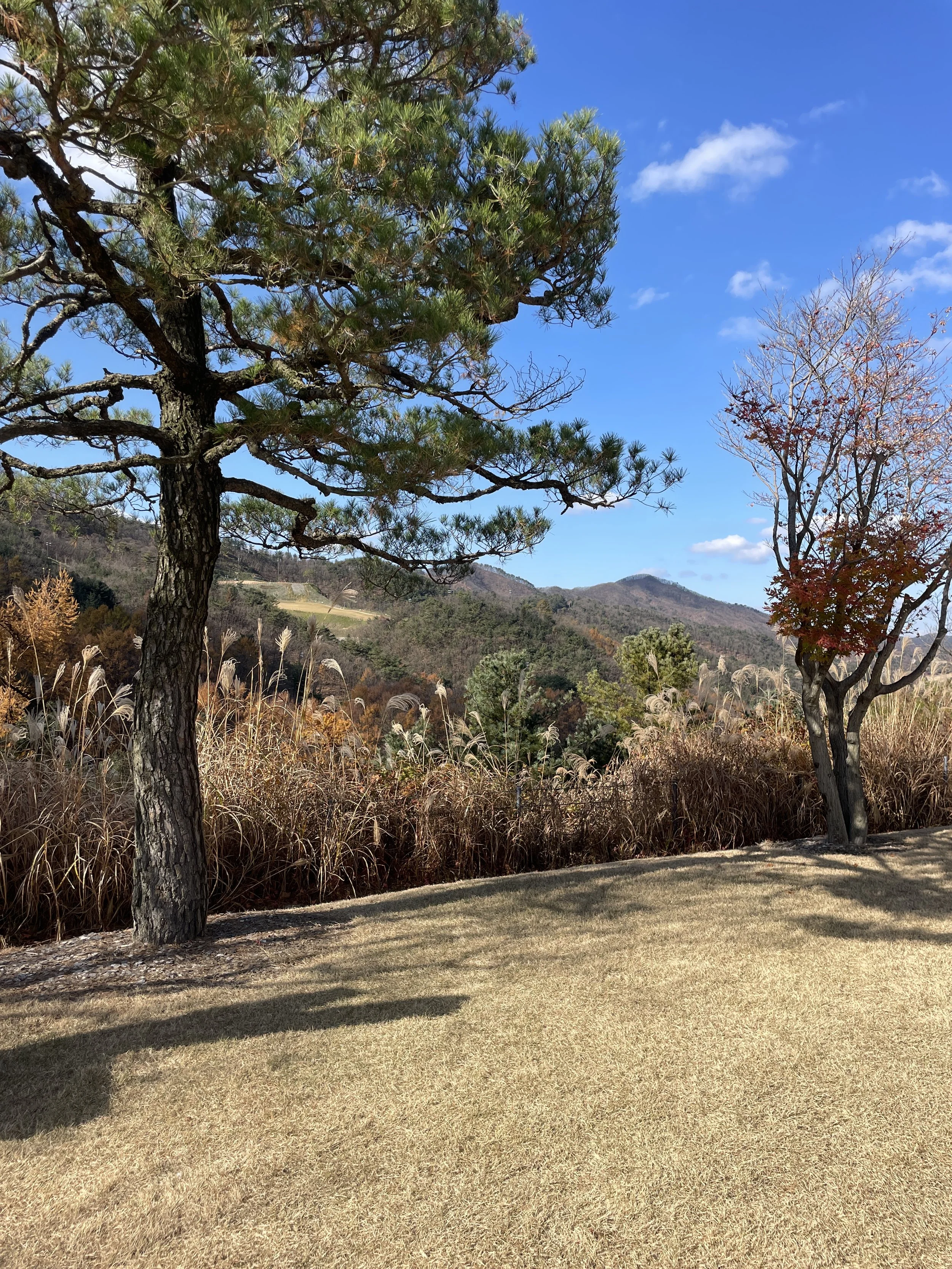
Autumn foliage views at Museum SAN in November
Even though Museum SAN stands for Space, Art, and Nature, it’s not lost on me that “san” in Korean also means mountain. Set among rolling hills and open sky, the museum feels deeply rooted in its surroundings. It’s a place where the landscape isn’t just a backdrop, but an essential part of the experience.